
SparkSwap Crypto Exchange Review: Which Platform Is Real in 2026?
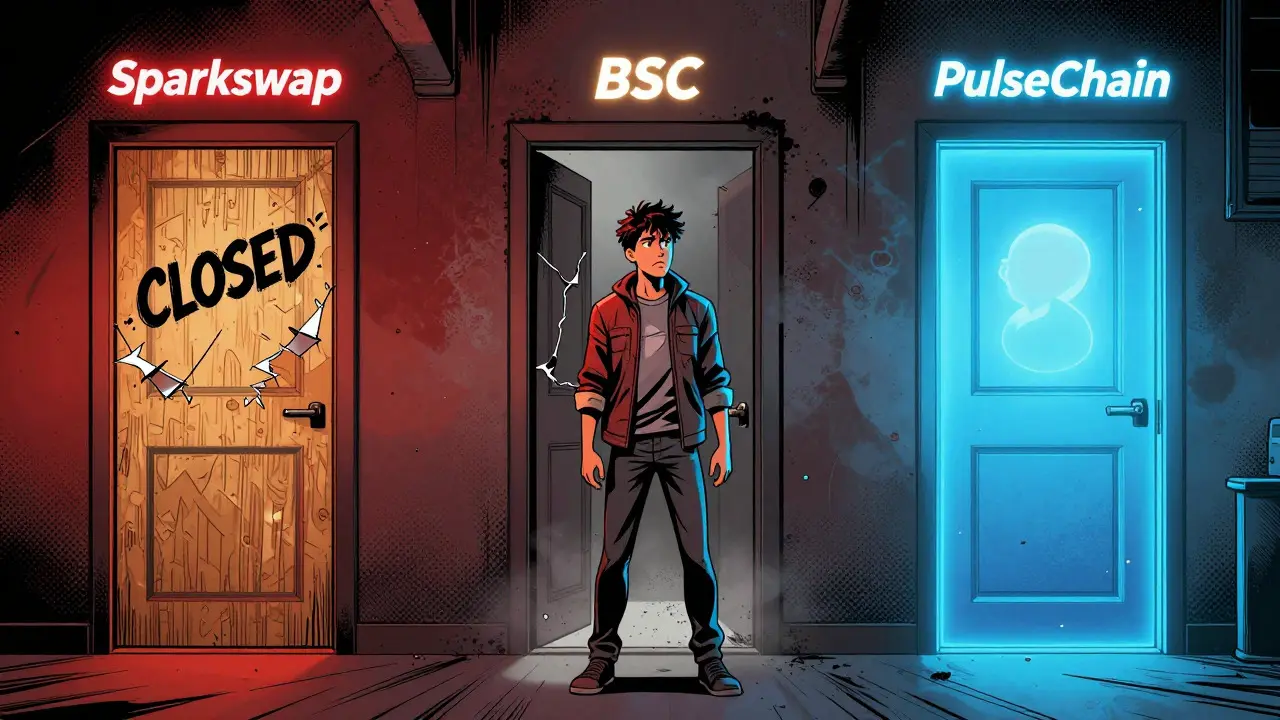
Searching for a "SparkSwap" review can feel like walking into a room with three different people named John. One is gone, one is barely whispering, and the third is shouting about high yields. If you are looking to trade or farm crypto on SparkSwap in 2026, you first need to know which specific platform you are dealing with. Using the wrong one could mean losing your funds to a dead site or getting stuck in a low-liquidity trap.
The name SparkSwap covers at least three distinct entities in the decentralized finance (DeFi) world. There is the original centralized hybrid exchange that shut down in 2023, a Binance Smart Chain (BSC) automated market maker (AMM) that has seen little activity, and an active yield farming protocol on the PulseChain network. This guide breaks down each one so you don't waste time-or money-on the wrong version.
1. The Defunct Original: Sparkswap (Shut Down)
If you find old articles praising Sparkswap's Lightning Network integration, stop reading them. This platform is dead. Founded by Trey Griffith and backed by Polychain Capital, this specific iteration of Sparkswap attempted to bridge the gap between traditional banking and self-custody crypto. It allowed users to deposit fiat currency via partners like AnchorUSD and trade using Bitcoin's Lightning Network.
However, the business model proved unsustainable. In March 2023, the team announced they were shutting down due to an "inadequate number of users." Founder Trey Griffith admitted that their style of self-custody was "too niche" to survive against giants like Coinbase. Trading services terminated on March 24, 2023, and their Lightning nodes went offline shortly after. While user funds in AnchorUSD remained secure, the exchange itself no longer exists. Do not try to sign up here; it will lead nowhere.
2. SparkSwap on Binance Smart Chain (BSC)
The second entity is SparkSwap BSC, developed by SparkPoint Technologies Inc. based in the Philippines. Launched in October 2021, this platform operates as a standard automated market maker on the Binance Smart Chain. It supports tokens like SRK (the native token), SFUEL, and various BEP-20 assets.
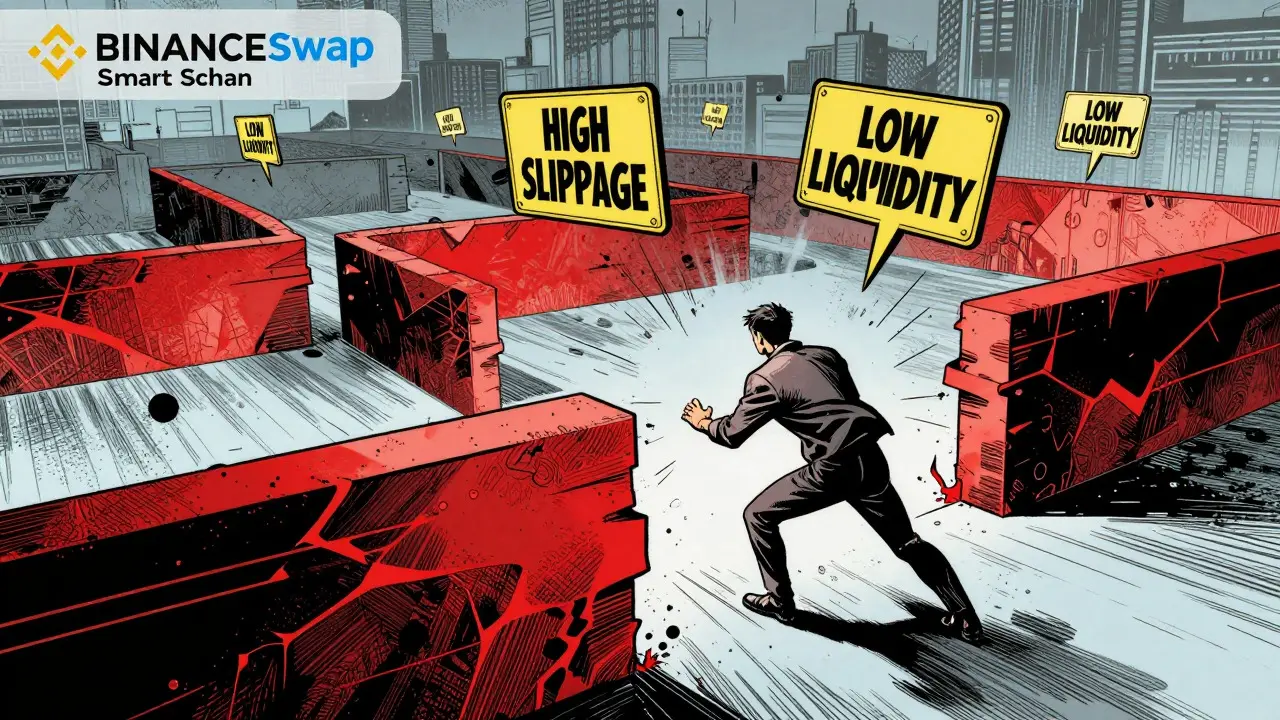
Here is the hard truth: this platform is largely inactive. CoinMarketCap lists it as an "Untracked Listing," meaning there isn't enough trading volume to generate reliable data. As of mid-2023, development momentum had stalled, with GitHub repositories showing no significant updates since late 2022. User reviews from platforms like CryptoSlate highlight frequent transaction failures and high slippage. For example, traders reported needing multiple attempts to swap small amounts of BNB, often facing 15% slippage. Unless you are specifically holding SRK tokens and have no other option, this DEX offers little value compared to established competitors like PancakeSwap.
3. SparkSwap on PulseChain: The Active Yield Farmer
The most relevant version for active DeFi users today is SparkSwap PulseChain. This is a yield farming protocol built on the PulseChain network, created by the team behind EMP Money. Unlike the other two, this platform is actively developed and has a dedicated community.
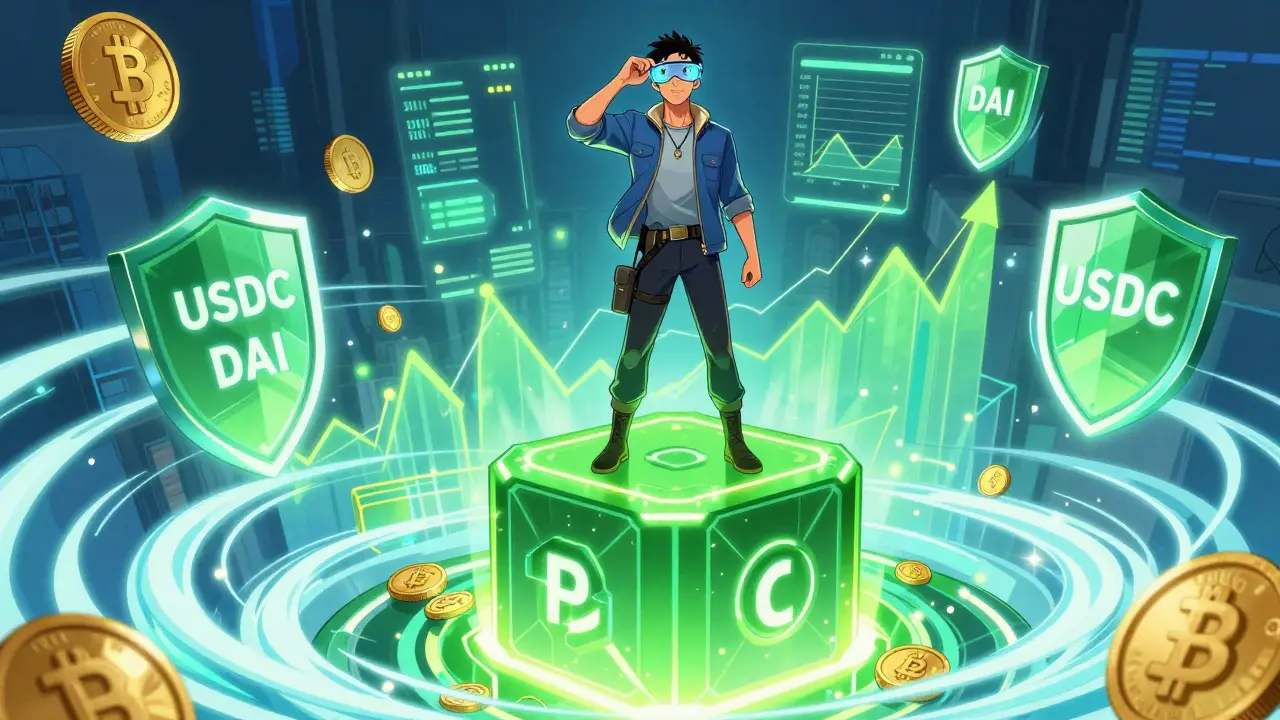
PulseChain is a fork of Ethereum designed for lower fees and higher speed. SparkSwap on this network focuses on stablecoin farming. Technical analyses from 2023 highlighted APRs reaching up to 53% on stablecoin-to-stablecoin pairs (like USDC/DAI). The key selling point here is the lack of impermanent loss risk when farming stablecoins, as their prices remain pegged to each other. However, you must understand that PulseChain is still a smaller ecosystem compared to Ethereum. While it offers low transaction costs (often under $0.01), the total value locked (TVL) is significantly lower, which can sometimes impact liquidity depth during volatile market swings.
| Feature | Original Sparkswap | SparkSwap BSC | SparkSwap PulseChain |
|---|---|---|---|
| Status | Shut Down (2023) | Inactive/Low Volume | Active |
| Network | Bitcoin Lightning | Binance Smart Chain | PulseChain |
| Main Use Case | Fiat On-Ramp (Defunct) | Token Swapping | Yield Farming |
| Risk Level | N/A | High (Low Liquidity) | Medium (Smart Contract Risk) |
| Recommended? | No | No | Yes (For Advanced Users) |
How to Use SparkSwap on PulseChain Safely
If you decide to proceed with the PulseChain version, follow these steps to minimize risk. First, ensure you have a wallet compatible with PulseChain, such as MetaMask configured for the PulseChain network. You will likely need to bridge assets from Ethereum or another chain. Be aware that bridging can take 15-45 minutes and incur fees ranging from $5 to $15 depending on network congestion.
Once your assets are on PulseChain, connect your wallet to the SparkSwap interface. Look for the "Farms" section. Stick to stablecoin pairs if you want to avoid impermanent loss. Always check the current APR before depositing, as yields fluctuate based on liquidity pool sizes. Remember that while the protocol may promise high returns, you should always audit the smart contract status yourself or rely on reputable security firms' reports. Withdrawal fees can also eat into profits, so calculate the net return after accounting for any exit penalties.
Key Risks to Watch Out For
Even the active PulseChain variant carries risks. The primary concern is single-chain dependency. If PulseChain faces technical issues or loses community support, protocols like SparkSwap suffer directly. Additionally, regulatory uncertainty remains a shadow over all DeFi projects. The SEC's ongoing scrutiny of decentralized exchanges means that rules could change overnight, affecting how these platforms operate.
Liquidity risk is another factor. While stablecoin farms offer safety from price volatility, they require deep pools to function efficiently. If too many users withdraw at once, slippage can increase dramatically. Always start with a small amount to test the waters before committing significant capital.
Alternatives to Consider
If SparkSwap doesn't fit your needs, consider these established alternatives:
- Uniswap: The largest DEX on Ethereum, offering deep liquidity but higher gas fees.
- PancakeSwap: The dominant DEX on BSC, perfect if you prefer low fees and a wide variety of tokens.
- Curve Finance: Specialized in stablecoin swaps, offering some of the lowest slippage in the industry.
Is SparkSwap safe to use in 2026?
Only the PulseChain version is currently active and considered relatively safe for experienced DeFi users. The original Sparkswap is shut down, and the BSC version has negligible liquidity. Always verify the URL and contract addresses before connecting your wallet.
Why did the original Sparkswap shut down?
The original Sparkswap closed in March 2023 because it failed to attract enough users to sustain its business model. The founder cited the niche nature of self-custody fiat on-ramps as a key challenge.
What is the difference between SparkSwap BSC and PulseChain?
They are completely different platforms on different blockchains. SparkSwap BSC is an inactive token swapper on Binance Smart Chain. SparkSwap PulseChain is an active yield farming protocol focused on stablecoins on the PulseChain network.
Can I lose money on SparkSwap PulseChain?
Yes. While stablecoin farming reduces impermanent loss, you still face smart contract risks, potential withdrawal fees, and the broader risk of the PulseChain ecosystem failing or being hacked.
Do I need KYC to use SparkSwap?
No. Both the BSC and PulseChain versions are decentralized and do not require Know Your Customer (KYC) verification. The original centralized version did require KYC for fiat deposits, but it is now defunct.

The distinction between these three entities is not merely semantic but ontological, representing a fragmentation of digital trust. We must consider the philosophical implications of a platform that ceases to exist while retaining its name in the collective memory of the market. The original Sparkswap’s demise serves as a cautionary tale about the fragility of centralized hybrid models in an increasingly decentralized world. It forces us to question the very nature of custody and control in financial transactions. One cannot simply rely on the brand recognition of a defunct entity without understanding the underlying mechanics of its successor or imitator. The PulseChain variant offers a different paradigm, one rooted in algorithmic governance rather than corporate oversight. This shift demands a higher level of user diligence and technical literacy from the participant. We are witnessing the evolution of financial instruments into complex code structures that require active interpretation.
Oh honey, please read the article before you start philosophizing about ontology :). The BSC version is basically a ghost town and everyone knows it. I tried swapping there last year and lost half my tokens to slippage because the liquidity was thinner than watered-down soup. Don't let anyone tell you otherwise unless they want your money. Stick to PancakeSwap if you are on BSC, it's not rocket science. The PulseChain one is the only one with actual activity, so stop looking at dead links. It's really that simple. Why do people make this harder than it needs to be? Just check CoinMarketCap like a normal person would do. You don't need a degree to see which one has volume and which one doesn't. Save yourself the headache and avoid the inactive ones. Trust me on this one ;).
they say pulsechain is safe but who really controls the chain? it feels like another centralization trap disguised as freedom. the big tech companies always find a way back in through the backdoor. i dont trust any platform that doesnt have full transparency on every single transaction. the government is watching everything anyway so why bother with crypto at all. maybe just hold physical gold under the mattress like our ancestors did. all this smart contract talk is just buzzwords to confuse the masses. keep your eyes open folks the matrix is tightening its grip on our wallets. dont let them steal your future with these fake yields. stay woke and stay offline if you can.
I feel like we are missing the emotional toll of navigating this fragmented landscape. It is exhausting to constantly verify which version is real when you just want to grow your savings. My heart breaks for those who lost funds on the original site thinking it was still operational. We need more empathy in these discussions, not just cold hard data. Please remember that behind every wallet address is a human being trying to secure their financial future. Let us support each other in making informed decisions without judgment. The community should be a safe space for learning, not a battlefield for ego. Take a deep breath and read the risks carefully before you dive in. Your peace of mind is worth more than any potential yield. Be kind to yourselves out there.
It is interesting how the ecosystem has evolved since 2023. While some platforms have faded away, others have found their niche in specific networks like PulseChain. I think it is important to acknowledge that risk is inherent in all DeFi ventures, regardless of the platform. The key is diversification and continuous education. Perhaps we can learn from the mistakes of the past to build a more resilient future. Every failure teaches us something valuable about market dynamics and user behavior. Let us approach this with an open mind and a willingness to adapt. There is room for multiple solutions to coexist if they serve different needs. We should encourage innovation while maintaining healthy skepticism. Together we can navigate these complexities with greater confidence.
I have been following the PulseChain development closely and it is truly remarkable to see the growth. The stability of the stablecoin pairs provides a sense of security that is rare in this volatile market. However, we must remain vigilant about the smart contract risks mentioned in the post. It is crucial to audit the code ourselves or rely on trusted third-party verifications. The community here is incredibly supportive and eager to help newcomers understand the nuances. I believe that transparency is the cornerstone of trust in decentralized finance. Let us continue to share our experiences and insights openly. Your journey in DeFi is unique and deserves respect. Keep exploring and never stop asking questions.
The technical details provided in the review are accurate and well-researched. It is refreshing to see a clear breakdown of the differences between the various iterations of SparkSwap. The emphasis on verifying URLs and contract addresses is particularly important given the prevalence of phishing attempts. Users should always double-check the network settings in their wallets before connecting. Bridging assets requires patience due to the varying confirmation times across chains. Understanding the fee structure is essential for calculating net returns accurately. The comparison table serves as an excellent quick reference for decision-making. This information empowers users to take control of their financial destinies. Precision and attention to detail will always pay off in crypto trading.
omg this is so confusing lol i just want to farm some yield without losing my shirt. the pulsechain one seems cool but am i doing it right? i bridged my eth and now im waiting forever for it to show up. is this normal? hope i didnt get scammed already. pls help me understand what next step is. also the fees are kinda high compared to what i expected. but hey at least its cheaper than ethereum mainnet right? :) thanks for the info guys really appreciate it. just wish it was simpler tbh.
the cosmic dance of liquidity pools reveals the true essence of value creation in the digital ether. sparkswap pulsechain is not merely a protocol but a manifestation of collective consciousness seeking financial harmony. the impermanent loss is but a shadow cast by the light of decentralization. we must embrace the chaos of the market to find our inner balance. the tokens flow like rivers of karma through the blockchain veins. ignore the skeptics who fear the unknown depths of defi. they are blind to the beauty of algorithmic truth. join the revolution and let your capital bloom in the garden of pulse. enlightenment awaits those who dare to stake their soul.
Hey everyone! 👋 Just wanted to chime in with a friendly reminder to always DYOR. The PulseChain ecosystem is growing fast and it is exciting to be part of it. 🚀 Make sure you connect with the right community channels to stay updated on any changes. Safety first always! 🛡️ Happy farming to all the newbies out there. Let us help each other succeed in this journey. 💪✨