How Social Tokens Transform Fan Engagement: A Guide to Web3 Loyalty
Remember when being a "superfan" meant buying the same jersey for ten years and hoping you got a nod from your favorite player? Those days are fading fast. Today, fans don't just watch; they participate. They vote. They access private channels. They even hold a piece of the community's digital identity. This shift isn't driven by better marketing emails or flashier social media posts. It's powered by social tokens, blockchain-based assets that are rewriting the rules of how creators, sports teams, and brands connect with their audiences.
In 2026, more than 60% of web3 communities offer gated content or early access to superfans. That’s not a niche experiment anymore. It’s the new standard for deep engagement. But what exactly are these tokens? Why do they work where traditional loyalty programs fail? And how can you actually use them without getting lost in crypto jargon?
What Are Social Tokens (And How Do They Differ From Crypto?)
Let’s clear up the confusion first. Social tokens are not Bitcoin. You won’t get rich trading them like day-traders hope with Ethereum. Instead, think of them as membership cards with superpowers.
Social tokens are digital assets issued by creators, artists, or organizations that represent membership, influence, or value within a specific community. They function on blockchain networks-usually Ethereum, Solana, or Polygon-to ensure transparency, scarcity, and transferability.
Unlike traditional loyalty points (which expire, can’t be traded, and have no real-world value), social tokens:
- Are owned by you, not locked in a corporate database.
- Can be bought, sold, or traded on secondary markets.
- Derive value from community demand and creator activity, not arbitrary corporate metrics.
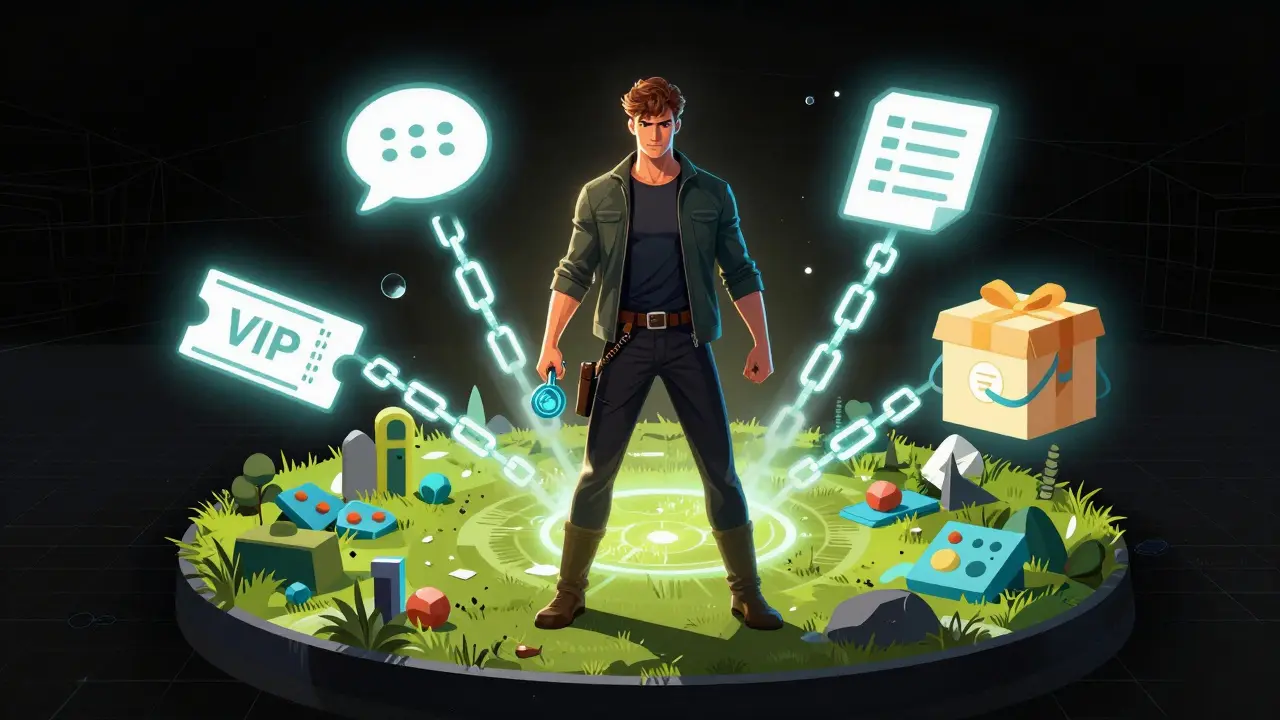
- Offer tangible perks: voting rights, exclusive content, event access, and direct interaction.
For example, a musician might issue 10,000 tokens. Each token gives holders access to a private Discord server, early ticket sales, and the right to vote on album artwork. If the artist drops a hit single, demand for those tokens spikes. Holders benefit-not just emotionally, but financially if they choose to sell.
Why Traditional Fan Engagement Is Broken
Think about the last time a brand sent you a "loyalty reward." Was it exciting? Or was it another 5% off coupon buried in an email you deleted without reading?
Traditional loyalty programs are transactional. You buy stuff, you get points, you redeem points for small discounts. There’s no emotional connection. No sense of ownership. No voice. Fans feel like customers, not community members.
Social tokens flip this model. They turn passive consumers into active stakeholders. When you hold a fan token, you’re not just supporting a team or artist-you’re part of their ecosystem. Your voice matters. Your presence is recognized. Your loyalty is rewarded with real utility, not empty promises.
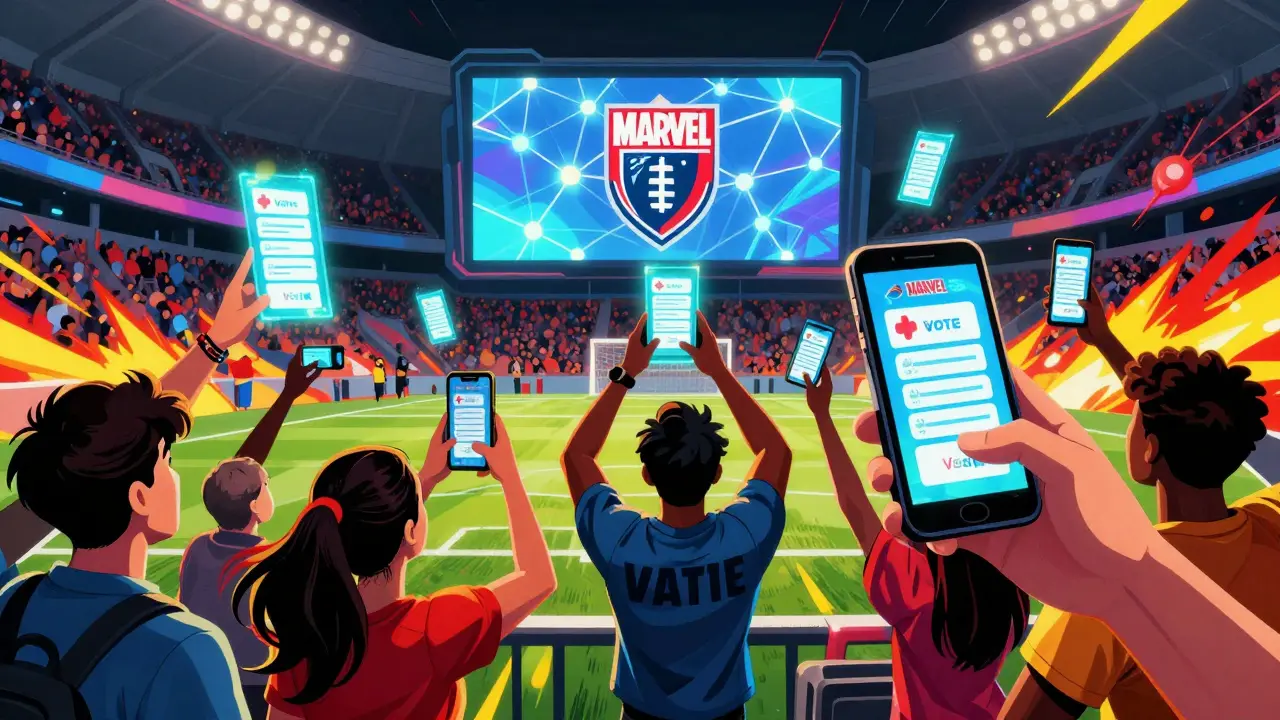
This shift is especially powerful in sports. Teams like FC Barcelona, Juventus, and Manchester City launched fan tokens years ago. Fans use them to vote on stadium music, choose charity partners, or even suggest jersey designs. These aren’t binding decisions-but they make fans feel heard. And that feeling drives deeper, longer-lasting engagement.
How Social Tokens Work in Practice
You don’t need to be a tech wizard to use social tokens. Here’s how it typically works:
- Acquire Tokens: Buy them directly from the creator’s platform, earn them through engagement (like attending events or sharing content), or purchase them on secondary marketplaces like Socios.com or Rally.
- Store Them: Keep them in a compatible crypto wallet (MetaMask, Phantom, etc.). Most platforms handle this seamlessly now.
- Use Them: Vote on polls, unlock exclusive content, enter raffles, or trade them if you want to exit.
The beauty is in the simplicity. The blockchain handles the heavy lifting-verifying ownership, preventing fraud, ensuring transparency. You just enjoy the perks.
Take a fashion brand launching a limited-edition collection. Token holders get first dibs on purchasing items, plus access to behind-the-scenes design videos. Non-holders wait weeks for public release. That exclusivity drives urgency and loyalty.
Real-World Examples: Who’s Using Social Tokens Successfully?
Let’s look at actual cases where social tokens transformed fan relationships:
| Creator/Organization | Token Name | Key Perks | Impact |
|---|---|---|---|
| FC Barcelona | BAR Token | Voting on club decisions, exclusive content, merchandise discounts | Over 1 million token holders; increased fan interaction by 40% |
| Grimes (Music Artist) | Grimes NFTs/Tokens | Access to private chats, virtual meetups, future revenue share | Raised $5.8M in 20 minutes; created dedicated superfan community |
| Adidas (Fashion Brand) | Adidas Creator Club | Early product access, co-design opportunities, exclusive drops | Boosted Gen Z engagement; drove secondary market trading volume |
| MrBeast (YouTuber) | Feastables Community Tokens | Voting on flavors, exclusive merch, charity nomination rights | Increased repeat purchases by 25%; strengthened brand loyalty |
Notice a pattern? These aren’t just tech experiments. They’re business strategies that deliver measurable results. Higher engagement. More revenue. Stronger communities.
Benefits for Creators and Brands
If you’re a creator or brand owner, social tokens offer three major advantages:
- Direct Monetization: Cut out middlemen. Sell tokens directly to fans who want to support you. Revenue stays with you, not platforms taking 30% cuts.
- Data Ownership: Know exactly who your superfans are. Track engagement, preferences, and behavior without relying on third-party analytics.
- Community Governance: Let fans shape your direction. Voting on minor decisions builds trust and investment. They care more because they helped decide.
Plus, there’s the speculative element. As your popularity grows, so does token value. Fans who believed in you early reap rewards. That creates viral loops-people join not just for perks, but for potential upside.
Challenges and Risks to Consider
It’s not all smooth sailing. Social tokens come with hurdles:
- Volatility: Token prices fluctuate based on sentiment, news, and market trends. A bad game or controversy can crash values overnight.
- Regulatory Uncertainty: Governments are still figuring out how to classify digital assets. What’s legal today might change tomorrow.
- User Education: Many fans still don’t understand wallets, gas fees, or security best practices. Onboarding requires patience and clear guidance.
- Speculation vs. Utility: If tokens become purely investment vehicles, they lose their community purpose. Balance is key.
Successful programs address these head-on. They provide educational resources, stable utility layers, and transparent communication. Don’t ignore risks-manage them proactively.
The Future of Social Tokens in 2026 and Beyond
We’re only scratching the surface. Expect these trends to accelerate:
- Interoperability: Tokens working across multiple platforms. Use one token to access perks from different creators in a network.
- AI Integration: Personalized experiences based on token holding history. AI curates content, predicts interests, and suggests interactions.
- Real-World Utility Expansion: Tokens unlocking physical experiences-concert tickets, VIP lounge access, signed memorabilia delivery.
- Regulatory Clarity: Clearer guidelines will reduce fear and encourage mainstream adoption. Look for standardized compliance frameworks by late 2026.
The goal isn’t to replace traditional fandom-it’s to enhance it. Social tokens add depth, agency, and reciprocity to relationships that were once one-sided.
Getting Started: A Quick Checklist
Ready to dive in? Follow these steps:
- Choose a Platform: Start with user-friendly options like Socios.com (sports) or Rally (creators). Avoid complex DeFi protocols unless you’re experienced.
- Set Up a Wallet: Download MetaMask or Phantom. Secure your seed phrase offline. Never share it.
- Buy Your First Token: Start small. Treat it as an experiment, not an investment.
- Engage Actively: Vote, comment, join chats. The more you participate, the more value you extract.
- Monitor Value: Check secondary markets occasionally. Decide whether to hold, trade, or reinvest based on your goals.
Don’t rush. Learn as you go. The space evolves quickly, but fundamentals remain constant: community, utility, and trust.
Are social tokens safe to invest in?
Safety depends on your approach. Social tokens carry volatility risk and regulatory uncertainty. Never invest money you can’t afford to lose. Prioritize utility over speculation. Research the issuer’s track record, community size, and tokenomics before buying. Use reputable platforms and secure wallets to minimize technical risks.
How do I buy my first social token?
Start with a beginner-friendly platform like Socios.com or Rally. Create an account, verify your identity, and link a payment method. Browse available tokens, read their perk descriptions, and purchase using fiat currency. The platform handles wallet creation automatically for most users. For advanced control, set up MetaMask or Phantom separately.
Can I sell my social tokens later?
Yes, most social tokens are tradable on secondary markets. Platforms like Socios.com allow peer-to-peer trading. Independent exchanges may also list popular tokens. Prices fluctuate based on demand, creator performance, and broader market conditions. Always check liquidity and fees before selling.
Do social tokens give me legal ownership of anything?
No. Social tokens represent membership, influence, or access rights-not equity or legal ownership of the issuing entity. They’re utility-focused assets. Any financial gain comes from secondary market trading, not dividends or profit-sharing. Always review the token’s terms of service to understand your rights and limitations.
What happens if the creator stops updating their token program?
Token value likely declines sharply. Utility drives demand-if perks disappear, so does interest. Some platforms offer refund mechanisms or migration paths, but rarely. Due diligence matters: choose creators with proven commitment, large communities, and transparent roadmaps. Diversify holdings to mitigate single-point failure risks.