
Crypto Mining in China: The Complete Legal Ban & Restrictions
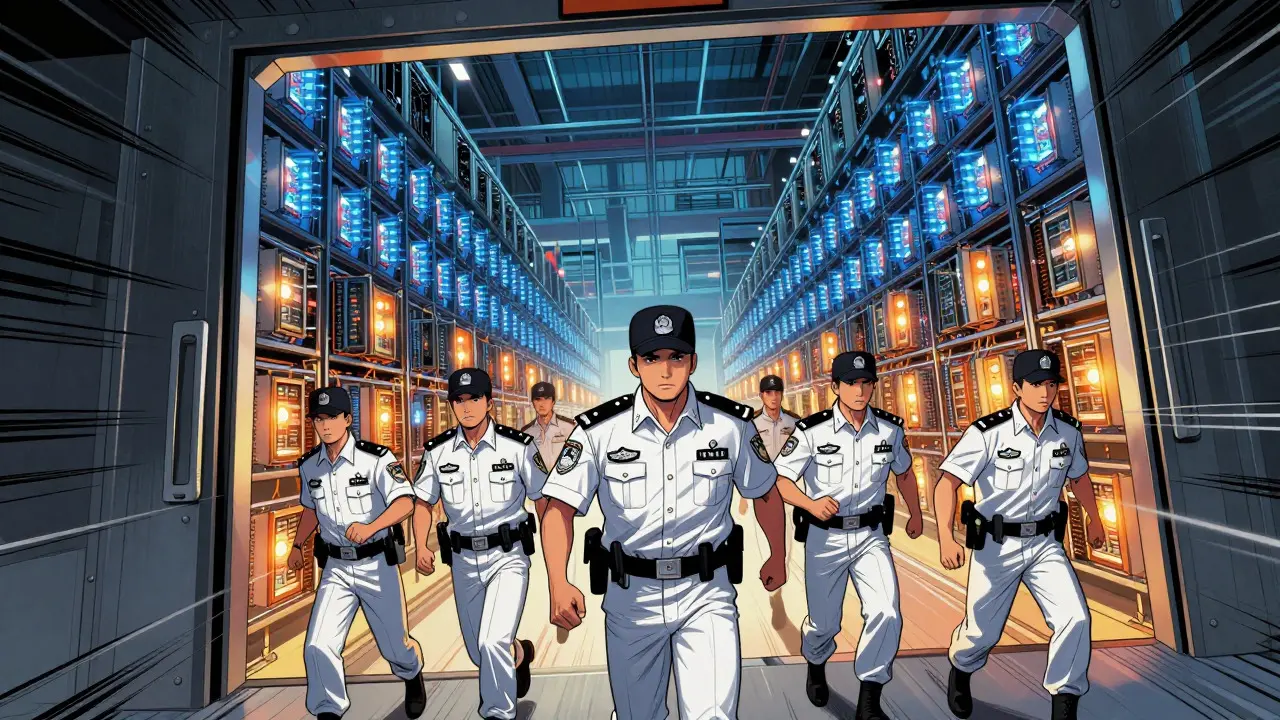
Imagine running a high-end Bitcoin mining farm with thousands of ASICs humming away, only to have the government shut it down overnight because the activity is now a criminal offense. That reality hit many operators after May 31, 2025, when China implemented what authorities described as a "comprehensive ban on all cryptocurrency activities." This wasn't just another minor tweak; it was the final nail in the coffin for legitimate cryptocurrency mining within the world's second-largest economy.
If you are looking at global markets or considering where to deploy hardware, understanding the current legal landscape in China is critical. It’s no longer about gray areas or local leniency. The framework has shifted from cautious regulation to total prohibition. Here is the breakdown of how we got here, what the law actually says, and why the enforcement machine is more aggressive than ever.
The Road to Total Prohibition
It didn’t happen overnight. The Chinese government spent over a decade tightening the screws. In 2013, banks were told to stop processing Bitcoin transactions. By 2017, Initial Coin Offerings (ICOs) were banned, and domestic exchanges were shut down. For years, miners operated in a sort of twilight zone-technically discouraged but often tolerated if they kept their heads down and paid their electricity bills.
The turning point came in 2021. The People's Bank of China declared all cryptocurrency transactions illegal and issued a nationwide ban on mining. This single move stripped China of its status as the dominant global mining hub. Before this, China held the majority of the global Bitcoin hashrate, thanks to cheap energy and proximity to hardware manufacturers. After 2021, that power had to be redistributed globally.
But the story didn’t end there. Throughout 2024, authorities conducted systematic arrests and asset seizures tied to unlicensed crypto activity. Then, on May 31, 2025, the ban escalated to cover everything: trading, ownership, and mining. Now, holding a crypto wallet can technically expose you to criminal liability, not just civil fines.
Why Did the Government Crack Down?
You might wonder why a tech-forward nation would go so far as to criminalize a technology that powers the internet. There are four main drivers behind this decision:
- Energy Consumption: Bitcoin mining is power-hungry. With China committing to carbon neutrality goals, the massive electricity draw of mining farms conflicted with environmental targets.
- Financial Control: Decentralized assets operate outside traditional monetary policy. The government wants to maintain strict control over capital flows and currency stability.
- Illegal Activity: Crypto has been linked to money laundering and capital flight. Banning it removes a tool often used to move money out of the country without oversight.
- Digital Yuan Promotion: China is actively developing its Central Bank Digital Currency (CBDC), known as the e-CNY. Authorities view competing decentralized assets as threats to the adoption of state-backed digital currency.
These factors create a perfect storm for prohibition. It’s not just about economics; it’s about sovereignty and strategic positioning in the digital finance race.
How Enforcement Actually Works
Laws on paper mean little without enforcement. In China, the net is cast wide. Multiple agencies work in coordination to identify and eliminate mining operations:
- People's Bank of China (PBOC): Leads financial oversight, ensuring banks don't process crypto-related transactions.
- State Administration of Foreign Exchange (SAFE): Monitors cross-border transactions to catch capital flight.
- Cyberspace Administration: Tracks digital activities and online discussions related to crypto.
- Ministry of Industry: Oversees technology aspects, including hardware imports and usage patterns.
One of the most effective tools is electricity consumption monitoring. Mining farms draw massive amounts of power. Utilities report unusual spikes to regulators, leading to site inspections. Banking compliance checks also play a huge role; if your bank account shows large transfers to unknown entities or frequent cash withdrawals, it triggers red flags. In 2024 and 2025, these methods led to numerous arrests and seizures of hardware worth millions of dollars.

The Underground Reality
Despite the official ban, did mining disappear completely? Not entirely. Human ingenuity is hard to kill. Studies suggest that underground mining operations continue to function through covert, fragmented setups. These are smaller, less visible facilities that avoid the radar by using residential power lines or remote locations with weak grid monitoring.
However, the risks are significant. Operators face constant fear of raids, equipment seizure, and criminal charges. The environment is hostile, with energy restrictions and environmental policies adding extra layers of difficulty. While China still maintains a notable share of global hashrate through these covert channels, it’s a shadowy existence compared to the open, industrial-scale operations seen in other countries.
Global Impact of the Chinese Ban
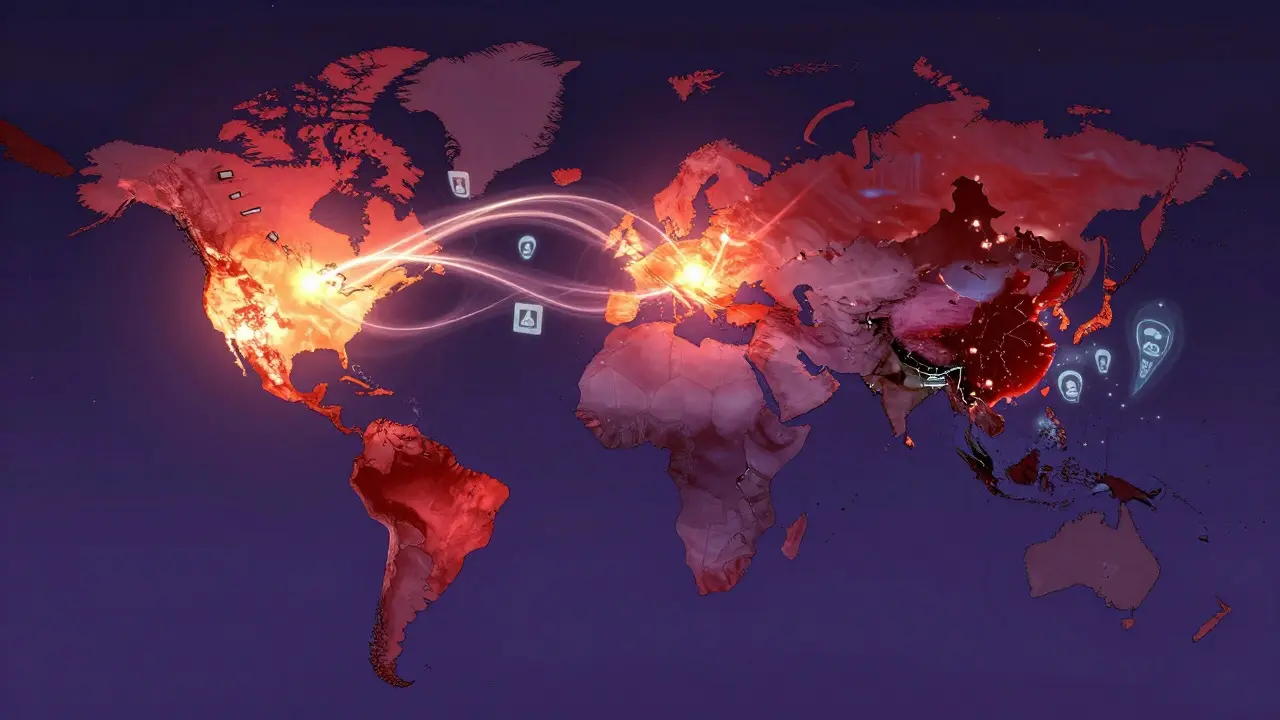
When China pulled out, the rest of the world felt the shock. The redistribution of hash power was massive. Miners relocated to jurisdictions with friendlier regulations, such as the United States, Canada, and Kazakhstan. This shift changed the competitive landscape of the global mining industry.
The market reaction to the May 31, 2025 announcement was immediate and severe. Bitcoin plummeted from approximately $111,000 to around $104,500 in a matter of hours. Ethereum and altcoins like XRP, Solana, and Cardano suffered substantial losses. The total cryptocurrency market capitalization fell by over 10% within 24 hours, with over $750 million in long positions liquidated. This volatility highlights how heavily the global market relies on stable regulatory environments.
| Aspect | Pre-2021 Status | Post-2025 Status |
|---|---|---|
| Legal Status | Gray area / Discouraged | Criminal Offense |
| Global Hashrate Share | Dominant (Majority) | Fragmented / Underground |
| Enforcement Focus | Exchange Shutdowns | Arrests, Seizures, Grid Monitoring |
| Market Reaction | Moderate Volatility | Severe Crash (10%+ Drop) |
What This Means for Investors and Miners
If you’re an investor, the key takeaway is regulatory risk. China’s stance signals that major economies can and will intervene in crypto markets. This necessitates diversifying exposure across different jurisdictions. If you’re a miner, China is effectively off the map for any serious operation. The cost of compliance, the risk of seizure, and the criminal penalties make it an unviable location for business.
The future outlook remains definitively negative. There is no indication of policy reversal. Instead, experts expect continued intensification. Authorities are likely to develop more sophisticated detection methods for underground operations and strengthen penalties. The focus on the digital yuan reinforces the government's commitment to centralized systems over decentralized alternatives.
Frequently Asked Questions
Is it legal to own cryptocurrency in China right now?
As of the May 2025 comprehensive ban, owning cryptocurrency is considered a criminal offense. While enforcement may vary in practice, the legal framework explicitly prohibits individual ownership, trading, and mining.
Where did Chinese miners go after the 2021 ban?
Most large-scale operations relocated to the United States, Canada, and Kazakhstan. These regions offered favorable energy costs and clearer regulatory frameworks, allowing them to absorb the displaced hashrate.
Does the ban affect the digital yuan (e-CNY)?
No, the ban actually supports the digital yuan. By eliminating competing decentralized assets, the government aims to ensure smoother adoption of its state-backed CBDC, the e-CNY.
How do authorities detect underground mining farms?
They primarily use electricity consumption monitoring to spot unusual power draws. They also rely on banking compliance checks and tips from local communities to identify hidden operations.
Will China reverse the crypto ban in the future?
Industry observers consider the likelihood very low. The ban aligns with long-term strategic goals regarding financial control, environmental targets, and digital currency promotion, making a reversal unlikely.



One must observe the sheer audacity of this legislative maneuver. It is not merely a regulatory adjustment; it is a fundamental assertion of state sovereignty over individual financial autonomy. The transition from a 'gray area' to a 'criminal offense' represents a paradigm shift in how we understand the relationship between centralized power and decentralized technology. We are witnessing the final consolidation of the digital yuan’s dominance, where any competing narrative is systematically dismantled. The energy argument is merely a pretext for what is truly a battle for monetary control. By criminalizing ownership, they remove the very concept of private property in the digital sphere. This sets a dangerous precedent for other nations seeking similar levels of control. The global market reaction was predictable, yet the severity of the crash underscores our collective dependency on stable jurisdictions. It is a stark reminder that without legal protection, an asset is merely a promise. The miners who fled were wise, but those who remained have become cautionary tales. The infrastructure for enforcement is now more robust than ever before. We should expect further tightening in the coming years. This is the end of an era for Chinese crypto.
Ooh, look at you all acting like this is some kind of new revelation. 🙄
It’s been banned since 2021, folks. The ‘comprehensive’ part just means they finally stopped pretending you could keep a few coins in your pocket without getting arrested.
Great job, China. You really nailed that one.
This is such a huge deal! 😱
I didn't even know owning it was illegal now.
Glad I moved my stuff to the US long ago.
Who would have thought holding a wallet could get you in jail?
So scary but good to know.
We need to be careful out there!
Love how fast things change in crypto.
Stay safe everyone!!
Man, reading this makes me feel so small. 🥺
Like, do we even have any real freedom with money anymore?
It’s just... everywhere.
The government is always watching.
And now they’re watching your electricity bill too? That’s wild.
I guess if you want to mine, you gotta go to Canada or something.
But for the rest of us, it’s just another layer of stress.
We just want to hold our assets safely, right?
But apparently, 'safe' is a relative term these days.
Sigh. Just another Tuesday in finance, I guess. 💔
Finally. They got it right
China is a communist nightmare anyway why did anyone think they’d let people own their own money
It’s about time they crushed this scam
Look at what happened to the market when they tightened the screws
Proof that only the strong survive
Those miners who stayed are idiots
They deserved to lose everything
Now America can take the lead
We should ban it here too just to show them
But we won’t because we have free markets
Or do we? Who knows
Just glad the commies are off the board
Keep pushing the digital yuan
It’s the future
Anything else is chaos
You people are so naive :P
Of course they banned it. Do you think they care about your 'financial freedom'?
Nope. They care about control.
Always have, always will.
Stop romanticizing decentralization, it’s just a way for scammers to hide money.
At least in China, if you break the law, you know exactly where you stand.
No more hiding behind 'smart contracts'.
Face reality people :)
The soul of the nation is being strangled by the cold hand of the state. A tragedy of modernity. We trade liberty for order and call it progress. The silence of the ASICs is the loudest scream of our generation. Do you hear it? The wind howling through empty server rooms. It sings of lost dreams. Of futures never realized. We are all prisoners of our own greed. And now, of their fear. The digital cage closes tight. No escape. Only submission. Beautiful. Terrible. Inevitable.
Meh. 🙄
Another overblown article.
Who actually cares about Chinese mining?
It’s all noise.
Just buy the dip and move on.
These headlines are written to make you panic sell.
Classic media trick.
Meanwhile, the real whales are laughing.
Enjoy the drama while it lasts. 😒
Nothing new under the sun. Ever.
Great breakdown of the timeline. For those wondering about the relocation, the US and Canada saw a massive influx of hashrate post-2021. The key factor wasn't just legality, but access to cheap, renewable energy. Many operations moved to areas with surplus hydro or wind power. It’s a good example of how regulatory risk directly impacts supply chain logistics. If you're looking to invest, diversification across multiple jurisdictions is no longer optional-it's essential. Keep an eye on Kazakhstan as well; they’ve been positioning themselves as a major hub.
Criminal offense. Not just fine. Crime.
That’s the takeaway.
Don’t ignore it.
It is fascinating to consider the cultural implications of such a total prohibition. In many Western societies, the concept of 'ownership' is deeply tied to individual identity and autonomy. To strip that away, even in a digital context, requires a profound shift in social contract. One wonders how the younger generations in China perceive this. Are they adapting to a worldview where the state is the ultimate custodian of value? Or is there a quiet, underground resistance forming in the spaces between the regulations? The e-CNY is not just a currency; it is a tool of social engineering. Its adoption will likely reshape consumer behavior and trust in institutions. We are observing a live experiment in centralized digital governance. The results will ripple far beyond finance, touching every aspect of daily life. It is a complex tapestry of control and compliance. History will judge whether this was necessary stability or oppressive overreach. For now, the silence of the mines speaks volumes.
Oh, give me a break. Another melodramatic piece about how the 'tyrannical East' is crushing innovation. As if American regulators haven't been trying to strangle crypto for a decade. But sure, let's pretend this is unique. Let's pretend the SEC isn't just waiting for the right moment to pounce. The irony is rich, isn't it? We cry about censorship in China while ignoring the bureaucratic labyrinth at home. At least they have the decency to be explicit about it. No more guessing games. No more 'wait and see.' Just a clean, hard stop. Perhaps we should take notes. Or maybe not. After all, we prefer our chaos wrapped in the flag. How very convenient. How very *American* of us to worry about someone else's rules while breaking our own. Bravo. 👏