
What is ReSource Protocol (SOURCE)? A Critical Look at the Confusing Crypto Token
Have you ever stumbled upon a cryptocurrency that seems to exist in two different realities at once? That is exactly what happens when you try to figure out ReSource Protocol and its native token, SOURCE. The project’s identity crisis is not just confusing; it is a massive red flag for anyone looking to invest or build on the network. As of mid-2026, SOURCE sits in a strange limbo between being a high-performance blockchain and a niche mutual credit tool, with almost no active users to back up either claim.
If you are holding SOURCE tokens or considering buying them, you need to understand why this project has lost nearly all its value and community support. This isn't just about price drops; it is about a fundamental breakdown in what the project actually is. Let's cut through the noise and look at the hard facts behind the SOURCE coin.
The Identity Crisis: Two Projects, One Ticker
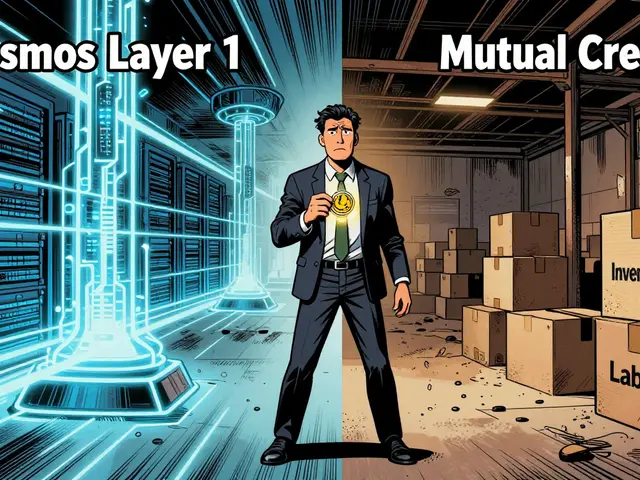
The biggest problem with SOURCE is that nobody can agree on what it does. If you check official documentation from a few years ago, you will see descriptions of a "comprehensive blockchain technology suite" built on the Cosmos ecosystem. It claimed to be a Layer 1 blockchain using Tendermint BFT consensus, designed for speed and low fees. This version promised to compete with giants like Ethereum by offering lightning-fast transactions and interoperable smart contracts via the Inter-Blockchain Communication (IBC) protocol.
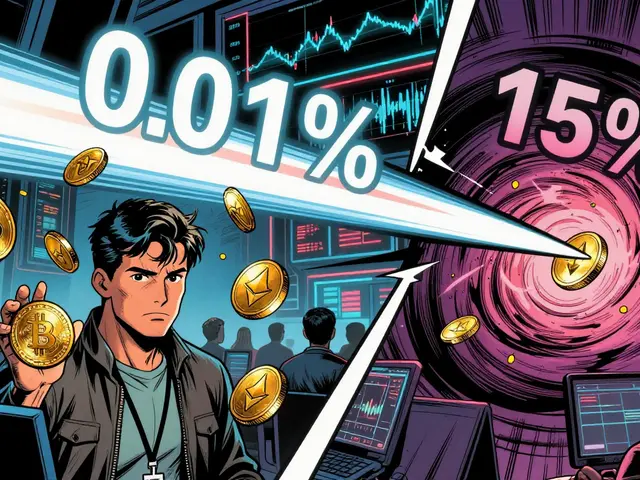
However, if you look at major exchanges like Binance or CoinMarketCap today, the story changes completely. Here, ReSource Protocol is described as a toolbox for creating distributed mutual credit systems on the Ethereum network. Instead of being a standalone blockchain, it is portrayed as a way for businesses to extend 0% interest credit to each other by leveraging unused inventory or labor. These are two entirely different technologies serving two different purposes. One is infrastructure code; the other is a financial utility layer. Having both narratives floating around creates immense confusion for developers and investors alike.
Technical Specs vs. Reality Check
Let's look at the technical claims versus the actual data. The Cosmos-based documentation boasted about affordable gas fees averaging $0.01 per transaction and highly scalable infrastructure. It mentioned features like Guardian Validator Nodes and integration with the Binance Smart Chain ecosystem. On paper, this sounds competitive against established chains.
In contrast, the Ethereum-based description focuses on mobilizing enterprise resources rather than processing raw transactions. It suggests that participants lend unutilized resources to peers. While the concept of mutual credit is interesting in theory, there is zero evidence that this system is actively used. There are no case studies, no API documentation updates, and no successful deployment examples found in recent years. The disconnect between the ambitious technical promises of 2023 and the silent, empty ledger of 2026 is stark.
| Feature | Cosmos-Based Narrative (Old Docs) | Ethereum-Based Narrative (Current Listings) |
|---|---|---|
| Blockchain Type | Layer 1, Proof-of-Stake | Ethereum Token / Mutual Credit Tool |
| Consensus Mechanism | Tendermint BFT | Ethereum Consensus |
| Primary Use Case | Web3 App Development, IBC | Business-to-Business Credit Extension |
| Transaction Cost Claim | ~$0.01 average | Dependent on Ethereum Gas Fees |
| Current Activity | Dormant since 2023 | No verifiable adoption metrics |
Market Performance: A Steep Decline
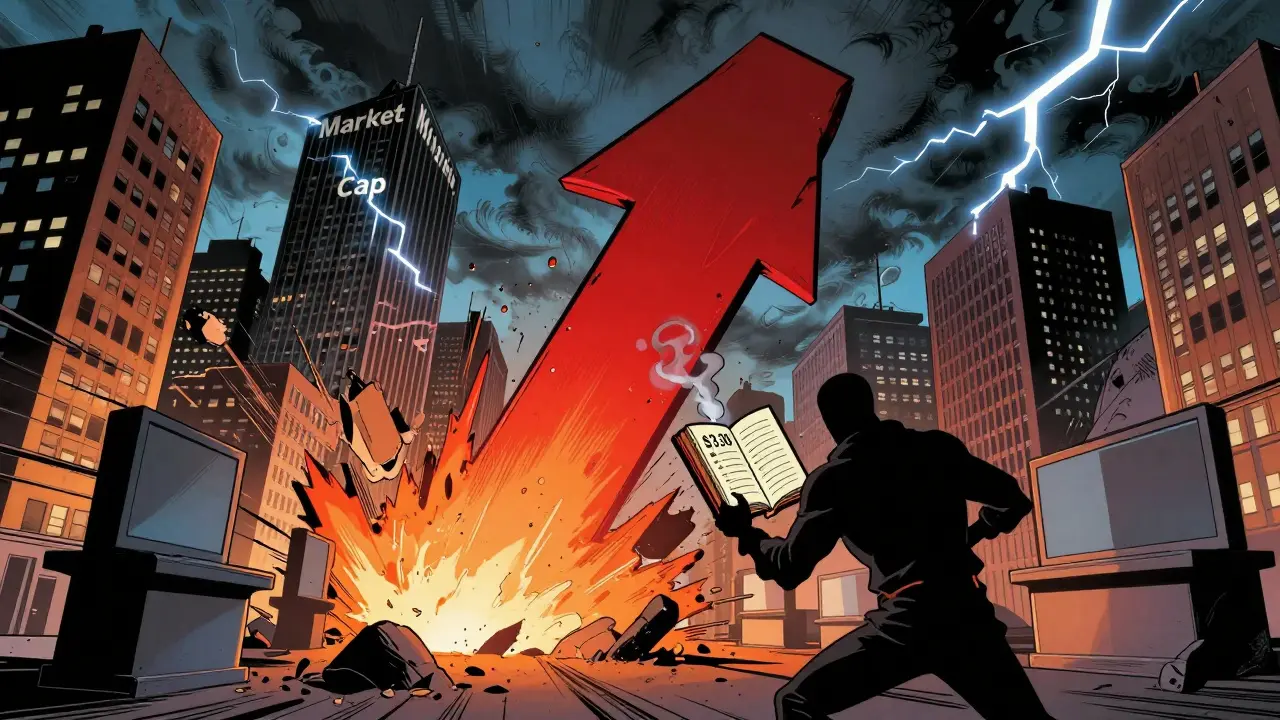
The market has spoken loudly about the viability of SOURCE. Back in November 2021, the token hit an all-time high of $3.30. At that time, hype was everywhere, and many projects saw unsustainable spikes. However, unlike legitimate projects that stabilized or grew, SOURCE crashed hard. By January 2026, prices ranged from $0.0007 to $0.0010 across various exchanges. This represents a decline of over 99%. Even more alarming is the one-year performance, showing a drop of roughly 92% from early 2025 levels.
To put this in perspective, while Bitcoin experienced a moderate correction during similar periods, SOURCE essentially vanished in value. The fully diluted market cap sits at a mere $102,467. For context, most top-tier altcoins have market caps in the billions. SOURCE ranks outside the top 6,000 cryptocurrencies globally. Trading volume is effectively zero on major platforms like Binance and Coinbase. When volume hits zero, liquidity dries up, meaning you might buy the token but find yourself unable to sell it without crashing the price further.
The Supply Problem and Liquidity Trap
One of the most concerning aspects of SOURCE right now is the circulating supply data. Exchanges report a maximum total supply of 100 million tokens, yet the circulating supply is often listed as zero. How can a token trade if nothing is circulating? This discrepancy usually points to one of two things: a failed token distribution mechanism where holders never received their assets, or a complete abandonment of the project by its creators.
If you hold SOURCE, you are likely facing a liquidity trap. With negligible trading volume, any attempt to move significant amounts of tokens could result in severe slippage. Furthermore, the lack of clear information regarding who controls the remaining supply raises questions about centralization risks. Are the founders still holding the majority? Is there a vesting schedule? Without transparent data, these risks remain unchecked.
Community and Developer Silence
A healthy cryptocurrency project thrives on community engagement and continuous development. You should see regular updates on GitHub, active discussions on Discord or Telegram, and content on Twitter or Reddit. For ReSource Protocol, the silence is deafening. Official documentation appears frozen in 2023. There are no recent commits to code repositories. Social media channels associated with the project show little to no activity from real users.
User feedback is virtually nonexistent. Major review platforms show zero votes or comments. This absence of community voice is a critical warning sign. In the crypto world, community drives adoption. Without developers building apps and users transacting, the technology becomes obsolete regardless of how good the original whitepaper sounded. The lack of expert analysis or third-party audits further isolates the project from credibility.
Is SOURCE Still Worth Your Attention?
Given the current state of affairs, the answer for most people is no. The combination of contradictory technical narratives, near-zero market capitalization, and complete dormancy makes SOURCE a high-risk asset with little upside potential. While the idea of a mutual credit system or a fast Cosmos chain is theoretically sound, execution matters. ReSource Protocol failed to execute on either front.
If you are a developer looking for a platform to build Web3 applications, there are dozens of active, well-funded, and documented alternatives like Solana, Polygon, or even newer Cosmos ecosystems that offer robust support and active communities. If you are an investor seeking growth, the historical data shows a pattern of decline, not recovery. Speculating on a dead project hoping for a miracle pump is a strategy that rarely pays off.
Red Flags to Watch For in Similar Projects
The story of SOURCE serves as a cautionary tale for navigating the crypto space. Here are key indicators that suggest a project may be losing traction or failing:
- Narrative Drift: When a project constantly changes its core purpose or description, it often indicates a lack of clear vision or an attempt to chase trends.
- Supply Discrepancies: Large gaps between total supply and circulating supply without explanation can signal distribution failures or insider control.
- Zero Volume: If major exchanges report no trading volume, the asset lacks liquidity and market interest.
- Documentation Stagnation: Outdated docs and inactive GitHub repositories are strong signs of abandoned development.
- Social Silence: Lack of genuine user discussion and community interaction suggests the project has no organic base.
By keeping an eye on these metrics, you can avoid getting stuck with tokens that have no future utility or value. Always prioritize transparency, active development, and clear use cases over hype.
Is ReSource Protocol (SOURCE) a scam?
While there is no definitive legal ruling labeling it a scam, SOURCE exhibits many characteristics of abandoned or failed projects. The contradictory information, lack of development since 2023, and near-total loss of value suggest that investors have been left with an illiquid asset. Proceed with extreme caution.
What blockchain does SOURCE run on?
There is conflicting information. Older documentation claims it is a standalone Layer 1 blockchain based on the Cosmos SDK. Current exchange listings describe it as an Ethereum-based token for mutual credit systems. This inconsistency is a major red flag regarding the project's technical reality.
Why is the price of SOURCE so low?
The price has dropped over 99% from its all-time high due to a complete lack of adoption, trading volume, and development activity. With a market cap under $105,000 and zero circulating supply reported on some exchanges, the token has lost all market confidence.
Can I still use SOURCE for business credit?
There is no evidence that the mutual credit functionality is operational. No businesses are publicly known to be using the system, and there are no updated guides or APIs available. It is unlikely that the service is functional as of 2026.
Where can I buy SOURCE tokens?
SOURCE is listed on minor exchanges like LBank and occasionally appears on larger ones like Binance or Coinbase, but trading volumes are effectively zero. Attempting to trade may result in high slippage or inability to execute orders due to lack of liquidity.