What is BloodLoop (BLS)? A Guide to the Avalanche GameFi Token
Imagine playing a competitive hero shooter where your skins and weapons aren't just digital files locked in a server, but assets you actually own. That’s the pitch behind BloodLoop, a free-to-play game that mixes fast-paced combat with blockchain technology. At the heart of this ecosystem sits the BLS token, a cryptocurrency designed to power everything from crafting rare items to entering tournaments. But before you rush to buy, you need to understand what this token actually does and why its market value looks so different across various platforms.
If you’ve seen BLS listed on exchanges with a price tag of fractions of a cent and a market cap under $12,000, you might wonder if it’s a hidden gem or a risky bet. The truth lies somewhere in between. This isn’t just another meme coin; it’s tied to a specific product developed by 7 Digital Labs, a studio based in Switzerland. However, like many early-stage GameFi projects, it comes with significant liquidity risks and technical complexities that casual investors often overlook.
The Core Concept: Gaming Meets Ownership
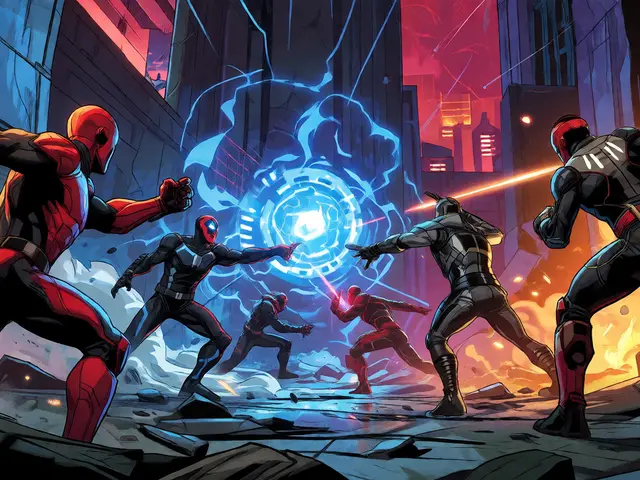
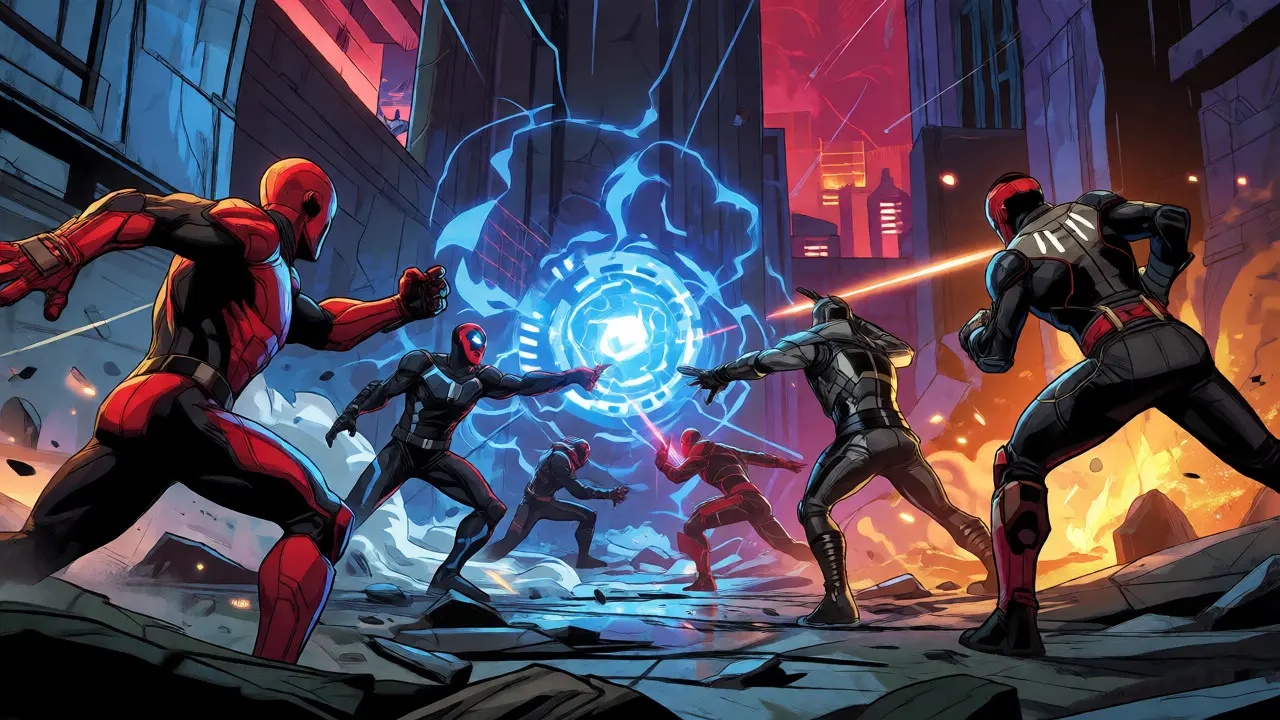
BloodLoop is a 5v5 third-person shooter set in a dystopian future. Think of games like Overwatch or Valorant, but with a twist: the economy is driven by blockchain. The developers, led by CEO Luca Menale, aimed to solve a common frustration in modern gaming-players spend money on cosmetics they can never sell or trade outside the game’s closed ecosystem.
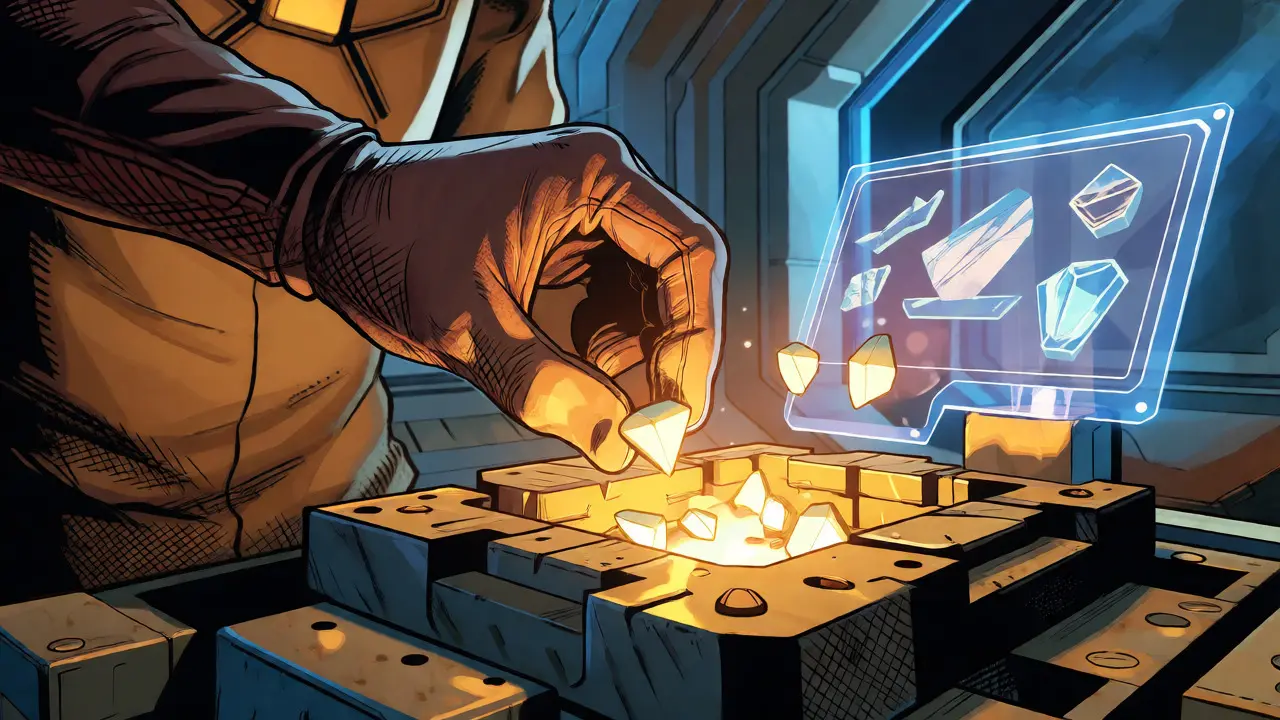
In BloodLoop, you don’t just find loot; you extract materials and fragments during matches. You take these back to a central hub called the Forge. Here, you use the BLS token to craft limited-edition skins and artifacts. These items are minted as NFTs (Non-Fungible Tokens), meaning they exist on the blockchain. If you decide you’re done with a particular skin, you can list it on the marketplace and sell it to another player for real value. This creates a circular economy where gameplay directly impacts asset value.
Technical Backbone: The Avalanche Subnet
To make trading thousands of in-game items feasible without clogging up the main blockchain, BloodLoop doesn’t run on the standard Ethereum network. Instead, it utilizes the Avalanche C-Chain. More specifically, the project operates on its own custom chain, often referred to as the LooP subnet. This is a private or semi-private blockchain built on top of Avalanche’s infrastructure.
Why does this matter? Standard blockchains can be slow and expensive. Every transaction costs "gas" fees. For a game where players might buy and sell dozens of small items daily, high fees would kill the experience. The LooP subnet is designed to handle high throughput with near-zero fees for users. While the BLS token itself exists on the public Avalanche C-Chain at the contract address `0x46B9144771Cb3195D66e4EDA643a7493fADCAF9D`, the actual in-game transactions happen on this faster, specialized layer. This setup allows for what the developers call "frictionless" gameplay, hiding the complexity of crypto from the average gamer.
Tokenomics: Supply and Utility
Understanding the supply structure is crucial for any investor. The maximum supply of BLS is capped at 350 million tokens. Unlike some inflationary tokens that print new coins endlessly, BloodLoop aims for a deflationary model through "token sinks." These are mechanisms that remove tokens from circulation, such as burning BLS when crafting certain high-tier items or paying entry fees for competitive tournaments.
However, here is where things get tricky. Market data providers report vastly different circulating supplies. As of October 2026, CoinGecko reports approximately 215 million BLS in circulation, while CoinMarketCap lists only around 52 million. This discrepancy likely stems from how different aggregators define "circulating" versus "total" supply, particularly regarding team allocations, vesting schedules, and locked reserves. Until the project releases a transparent, audited breakdown of vested vs. liquid tokens, treat all market cap calculations with skepticism.
| Metric | CoinGecko Data | CoinMarketCap Data | Notes |
|---|---|---|---|
| Price | $0.00005375 | $0.000057 | Extremely low unit price |
| Circulating Supply | ~215.8M | ~52.4M | Major discrepancy in reporting |
| Market Cap | ~$11,600 | ~$3,000 | Micro-cap status |
| 24h Volume | ~$92 | ~$19 | Very low liquidity |
Gameplay Mechanics and Modes
You might ask, "Is the game actually fun, or is it just a wrapper for the token?" BloodLoop launched in Early Access on the Epic Games Store in June 2025. It features three primary modes: Energy War, Team Deathmatch, and Free-for-All. In Energy War, teams fight to control nodes of Exotic Matter, a resource that fuels the game’s lore and economy. Success in these modes earns you the raw materials needed for crafting.
The roster has expanded since launch. Initially featuring five heroes, the Early Access documentation now lists twelve selectable characters, each with unique abilities and ultimates. This expansion suggests active development, which is a positive sign for long-term retention. The goal is to keep players engaged not just for the sake of winning, but to accumulate assets that hold value. If the player base grows, demand for skins and crafting materials should theoretically rise, driving up the utility demand for BLS.

Risks and Liquidity Concerns
Let’s be honest about the financial side. With a daily trading volume hovering around $20 to $100, BLS is incredibly illiquid. This means if you buy a decent amount of tokens, you might struggle to sell them quickly without crashing the price. Wide bid-ask spreads are common in micro-caps like this. Furthermore, the value of BLS is tightly coupled to the success of the game. If BloodLoop fails to retain players after the initial hype, the demand for crafting and tournament tickets will evaporate, potentially leaving holders with worthless tokens.
There is also the risk of regulatory uncertainty and technical failure. While the project claims to have an audited codebase, independent verification of the full system-including the security of the LooP subnet-is harder to find than for major Layer-1 blockchains. Always verify contracts directly on the Avalanche explorer rather than relying solely on exchange listings.
How to Get Started with BloodLoop
If you want to test the waters, here is the practical path:
- Download the Game: Head to the Epic Games Store and install BloodLoop. It’s free-to-play, so there’s no upfront cost to try the mechanics.
- Set Up a Wallet: You’ll need a wallet compatible with Avalanche C-Chain, such as MetaMask or Rabby. Ensure you have some AVAX for potential bridging or gas fees if you interact with the C-Chain directly.
- Acquire BLS: Buy BLS on supported exchanges like Bitget or BlackholeDex. Remember, due to low liquidity, use limit orders rather than market orders to avoid slippage.
- Connect and Play: Link your wallet to the game interface. Start playing matches to earn materials. Use the Forge to craft your first item and see how the marketplace works.
Keep in mind that the game is still in Early Access. Features, balance patches, and even tokenomics could change. Seasonal updates, like the Season 2 launch in August 2025, introduce new content and sometimes adjust economic parameters. Stay updated via official channels to avoid surprises.
Is BloodLoop (BLS) a good investment?
It is a high-risk, speculative investment. BLS is a micro-cap token with very low trading volume, meaning it is susceptible to high volatility and liquidity issues. Its value depends entirely on the sustained popularity of the BloodLoop game and the adoption of its Web3 features. It is not suitable for conservative investors looking for stable returns.
What blockchain is BloodLoop on?
The BLS token primarily resides on the Avalanche C-Chain. However, the game operates on a dedicated Avalanche subnet known as LooP, which handles in-game transactions to reduce fees and increase speed.
Can I play BloodLoop without buying crypto?
Yes, BloodLoop is free-to-play. You can download and play the game without holding any cryptocurrency. However, to fully utilize the Web3 features-such as owning NFT skins, trading on the marketplace, or participating in token-funded tournaments-you will need to acquire and connect BLS tokens.
Who developed BloodLoop?
BloodLoop was developed by 7 Digital Labs, a Swiss-based gaming studio. The founding team includes Luca Menale (CEO), Pasquale Finiello, Gabriele Tomassini, and Andrea Savini.
Why do market cap numbers vary for BLS?
Discrepancies arise because different data aggregators use different definitions for "circulating supply." Some may include locked tokens or team allocations, while others exclude them. Additionally, low trading volume can cause pricing inconsistencies across exchanges. Always check multiple sources and look for official tokenomics disclosures.