Low Gas Fees: How to Save Money on Crypto Transactions
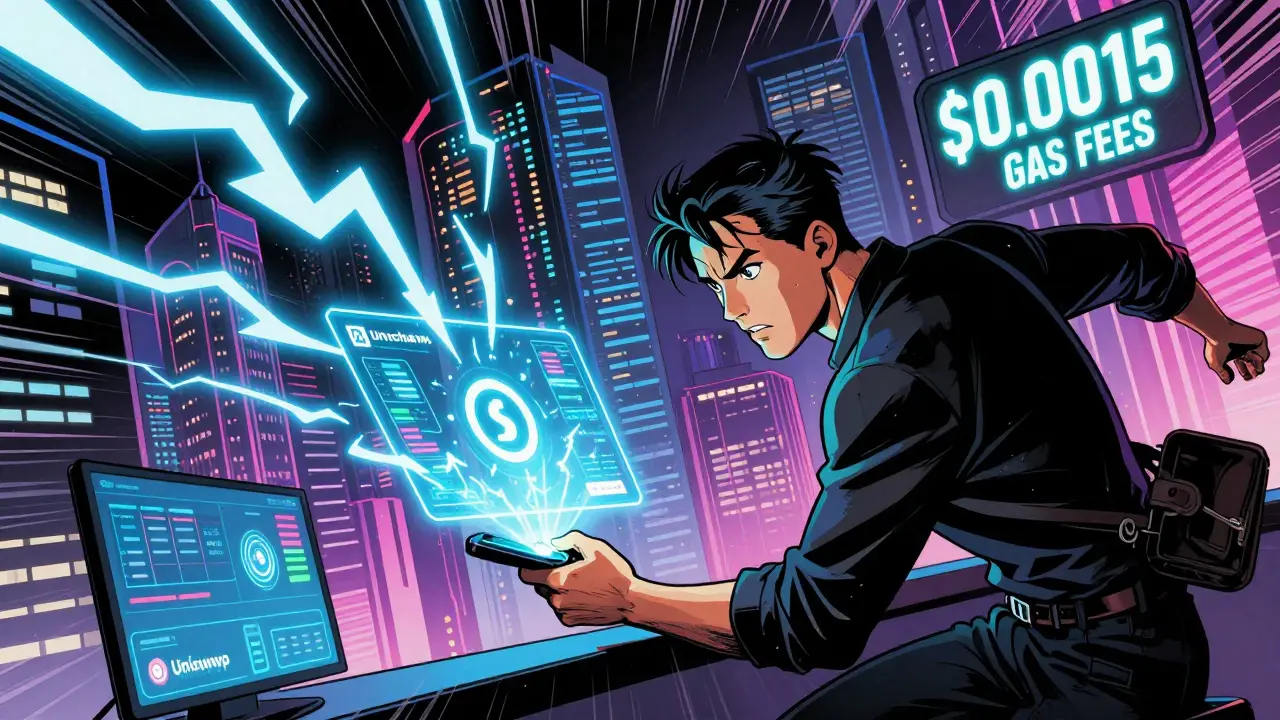
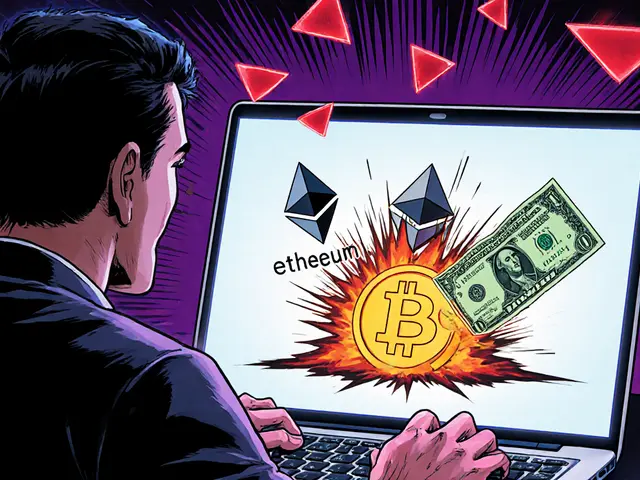
When you send crypto, you pay a fee to get your transaction processed—that’s the gas fee, the cost to execute a transaction on a blockchain network, usually paid in the network’s native token. It’s not a tax. It’s not a service charge. It’s the price of using the network’s computing power. And when gas fees spike, your small trade can cost more than the asset you’re buying. That’s why low gas fees aren’t just nice to have—they’re essential for anyone trading crypto regularly, using DeFi, or sending payments.
Not all blockchains are built the same. Ethereum, the most popular smart contract platform, used to be notorious for high fees during peak times. But now, alternatives have stepped in. Layer 2 networks, solutions built on top of Ethereum that handle transactions off the main chain to reduce congestion and cost. Also known as L2s, they enable near-instant trades with fees under a penny. Base, Arbitrum, and Optimism are leading examples. Then there are entire chains like Solana, BNB Chain, and Polygon that were designed from the start to be cheap and fast. These aren’t just backups—they’re the new default for everyday use.
Timing matters too. Gas fees rise when everyone’s trading at once—like during a big NFT drop or a major market move. Waiting 10-20 minutes during off-peak hours can slash your cost by 80%. Tools like Etherscan’s gas tracker or DeFi Saver show you real-time fee trends so you don’t guess. And if you’re using a wallet like MetaMask, you can manually adjust the fee before confirming—no need to pay the default.
Low gas fees aren’t just about saving dollars. They make crypto usable. If sending $50 worth of ETH costs $15 in fees, you’re losing money before you even start. But with low fees, you can swap tokens, stake, lend, or donate without worrying about the cost eating your profit. That’s why platforms like Base DEX and Biswap v2 are growing so fast—they let you trade with pennies, not dollars.
And it’s not just traders who benefit. Charities using smart contracts for conditional donations, gamers earning crypto through idle GPU power, or even people in restricted countries using non-custodial wallets—all rely on low-cost transactions to make it work. Without low gas fees, these innovations stay locked in theory. With them, they become everyday tools.
In this collection, you’ll find real-world examples of how people are using low gas fees to their advantage. From DeFi platforms that cut costs to scams hiding behind fake low-fee promises, we’ve pulled together the practical, the proven, and the pitfalls. You’ll see which networks actually deliver on low fees, which tokens benefit most, and how to avoid paying more than you need to—no hype, no fluff, just what works in 2025.
Uniswap v3 on Unichain delivers 95% lower fees and 1-second swaps, making it the fastest DeFi experience in 2025. See how it compares to other Layer 2s and why active traders are switching.
READ MORE