FCA Crypto Authorization: What It Means for Crypto Exchanges and Users
When you hear FCA crypto authorization, the official approval process by the UK’s Financial Conduct Authority that lets crypto businesses operate legally in Britain. Also known as crypto licensing, it’s not just paperwork—it’s the difference between a platform you can trust and one that could vanish overnight. If you’re trading crypto in the UK or using a service that handles your money, this is the single most important thing to check.
Companies that don’t have FCA crypto authorization are breaking the law. That means no legal protection if they get hacked, go bust, or disappear. The FCA doesn’t just check if a company has security systems—it digs into their ownership, money laundering controls, and how they treat customers. Think of it like a background check for crypto exchanges. Platforms like BloFin and Upbit aren’t automatically approved just because they’re big. Only those that submitted detailed applications, passed audits, and keep updating their compliance systems hold valid authorization. This is why you see some exchanges shut down in the UK while others keep operating—they didn’t meet the bar.
It’s not just about exchanges, either. The FCA also watches crypto wallets, staking services, and even crypto ATMs. If a project claims to be "UK-regulated" but can’t show its FCA registration number, it’s a red flag. Real authorization is public. You can search the FCA register yourself. This rule applies to anyone handling fiat-to-crypto trades, which is why AUSTRAC in Australia and SEC in Nigeria have similar systems. They all want to stop scams before they start. The FCA’s rules are strict, but they’re designed to protect you—not to make life harder for honest businesses.
What you’ll find in the posts below are real examples of what happens when companies skip this step. Some platforms like Nanu Exchange and Let’sBit vanished without warning. Others, like Ring Exchange, were never real to begin with. Meanwhile, exchanges that passed FCA crypto authorization—like those operating openly in the UK—have clear rules, customer support, and real accountability. You’ll also see how crypto mining in Nigeria or trading in Iran works without this kind of oversight, and why that’s dangerous. This isn’t about bureaucracy. It’s about keeping your money safe. The FCA doesn’t guarantee profits, but it does guarantee that if something goes wrong, there’s at least a system in place to track it down.
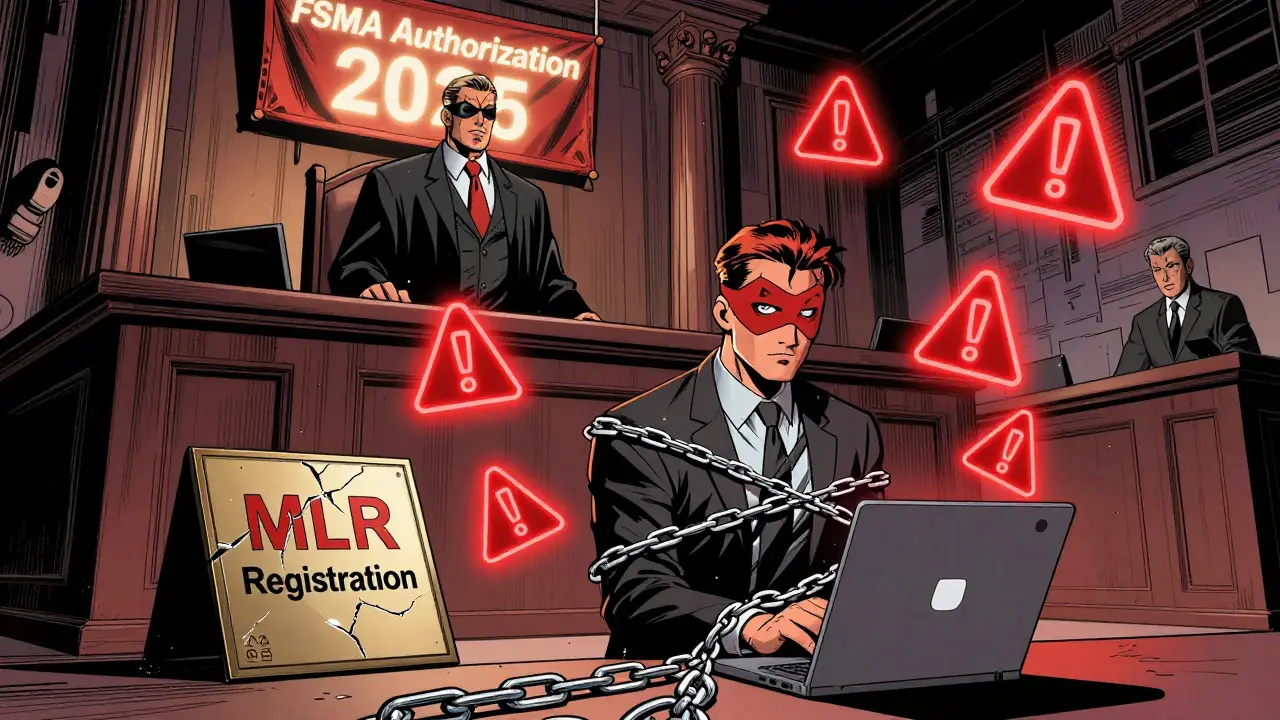
Understand the FCA's 2025 crypto exchange authorization rules in the UK, including registration, FSMA requirements, stablecoin rules, and how overseas platforms must comply to serve UK customers.
READ MORE