
FCA Crypto Authorization Requirements for Exchanges in 2025
FCA Crypto Authorization Calculator
Calculate Your FCA Requirements
Enter your business details to determine required FCA authorization level. Based on your input, we'll show which regulated activities you need to apply for under FSMA 2025.
Results
Regulatory Status Assessment
Enter your business details to see your FCA requirements.
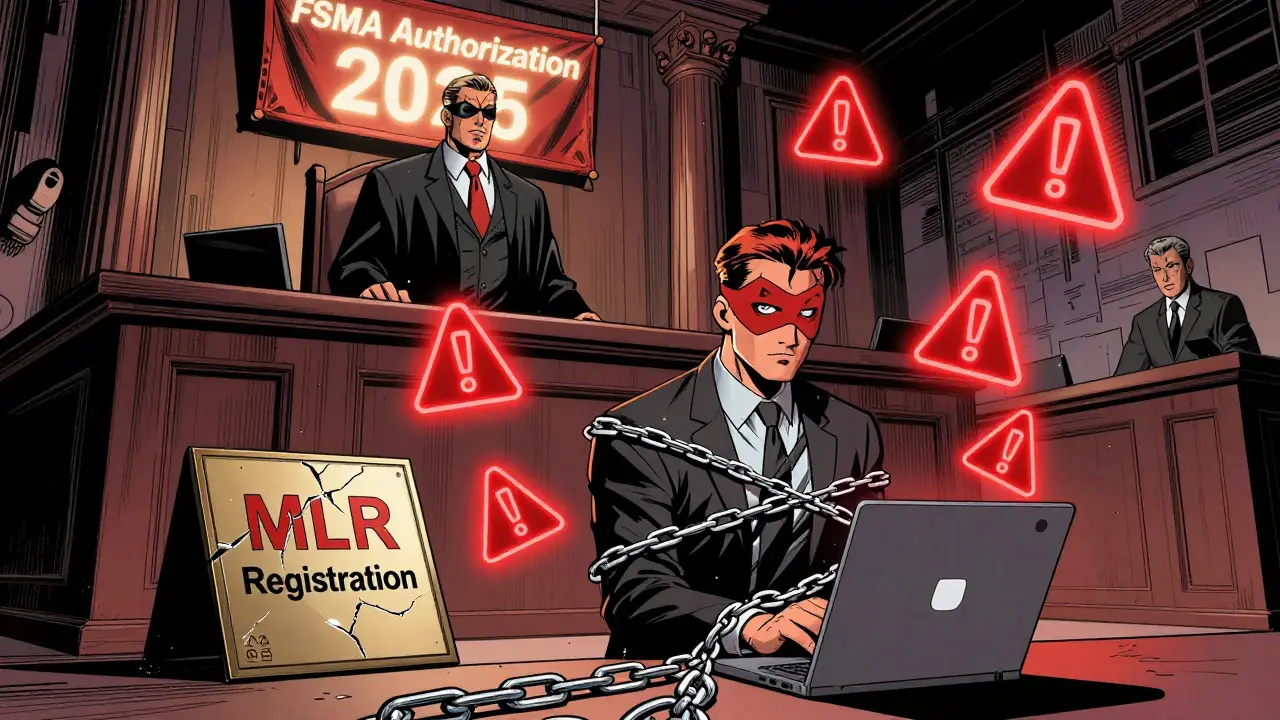
If you're running or planning to launch a crypto exchange in the UK, the FCA’s rules aren’t just paperwork-they’re the difference between operating legally and being shut down overnight. Since January 2020, any crypto business serving UK customers has had to register with the Financial Conduct Authority under the Money Laundering Regulations. But that’s only the beginning. By late 2025, a new, far stricter system under the Financial Services and Markets Act 2000 (FSMA) will replace the current registration process. If you’re not ready, you won’t be allowed to operate.
What You Must Register For Right Now
Right now, all crypto exchanges and custodian wallet providers must register with the FCA under the Money Laundering Regulations. This isn’t optional. It’s the baseline. If you’re accepting UK customers, processing trades, or holding crypto on their behalf, you need this registration. The FCA doesn’t issue licenses-it issues registrations, and they’re not easy to get. The application process demands proof you understand anti-money laundering (AML) and counter-terrorist financing (CTF) rules. You can’t just copy a template. The FCA expects you to show you’ve read and applied the Joint Money Laundering Steering Group (JMLSG) Guidance, specifically Chapter 22, which lays out exactly how crypto firms should monitor transactions, verify users, and report suspicious activity. If your KYC process doesn’t match JMLSG standards, your application will be rejected. You also need to prove your staff are trained, your tech can detect unusual patterns, and your leadership has no history of financial crime. The FCA checks directors’ backgrounds thoroughly. A single past conviction for fraud, even overseas, can disqualify your entire application.The Big Change: FSMA Authorization Coming in 2025
By the end of 2025, the current registration system will be replaced by full FSMA authorization. This isn’t an upgrade-it’s a complete overhaul. Under FSMA, crypto firms must be authorized for specific activities, not just registered. The FCA has defined five core regulated activities that now require formal permission:- Operating a qualifying cryptoasset trading platform
- Dealing in qualifying cryptoassets as principal
- Dealing in qualifying cryptoassets as agent
- Arranging deals in qualifying cryptoassets
- Safeguarding qualifying cryptoassets and relevant specified investments
Overseas Exchanges: Are You Covered?
Many crypto exchanges are based outside the UK-Singapore, Malta, the Cayman Islands. But if you’re serving UK retail customers, you’re still in scope. The FCA’s territorial rules are broad. If a UK person can sign up, deposit money, and trade on your platform, you need UK authorization. There’s one big exception: if you only serve UK institutional clients-funds, hedge funds, corporations-you don’t need authorization for trading or dealing activities. The FCA assumes these clients know the risks and don’t need the same protections as everyday investors. But here’s the catch: if an institutional client is acting as a middleman for retail users-say, a UK-based fund offering crypto access to its investors-you’re still caught by the rules. The FCA is cracking down on this loophole. The only way overseas firms can avoid direct authorization is by partnering with a UK-authorized intermediary. For example, if a U.S.-based exchange wants to serve UK retail users, it can work through a UK-registered broker who holds the FCA authorization. But that broker takes on all the legal risk-and the fees.
Stablecoins Have Their Own Rules
Stablecoins are treated differently. If you issue a stablecoin like USDC or a new GBP-backed token, you only need FCA authorization if you’re doing it from a physical office in the UK. That’s it. No matter how many UK users hold your stablecoin, if your team is based in Switzerland and your servers are in Germany, you’re not required to register with the FCA. This is intentional. The FCA doesn’t want to chase every foreign stablecoin issuer. But if you set up a UK office, hire UK staff, or have a UK-based legal entity managing your stablecoin, you’re in. This creates a clear line: physical presence = regulation. The FCA also requires stablecoin issuers to pass CASS audits-similar to how banks must audit client asset handling. You must prove your reserves are fully backed, segregated, and audited monthly by a qualified third party. No “proof of reserves” blog posts. Real, independent audits.What Happens to Retail Crypto ETNs?
In October 2025, the FCA reversed its 2021 ban on retail access to crypto exchange-traded notes (cETNs). Now, UK retail investors can buy cETNs that track Bitcoin or Ethereum-but only if they’re listed on a UK-based Recognised Investment Exchange. That means products like the Bitwise Bitcoin ETP or Grayscale Ethereum Trust can now be sold to everyday investors, but only through platforms like the London Stock Exchange, not through Binance or Coinbase. This is a strategic move. The FCA isn’t endorsing crypto. It’s channeling retail exposure into regulated, transparent markets with strict listing rules, daily pricing, and investor protections. You won’t see a direct crypto purchase on your brokerage app-but you might see a cETN that mirrors it.
Compliance Isn’t Optional-It’s Costly
Getting authorized isn’t just about filling forms. It’s about rebuilding your business. Firms that have gone through the process report spending between £200,000 and £1.2 million just on legal, compliance, and tech upgrades. That doesn’t include ongoing costs: annual fees, audits, staff training, and monitoring systems. You need a dedicated compliance officer, a robust transaction monitoring tool, real-time AML alerts, and a system that flags high-risk wallets. The FCA doesn’t care if you’re a startup. If you’re serving UK users, you need enterprise-grade controls. And don’t assume you can delay. The FCA is actively targeting unregistered platforms. In 2024, they blocked over 200 crypto websites from operating in the UK. Many were based overseas but had English-language interfaces and accepted GBP deposits. The FCA doesn’t wait for complaints-they proactively scan for violations.What You Should Do Now
If you’re planning to serve UK users, here’s your checklist:- Apply for FCA registration under MLRs immediately if you haven’t already.
- Review the JMLSG Chapter 22 guidance and update your AML policies.
- Map your business model to the five FSMA regulated activities. Are you doing more than trading? What about staking or stablecoins?
- If you’re overseas, decide: are you targeting retail or institutional clients? If retail, you need authorization or a UK partner.
- Start budgeting for compliance costs. Don’t wait until the deadline.
- Attend FCA pre-application meetings. They offer free guidance to help you avoid common mistakes.
Do I need FCA authorization if my crypto exchange is based outside the UK?
Yes-if you’re serving UK retail customers. The FCA’s rules apply based on who you’re serving, not where you’re based. If a UK person can sign up, deposit pounds, and trade on your platform, you need UK authorization under FSMA. The only exception is if you only serve UK institutional clients or use a UK-authorized intermediary to handle customer access.
What’s the difference between FCA registration and FCA authorization?
Registration under the Money Laundering Regulations is the current baseline requirement for crypto exchanges and custodians. It’s a lower bar-focused on AML compliance. Authorization under FSMA is a full financial services license. It covers more activities, requires stricter financial and operational standards, and gives the FCA direct supervisory power over your business. By late 2025, registration will be replaced by authorization.
Can I still offer staking rewards to UK users?
Only if you have FCA authorization for qualifying cryptoasset staking. Staking is now a regulated activity under FSMA. If you’re offering staking rewards to UK retail users, you must apply for this specific authorization. The FCA treats staking as a form of investment activity, not just a technical feature.
Are stablecoins treated differently under FCA rules?
Yes. Issuing a stablecoin only requires FCA authorization if you’re doing it from a physical establishment in the UK. If your team, servers, and legal entity are outside the UK, you don’t need authorization-even if UK users hold your stablecoin. But if you open a UK office or hire UK staff to manage it, you’re in scope.
What happens if I don’t get FCA authorization?
The FCA can block your website from being accessed in the UK, fine you, or pursue criminal charges against your directors. They’ve already shut down over 200 unregistered platforms since 2020. If you’re serving UK customers without authorization, you’re operating illegally-and you’re putting your personal assets at risk.
Can I use a UK broker to avoid getting authorized?
Yes, but it’s not a loophole. If you partner with a UK-authorized intermediary, they become the legal entity responsible for compliance. You’ll need to sign a contract that makes them liable for AML, KYC, and reporting. Most brokers charge high fees for this service, and they’ll demand full control over customer onboarding and transactions.
Do I need to change my platform’s website to comply?
If you’re targeting UK retail users, you must clearly disclose your regulatory status on your website. If you’re registered, you must display your FCA registration number. If you’re authorized, you must show your FCA firm reference number. You also need to update your terms of service to reflect FSMA requirements, including risk warnings and how client assets are safeguarded.
Is there a deadline for FSMA authorization?
The FCA hasn’t set a hard cutoff date yet, but the legislation is expected to come into force in early 2026. Firms are being urged to apply by late 2025 to avoid disruption. Applications are already open, and processing times are taking 6-9 months. Waiting until the last minute will leave you without access to the UK market.






Just went through the FCA registration last year - it’s a nightmare but worth it. The JMLSG Chapter 22 stuff is brutal, but once you get your AML system locked in, things get way smoother. Pro tip: don’t try to DIY the KYC flow. Buy a compliant vendor tool. Saves months of headaches.
One cannot help but observe, with a mixture of bemusement and profound dismay, that the Financial Conduct Authority has, in its infinite wisdom, elected to impose upon the burgeoning crypto ecosystem a regulatory architecture so labyrinthine, so Byzantine, that it borders on the grotesque. The very notion that a digital asset, existing in a decentralized, borderless ether, should be shackled by the corporeal constraints of a UK-based legal entity is not merely archaic - it is ontologically absurd.
Yeah, I get what the FCA’s trying to do. But honestly? Most of these rules feel like they were written by people who’ve never even traded crypto. You can’t regulate blockchain like a bank. It’s not the same thing. I’m not saying skip compliance - I’m saying adapt it.
OMG I JUST FOUND OUT MY STABLECOIN PROJECT IS ILLEGAL?? I THOUGHT WE WERE FINE BECAUSE WE'RE IN SWITZERLAND???!?!?!? THIS IS A SCAM I'M SENDING MY LAWYER TO THE FCA I'M NOT PAYING A MILLION DOLLARS FOR A STICKER ON A WEBSITE
Big thanks for laying this out so clearly 😊 I’ve been stressing about the 2025 deadline and this helped me prioritize. Just booked a call with our compliance guy - we’re gonna tackle the staking part first. If anyone needs help mapping FSMA activities to your platform, DM me - happy to share our checklist!
Let’s be real - this isn’t about protecting consumers. It’s about preserving the dominance of traditional finance. The FCA doesn’t want you to succeed. They want you to fold so their legacy banking partners can swoop in and sell you ETFs at 3% fees. This is regulatory capture dressed up as consumer protection.
So let me get this straight - you need a million bucks to play in the UK market but a guy in his basement with a python script can still pump a meme coin to 1000x? Yeah, that makes total sense. Real smart move, FCA. Real smart.
There’s a beautiful rhythm here - chaos meets order. Crypto was born free, wild, untethered. Now we’re being asked to wear a suit and tie. But here’s the thing - the suit doesn’t kill the spirit. It just gives it structure. Think of it like gardening. You prune the weeds, but you still let the flowers bloom. The FCA isn’t trying to kill crypto. They’re trying to make sure it doesn’t poison the soil.
Wait… so the FCA is blocking websites but they’re not shutting down the banks that helped fund the 2008 crash? Hmm. I smell a setup. Who owns the FCA? Who owns the auditors? Who owns the lawyers? This isn’t regulation - it’s a controlled demolition. They want crypto to look like a failure so they can buy it cheap later.
Has anyone tried the FCA’s pre-application meetings? They’re surprisingly helpful. No pressure, just real talk from actual compliance officers. They’ll tell you exactly what you’re missing. I went in thinking I was ready - turned out I missed three things that got my first application rejected.
Look, I get it - compliance is expensive, it’s slow, it’s frustrating. But if you’re serious about building something that lasts, you don’t cut corners on trust. The people who think they can fly under the radar are the same ones who end up on the front page of the Financial Times with their names in bold. This isn’t just about money - it’s about legacy. Do you want to be remembered as the guy who tried to game the system, or the guy who built something real that survived the storm?
Staking = investment activity. That’s the key. The FCA isn’t being arbitrary. If you’re offering returns tied to crypto, it’s a security. Period. Stop pretending it’s just a technical feature. This isn’t crypto-specific - it’s finance 101.
UK regulations are the gold standard. If you can’t meet them, you don’t deserve to serve customers. This isn’t about nationalism - it’s about standards. If your company can’t handle basic AML, you shouldn’t be handling people’s money. Simple as that.
Oh wow, so now I have to pay a million pounds just to let people buy Bitcoin? What’s next? Do I need a PhD in compliance to click ‘buy’? I’m pretty sure my grandma doesn’t know what JMLSG is. Maybe the FCA should just admit they hate crypto and be done with it.
Of course the FCA wants you to partner with a UK broker. That’s where the real money is - the middlemen who charge 15% just to let you touch a customer. This whole system is designed to funnel cash to London law firms and compliance consultants. Crypto’s dead. Long live the middlemen.
I think what’s missing here is the human side. Everyone’s talking about rules and fees and audits but what about the devs and the support teams working 80 hour weeks just to stay compliant? They’re not getting bonuses. They’re not getting credit. They’re just trying to keep the lights on. Maybe the real solution isn’t more regulation - it’s more empathy. We need to build systems that help people, not just punish them.
I just wanted to say thank you to the person who wrote this. I’m a single mom working two jobs and trying to launch a small crypto wallet app. I was ready to give up until I read this. It’s scary, yeah, but it’s not impossible. I’m applying for registration next week. If I make it, I’ll come back and tell you how it went. You’re not alone out there.