
Russia's Crypto Mining Shift: Using Digital Assets to Bypass Sanctions
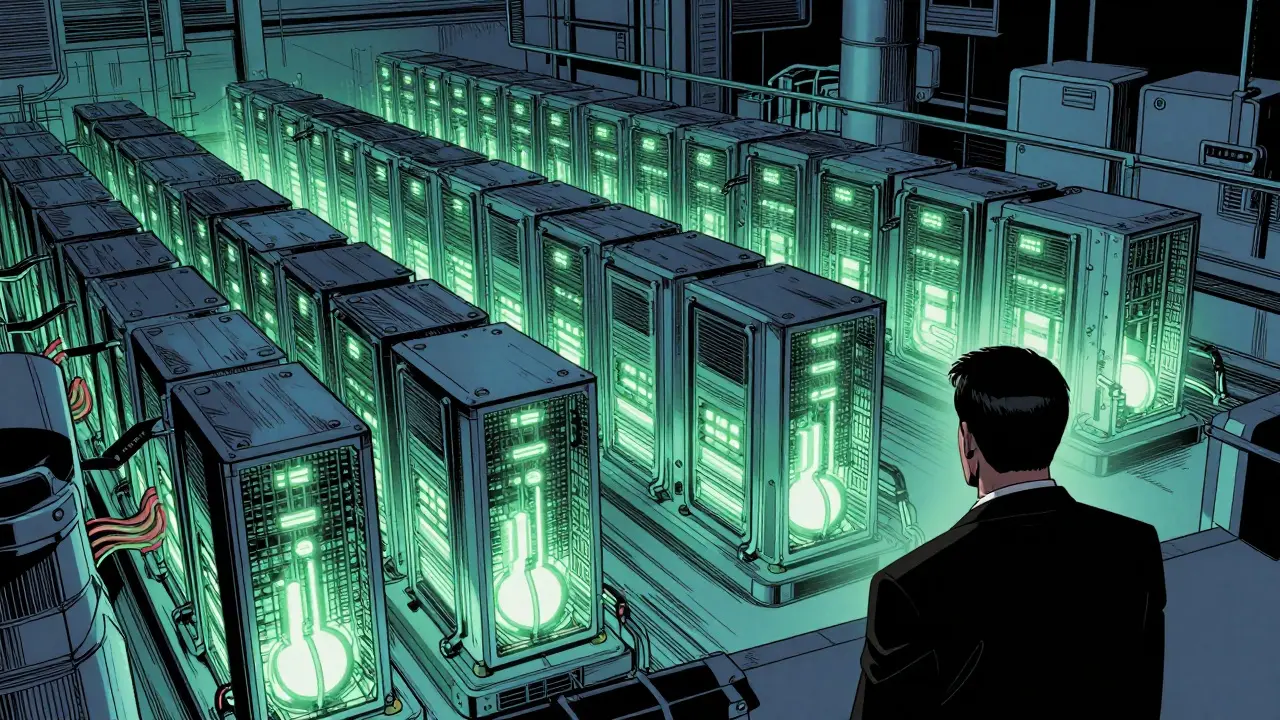
Imagine trying to run a national economy while the world's biggest financial switches are being flipped off. For Russia, that reality hit hard after the 2022 invasion of Ukraine. With the traditional dollar-based system suddenly out of reach, the Kremlin didn't just look for a workaround; they decided to build their own financial plumbing from the ground up. By legalizing crypto mining is the process of using high-powered hardware to secure a blockchain network and earn digital currency rewards and cross-border digital payments, Russia is attempting to turn the blockchain into a shield against Western economic pressure.The Blueprint for a Shadow Economy
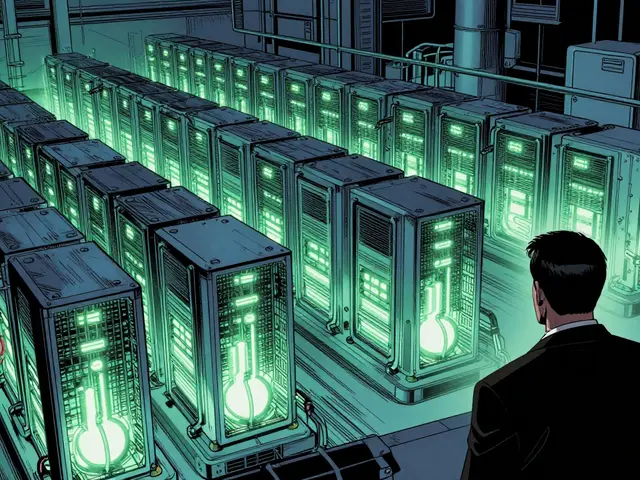
Russia isn't just letting people mine Bitcoin in their basements; they've institutionalized the process. By embracing a massive mining industry-now reportedly the third largest in the world-the state is securing the raw materials needed for a parallel financial system. This isn't about retail investors getting rich on Dogecoin. It's about creating a state-sanctioned infrastructure that doesn't require a permit from New York or London to move money. This "shadow crypto economy," as described by blockchain experts, is a complex web. It connects sanctioned exchanges, money laundering services, and military procurement networks. The goal is simple: move rubles into digital assets, ship them across borders, and turn them back into usable currency to buy weapons or industrial parts without triggering a red flag at a Western bank.The Rise of A7A5: A Ruble on the Blockchain
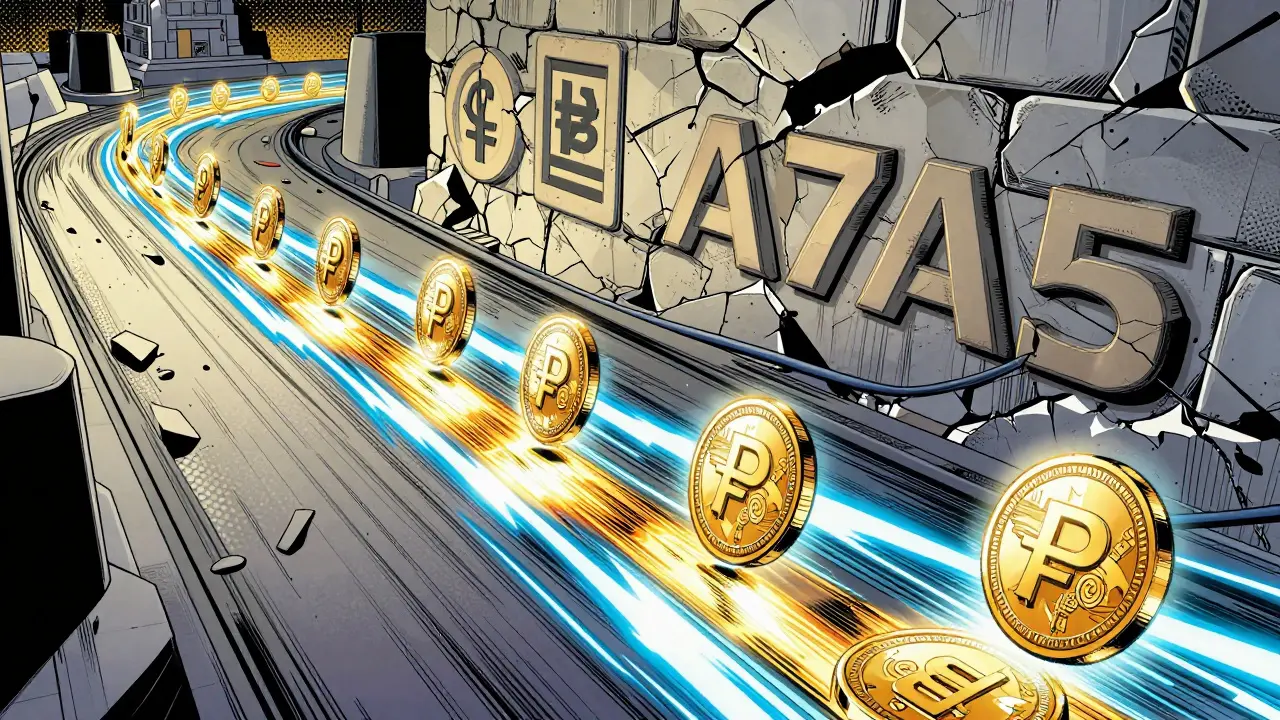
One of the most concrete examples of this strategy is the A7A5 stablecoin. Unlike Bitcoin, which swings wildly in price, A7A5 is a ruble-backed cryptocurrency designed to provide stability for commercial trade. Launched in February 2025 by Ilan Shor and backed by the state-owned Promsvyazbank (PSB), this token became a powerhouse for sanctions evasion. By July 2025, A7A5 had processed over $51 billion in transactions. The patterns here are telling. Most of the activity happens during standard business hours, which suggests that companies-not random traders-are using it to settle invoices. At one point, the network was moving $9.3 billion every few months, effectively creating a private highway for Russian trade that bypasses the SWIFT system entirely.| Feature | Traditional (SWIFT/USD) | Russian Crypto Model (A7A5/Mining) |
|---|---|---|
| Control Point | Central Banks / US Treasury | Decentralized Nodes / Local Exchanges |
| Visibility | High (Bank Reporting) | Pseudonymous (Blockchain) |
| Settlement Speed | Days (Cross-border) | Near-Instant |
| Sanction Risk | Immediate Freezing of Assets | High (via Wallet Blacklisting) |
The Infrastructure of Evasion: Exchanges and Shells
To make a stablecoin like A7A5 work, you need a place to trade it. This is where the "insider" exchanges come in. For years, Garantex was a primary hub for Russian crypto activity before the US stepped in. When that door closed, new ones opened. In 2024, former employees launched Grinex, an exchange specifically built to dance around the sanctions. These aren't your typical trading platforms. They operate within a small, tight-knit circle of providers with deep ties to the Kremlin. By keeping the liquidity within this closed loop, Russia can move billions of dollars through Kyrgyzstan and Luxembourg, using shell companies to hide the original source of the funds. It's a high-stakes game of musical chairs where the music is the latest OFAC update.The Western Counter-Strike: Blockchain's Double Edge
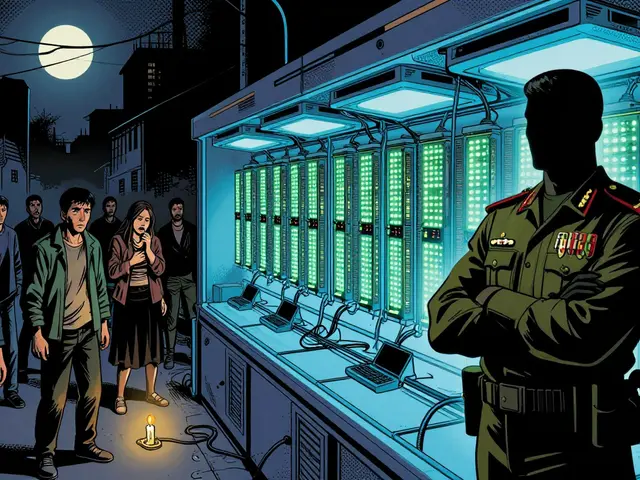
If blockchain is so great for hiding money, why hasn't it worked perfectly for Russia? The irony is that the very thing that makes crypto appealing-its public ledger-is also its biggest weakness. Chainalysis and other analytics firms can track these "shadow" flows in real-time. While a wallet address doesn't have a name attached, the behavior of the money often gives it away. Western authorities have shifted from targeting just the money to targeting the people and hardware. On August 20, 2025, the US Treasury's OFAC did something unprecedented: they designated a virtual currency mining company. By hitting the miners, the US is trying to cut off the electricity and hardware that power the entire system. The UK's OFSI followed suit, sanctioning the Kyrgyz networks used to pay for military gear. It's a cat-and-mouse game where the US is trying to blacklist the wallets faster than Russia can create new ones.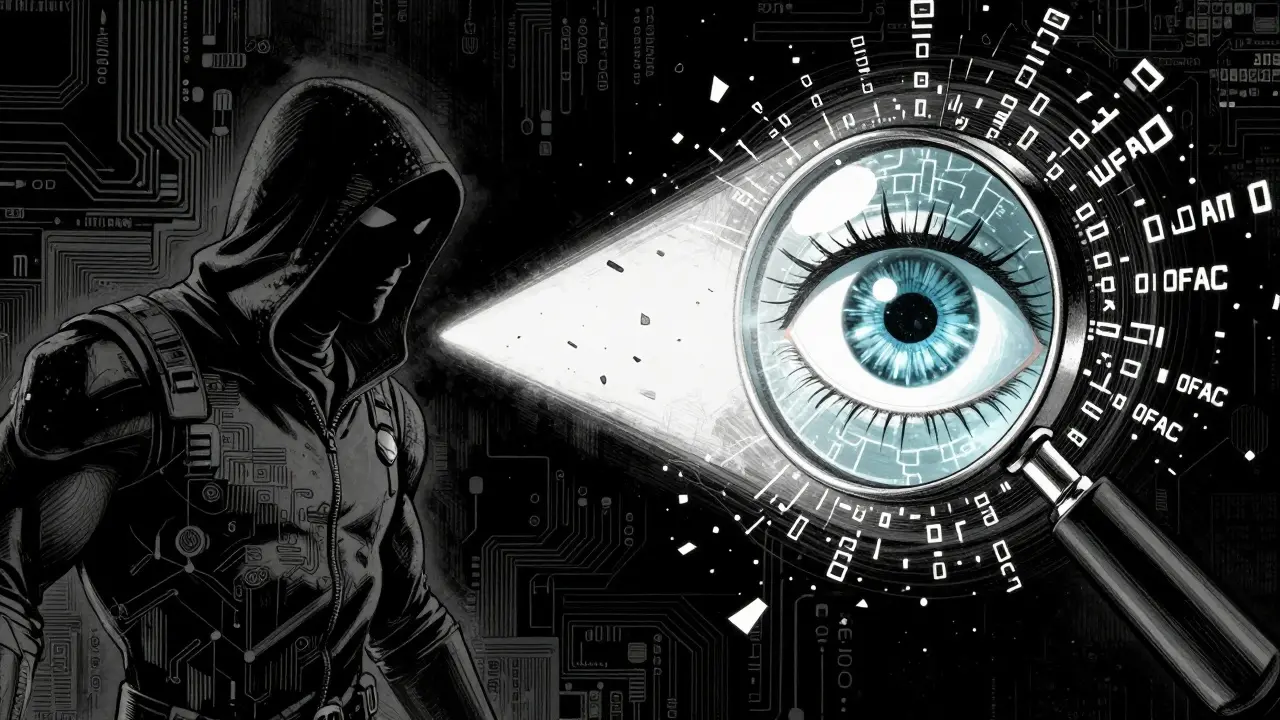
Can Crypto Actually Replace the Dollar?
Here is the reality check: despite the billions moved by A7A5, crypto is still too small to be a total replacement for the US dollar. The Bitcoin Policy Institute points out a glaring math problem. Russia's pre-war exports were around $400 billion a year. That's roughly half of Bitcoin's entire market cap. Trying to settle a massive oil shipment in Bitcoin is like trying to buy a house with arcade tokens-the volatility is just too high. If the price of Bitcoin drops 10% in an hour, a multi-billion dollar energy deal becomes a nightmare. This is why Russia is leaning so hard into stablecoins and legalized mining; they need a digital asset that behaves like a currency, not a speculative lottery ticket.What's Next for the Global Financial War?
Russia's move toward a legalized crypto-mining state is a signal that they are playing the long game. They aren't just trying to survive the current sanctions; they are trying to build a world where those sanctions don't matter. We're seeing the birth of "payment rails" that ignore Western borders entirely. However, the success of this experiment depends on whether other sanctioned nations, like North Korea or Venezuela, can create a unified "anti-dollar" network. Until then, Russia's shadow economy remains a precarious bridge-efficient for some, but constantly under threat from the transparency of the very blockchain it relies on.Why did Russia legalize crypto mining specifically for sanctions?
Legalizing mining allows Russia to generate its own digital assets independently. By controlling the production of cryptocurrency, they can create liquidity and payment channels that don't rely on Western banks or the SWIFT system, making it easier to trade with partners who are also avoiding US sanctions.
What is the A7A5 stablecoin and how does it work?
A7A5 is a ruble-backed stablecoin issued by Old Vector and supported by Promsvyazbank. It acts as a digital version of the ruble, allowing businesses to transfer large sums across borders quickly and with less visibility than traditional bank transfers, which are monitored by international regulators.
Can the US actually stop crypto-based sanctions evasion?
It's a constant struggle. While they can't "shut down" the blockchain, the US Treasury (OFAC) can blacklist specific wallet addresses and sanction the exchanges (like Grinex or Garantex) that provide the on-ramps for these funds. Blockchain analytics also allow the US to identify and freeze assets once they touch a regulated exchange.
Is Bitcoin an effective tool for Russia's national trade?
Not really. Bitcoin is too volatile and its total market value is too small to handle the sheer volume of Russia's national exports. This is why the focus has shifted toward stablecoins, which offer the speed of crypto without the wild price swings of Bitcoin.
Which other countries are using similar crypto strategies?
North Korea and Venezuela have both been documented using cryptocurrencies to bypass international sanctions, often using similar methods like mixing services and state-sponsored mining to hide the origin of their funds.




just another day of the state pretending to be decentralised while keeping the leash tight. it is honestly peak irony that they use a transparency tool to hide their dirty laundry. but hey that is the world we live in where everything is a facade and the only real currency is power not btc
this is just wild omg
Omg yes!! Totally agree that this is like a movie plot lol. It's crazy how they just built a whole new system because they got locked out of the old one... absolute madness!! 😱
obvious that the a7a5 token is just a centralized database with extra steps. anyone who thinks this actually disrupts the global order is ignoring how liquidity works in the real world
It's really fascinating to see how technology evolves to meet these geopolitical needs! 🌐 While it's a complex situation, understanding these new payment rails is key for everyone in the fintech space. Keep learning! 🚀✨
it just feels so bleak knowing how easily they can just slip throug the cracks while the rest of us suffer from the economic fallout. just totally unfair how the big players always find a loophole lol
WAKE UP PEOPLE!!! This is obviously just the beginning of a globalist shadow-web designed to erase our borders entirely!!! They're using these "stablecoins" to bleed us dry while the elites hide in their bunkers!!! Absolute travesty!!! Why is the government just letting this happen while our own sovereignty is being shredded piece by piece?!?! Disgusting!!!
From a technical perspective, the implementation of ruble-backed assets provides a necessary bridge for institutional trade. It is imperative to note that the transition from volatile assets like Bitcoin to stablecoins indicates a sophisticated understanding of treasury management. Such a strategic pivot minimizes the risk associated with market fluctuations while maintaining the efficiency of distributed ledger technology. One must also consider the implications for other nations facing similar diplomatic pressures. This model potentially serves as a blueprint for an alternative financial architecture that operates independently of the G7's influence. The integration of state-owned banks into the issuance process further legitimizes the asset within the domestic framework. It is a remarkable evolution of the shadow economy into a formalized digital structure. Furthermore, the use of proxy nations for liquidity suggests a high level of coordination between state actors. Ultimately, the success of this endeavor will depend on the ability to maintain liquidity without access to traditional Western markets. It is a fascinating case study in economic resilience and adaptation.
The intersection of national security and digital finance is indeed complex. It is important to maintain a balanced perspective on how these tools are utilized by state actors to circumvent international law.
Let's be real, the US is just mad they aren't the only ones playing the game now. It's funny how 'rules-based order' only applies when the US is winning. Get used to it, the dollar isn't the only king in town anymore!
Which wallets are they using? Give me a list.
The A7A5 token is just a front for something deeper. They want us to think it's about sanctions, but it's actually about creating a programmable currency to track every single move of the population. It's a trap for the masses.
Interesting how the hardware side is becoming the main target now. It makes sense that hitting the energy source is more effective than chasing digital ghosts.
It is quite sad to see technology meant for liberation being used for military procurement. I hope we can find a way back to a world where financial tools are used for peace instead of evasion.