Kosovo's 2022 Crypto Mining Ban: Causes, Enforcement, and Current Status
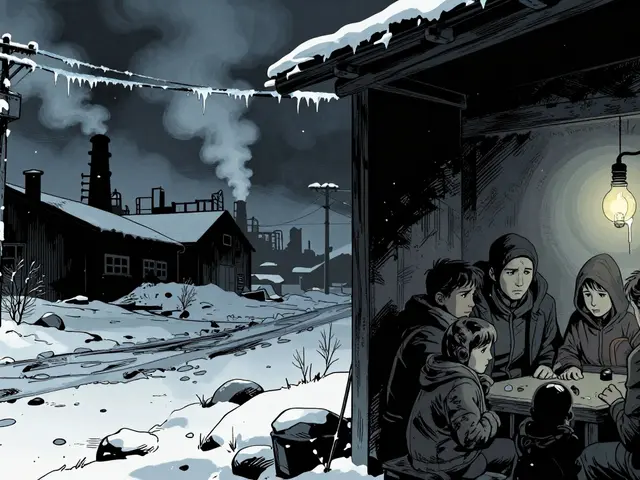
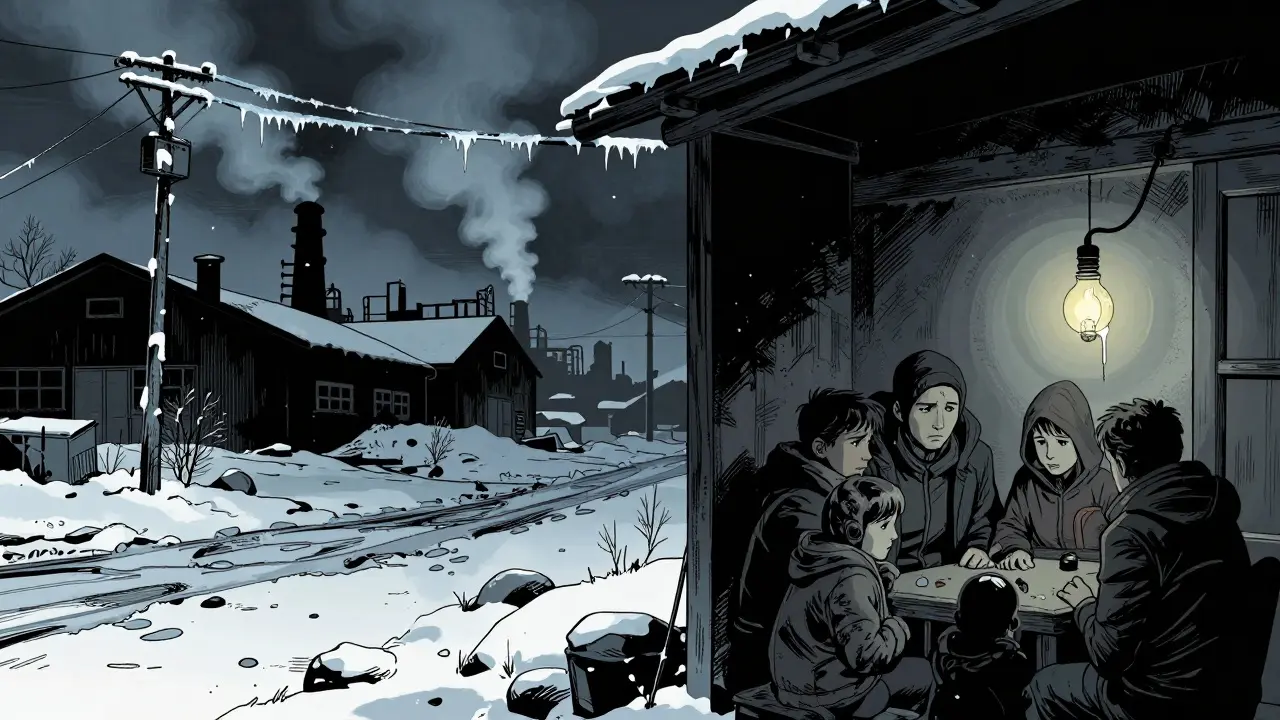
Imagine flipping a switch to save your home from freezing in the dead of winter, only to find out that half the power was being sucked away by silent machines crunching numbers for digital coins. That was the reality for many households in Kosovo during the winter of 2021-2022. The country faced a severe energy crisis, with rolling blackouts and skyrocketing costs. In response, the government took drastic action. On January 4, 2022, Kosovo implemented a complete ban on cryptocurrency mining. This wasn't just a minor policy tweak; it was one of the most decisive governmental crackdowns on crypto mining globally at that time.
The Energy Crisis That Sparked the Ban
To understand why the ban happened, you have to look at the context. Kosovo relies heavily on coal for its electricity generation. By late 2021, global fuel prices were surging due to post-pandemic recovery pressures and geopolitical tensions, particularly following the ban on fossil fuel exports from several EU countries. The national grid was under immense strain. Simultaneously, Bitcoin mining had boomed in the region. Why? Because electricity was relatively cheap compared to Western Europe or the United States. Miners flocked to Kosovo, setting up warehouses filled with high-energy ASIC miners.
The situation reached a breaking point in December 2021 when the government declared a state of emergency. Citizens were facing daily power cuts, while industrial-scale mining operations continued to drain the grid. Artane Rizvanolli, then the Minister of Economy, announced that the production of cryptocurrency would be banned entirely. The logic was simple: prioritize human needs over speculative digital assets. The ban targeted proof-of-work mining processes, which are notoriously energy-intensive, consuming significant portions of Kosovo’s limited electricity supply.
How the Government Enforced the Restrictions
A ban on paper is one thing; enforcing it is another. The Kosovar government didn't just issue a statement and hope for compliance. They launched a multi-phase enforcement strategy involving police, customs authorities, and energy regulators. Law enforcement agencies were tasked with monitoring electricity consumption patterns. If a household or business showed usage spikes consistent with mining rigs but lacked legitimate industrial justification, they became targets.
The results were immediate and stark. In coordinated raids during the early months of 2022, authorities confiscated more than 300 bitcoin mining devices. These weren't small hobbyist setups; they were industrial-grade machines capable of generating significant heat and noise. The seizures demonstrated the scale of unauthorized mining that had been operating in the shadows. Customs officials also tightened border controls to prevent new equipment from entering the country illegally. This systematic approach showed that the government was serious about protecting its energy infrastructure.
The Northern Kosovo Complication
One specific challenge the government faced was the political and administrative complexity of northern Kosovo. This region has a Serbian majority population where citizens traditionally did not pay for electricity consumption due to non-integration into the central tax system. For crypto miners, this presented an irresistible opportunity: free, unlimited power. The government recognized that allowing mining in these areas would not only exacerbate the national energy crisis but also create a two-tier system where private profits were subsidized by public resources.
The Committee for Economy in the Assembly of Kosovo specifically addressed this issue. The ban encompassed all forms of cryptocurrency mining operations across the entire territory, including the northern municipalities. Efforts were made to ensure that the legislation framework closed loopholes that allowed exploitation of subsidized or unpaid electricity. This geographic focus reflected both energy conservation goals and broader efforts to integrate the northern regions into the national legal and economic framework.
| Aspect | Detail |
|---|---|
| Start Date | January 4, 2022 |
| Primary Reason | Severe energy crisis and electricity shortages |
| Enforcement Action | Confiscation of 300+ mining devices |
| Extension Mechanism | 60-day extension from August 1, 2022; renewable for 30-180 days |
| Current Status (2025) | Ban remains in effect; illegal except for alternative energy sources |

Extensions and Legislative Framework
The initial ban was intended as an emergency measure, but the energy crisis persisted. Consequently, the government built flexibility into the restrictions. From August 1, 2022, the ban was extended for an additional 60 days. More importantly, the legislation included provisions allowing the government to extend restrictions for periods ranging from 30 to 180 days depending on energy sector conditions. This adaptive approach acknowledged that energy supply challenges are dynamic, influenced by seasonal variations, international fuel prices, and infrastructure maintenance.
Beyond immediate enforcement, Kosovo began developing longer-term legislative frameworks. The goal was not just to punish miners but to regulate future cryptocurrency activities while prioritizing energy security. Plans included defining rules for cryptocurrency use within the territory, categorizing different types of cryptocurrencies, and establishing taxation frameworks. This indicated a recognition that cryptocurrency exists beyond just mining. However, the core prohibition on energy-intensive production remained firm. The proposed legislation aimed to ensure industry compliance with both local laws and international standards, such as anti-money laundering directives.
Global Context: Part of a Growing Trend
Kosovo’s actions did not happen in isolation. They followed China’s comprehensive cryptocurrency mining shutdown in 2021, which displaced nearly three-quarters of global Bitcoin mining capacity. Many miners fled to countries with cheaper energy, including those in Eastern Europe like Kosovo. Environmental organizations, such as Greenpeace USA, identified Kosovo’s 2022 restrictions as part of a growing global trend. Countries worldwide began implementing limits on energy-intensive Bitcoin mining to protect electrical grids and meet climate goals.
As of 2025, Kosovo maintains its position as one of eight countries worldwide with outright bans on cryptocurrency mining. This places it alongside nations that have taken hardline stances against crypto for various economic, environmental, and regulatory reasons. The timing of Kosovo’s ban coincided with increasing international awareness of cryptocurrency mining's environmental impact. It signaled a shift in how governments view the relationship between digital finance and physical infrastructure.

Impact on Investors and Everyday Users
The restrictions have had substantial economic and social impacts. For investors and traders, the legal barriers prevent access to potentially lucrative cryptocurrency markets within Kosovo. Engaging in crypto transactions or mining activities carries legal repercussions, significantly reducing investment opportunities. This has stifled the development of cryptocurrency-related businesses and services in the region. Startups looking to build fintech solutions based on blockchain technology face a hostile regulatory environment.
For everyday users, the ban means missing out on potential benefits. Cryptocurrencies can serve as alternative financial tools, offering access to global markets and faster transaction speeds. Perhaps most notably, the ban affects crypto-based remittance solutions. Kosovo has a significant diaspora population living abroad who send money back home. Traditional banking channels often involve high fees and slow processing times. Cryptocurrencies could offer a cheaper, faster alternative. However, the current legal framework prohibits these activities, leaving families reliant on traditional, often expensive, remittance services.
Future Outlook: Alternative Energy Exceptions
While the ban remains strict, there are signs of nuance in recent developments. Current regulations permit cryptocurrency production only when alternative electricity sources are utilized. This suggests a potential pathway for future mining operations that do not burden the national electrical grid. If a miner can prove their operation runs exclusively on solar, wind, or other renewable energy sources independent of the main grid, they might operate legally. This exception aligns with global sustainability trends and allows for innovation without compromising energy security for citizens.
However, the broader legal framework continues to classify general cryptocurrency activities as illegal, impacting various stakeholders. The government remains cautious, balancing the desire for technological advancement with the need to protect vulnerable populations from energy insecurity. As the global energy landscape evolves, Kosovo’s stance may adapt, but for now, the message is clear: energy security comes first.
Is cryptocurrency mining still illegal in Kosovo in 2026?
Yes, cryptocurrency mining remains largely illegal in Kosovo. The ban implemented in 2022 is still in effect. However, there are limited exceptions for operations powered exclusively by alternative energy sources that do not draw from the national grid.
Why did Kosovo ban crypto mining?
The ban was introduced due to a severe energy crisis. High demand from energy-intensive mining operations exacerbated electricity shortages and increased costs for households and businesses during the winter of 2021-2022.
What happens if I get caught mining crypto in Kosovo?
Authorities actively monitor electricity usage. If caught, you risk confiscation of your mining equipment and potential legal penalties. Police and customs have conducted raids seizing hundreds of devices since the ban began.
Can I use cryptocurrency for payments in Kosovo?
The broader legal framework classifies many cryptocurrency activities as illegal. While enforcement primarily targets mining, using crypto for transactions or remittances exists in a gray area and carries legal risks. There is no official recognition of crypto as legal tender.
How does Kosovo's ban compare to other countries?
Kosovo is one of only eight countries worldwide with an outright ban on cryptocurrency mining. This places it in a restrictive category similar to China and Algeria, driven by concerns over energy consumption and environmental impact.