How the IRGC Controls Unlicensed Crypto Mining in Iran
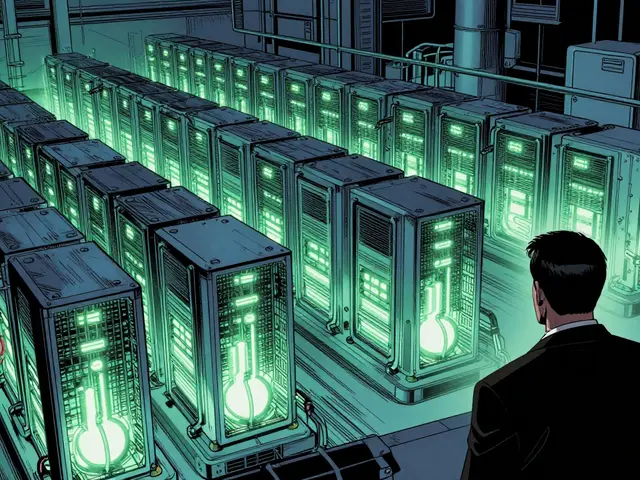
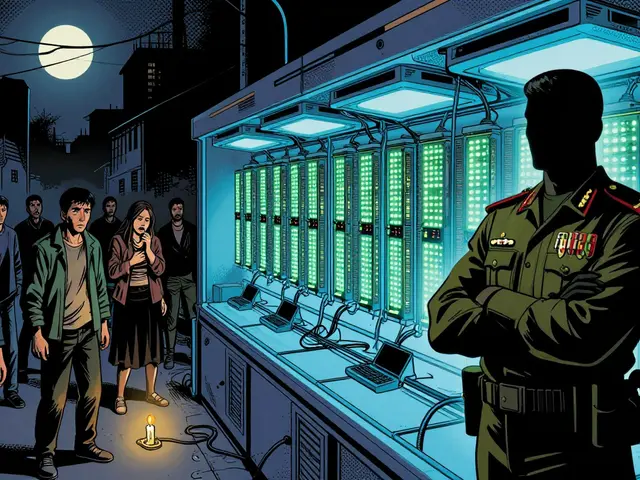
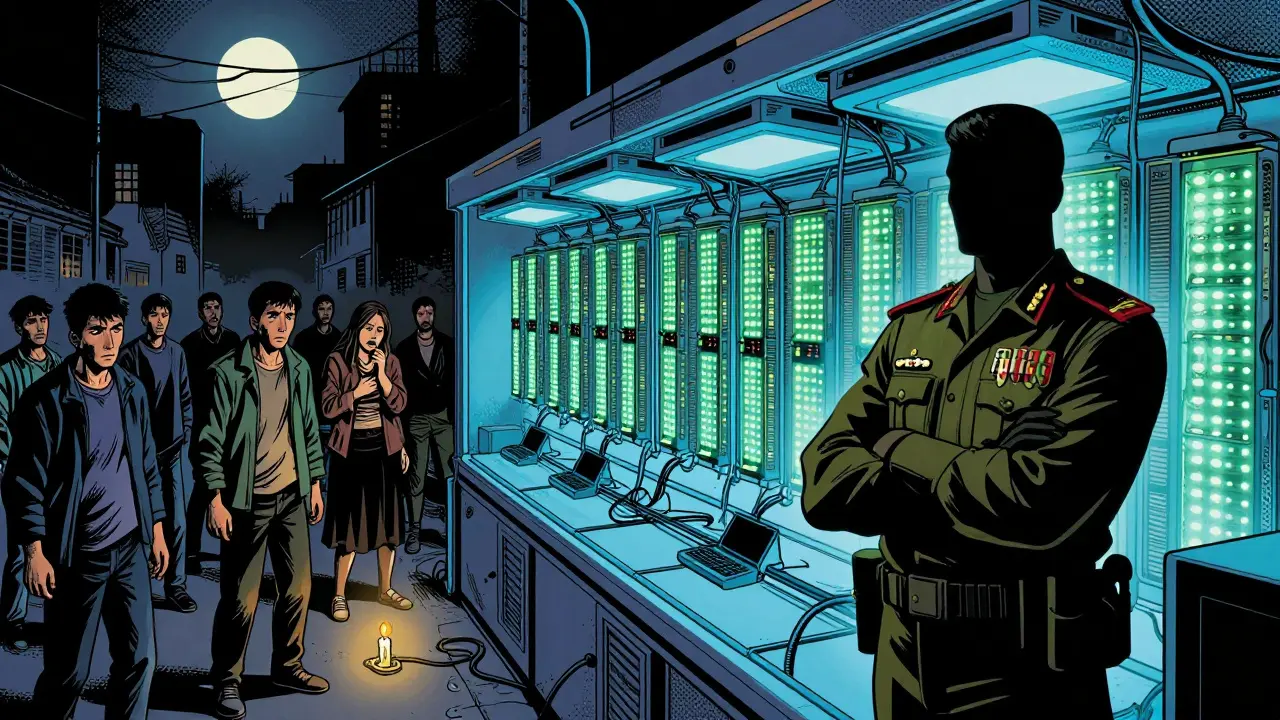
You might have heard about Iran’s power cuts. Lights go out for hours, sometimes days, leaving families in the dark and factories grinding to a halt. But here is the twist: while ordinary citizens sweat through blackouts, massive cryptocurrency mining farms are humming away in the background. Who is running them? And why do they seem immune to the rules that shut down everyone else?
The answer points directly to the Islamic Revolutionary Guard Corps (IRGC), which is a powerful paramilitary organization in Iran with significant influence over the country's economy and military. This isn't just about tech enthusiasts digging up Bitcoin in their garages. It is a state-sponsored operation designed to bypass international sanctions, exploit national energy resources, and consolidate financial power under military control.
The Rise of a Crypto Cartel
To understand how we got here, we need to look back at the late 2010s. Iran was facing tightening international sanctions that choked off access to global financial markets. The regime needed a way to generate hard currency without relying on traditional banking systems, which were heavily monitored by Western governments. Enter cryptocurrency.
By 2019 and 2020, reports emerged that Tehran’s most influential power groups had made significant inroads into the crypto mining sector. These moves weren't accidental; they were executed under direct orders from Supreme Leader Ali Khamenei. The goal was clear: compensate for losses in dollar channels due to sanctions. The IRGC collaborated with foreign partners, particularly Chinese companies, to set up large-scale mining operations. One glaring example is the 175-megawatt Bitcoin mining farm in Rafsanjan, Kerman Province. On paper, it looked like a joint venture between an IRGC-affiliated enterprise and foreign investors. In reality, it was a strategic asset fueled by Iran's extremely low electricity prices.
| Feature | Licensed Private Miners | IRGC-Controlled Operations |
|---|---|---|
| Electricity Cost | High tariffs (subsidy removed) | Free or heavily subsidized |
| Regulatory Oversight | Strict monitoring by Ministry of Industry | Minimal oversight; operates in special zones |
| Revenue Handling | Mandatory sale to Central Bank | Retained for private/military use |
| Legal Status | Formally licensed but financially strained | Gray area; quasi-state immunity |
Who Really Owns the Mines?
If you think the IRGC acts alone, you’re missing half the picture. The operation involves a network of entities directly controlled by the Supreme Leader. A key player here is Astan Quds Razavi, which is a massive religious foundation and charitable trust in Iran that manages vast economic assets. Along with other large bonyads (charitable trusts), these organizations have formed what investigators call a de facto "cryptocurrency monopoly group."
The scale is staggering. Estimates suggest there are approximately 180,000 mining devices active across Iran today. Of those, only about 80,000 are in private hands. That leaves roughly 100,000 units-more than half the total capacity-under the direct control of state or quasi-state organizations. This framework allows the regime to operate with a semblance of legitimacy while commandeering a vast share of the country’s energy grid.
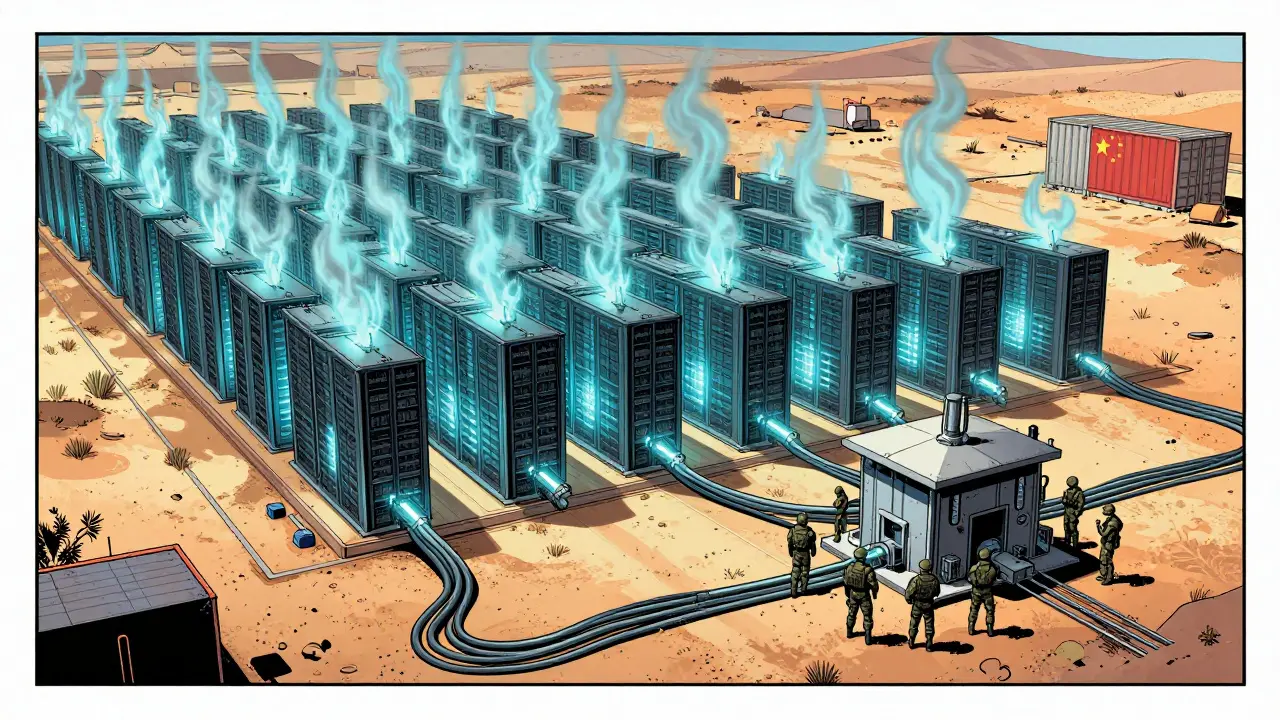
These operations are strategically located in special economic zones or military bases controlled by the IRGC. Here, they enjoy exclusive electricity supplies and operate far from the reach of civilian authorities. It’s not just about making money; it’s about creating a parallel financial infrastructure that answers only to the military-industrial complex.
The Energy Theft Crisis
Let’s talk about the cost. Not the financial cost to the miners-they often pay nothing-but the cost to the Iranian people. The operational advantage enjoyed by IRGC-linked mining stems from their ability to access effectively free electricity. In some cases, they simply refuse to pay utility bills entirely, backed by political connections and armed protection.
In 2022, the Iranian parliament quietly passed legislation allowing the military to establish private power plants and transmission lines. This was a game-changer. It enabled the IRGC to directly access subsidized electricity and even redirect public electricity resources originally intended for cities and industries toward their secret cryptocurrency mining farms. This infrastructure manipulation has contributed significantly to Iran’s ongoing energy crisis.
Energy Minister Ali Abadi, who himself is a former IRGC commander, acknowledged the severity of the situation. He likened unauthorized crypto mining to "putting a hand in others' pockets" and called it "an ugly and unpleasant theft." His background raises obvious questions about the government’s commitment to addressing mining operations run by his former organization. When the regulator comes from the same family as the violator, enforcement tends to be selective.
Sanctions Evasion via Blockchain
Why does the world care about Iranian crypto mining? Because it’s a vital tool for bypassing international sanctions. Blockchain analytics firms have identified Iran as one of the world’s major Bitcoin producers in recent years. The Associated Press reported that both the U.S. Treasury Department and Israeli intelligence have specifically targeted Bitcoin wallets tied to IRGC operations.
These wallets are reportedly used to fund proxy groups involved in regional conflicts. The sanctions evasion capability of cryptocurrency stems from two key features:
- Direct Transactions: Crypto exchanges occur directly between digital wallets without central oversight or intermediaries like banks.
- Anonymity: Two-way encryption enables parties to remain largely anonymous, unlike traditional bank transfers that leave clear audit trails.
This makes it incredibly difficult for Western governments to track where the money goes once it leaves the blockchain. For the IRGC, this is a lifeline. It allows them to maintain financial autonomy despite being cut off from the SWIFT banking system.

The Regulatory Cat-and-Mouse Game
The Iranian regime officially recognized cryptocurrency mining as a legal industry in 2019. Licensing is ostensibly managed by the Ministry of Industry, Mines, and Trade. However, this regulatory framework primarily serves to consolidate control for regime-affiliated entities rather than create genuine oversight.
Licensed miners face high energy tariffs and requirements to sell their digital assets directly to the Central Bank of Iran (CBI), which is the national bank responsible for managing Iran's monetary policy and currency.. These conditions have made mining financially unsustainable for many legitimate operators. Consequently, a significant portion of Iran’s mining activities have been driven underground.
Recent developments show the state’s desire to control, not eliminate, crypto. On December 27, 2024, the CBI implemented programs that blocked all Iranian cryptocurrency-to-rial payments through internet websites within Iran. Yet, by January 2025, the central bank began selectively unblocking exchanges using their own government API system. This system provides full access to user data, indicating the state wants to monitor and tax crypto flows while keeping the profits within its grasp.
Ordinary Iranians are caught in the middle. Many circumvent restrictions by utilizing virtual private networks (VPNs) to access foreign exchanges like Nobitex, avoiding local scrutiny. Meanwhile, industrial-scale ASIC miners consume electricity on an industrial scale, directly contributing to debilitating power outages across Iranian cities.
Conclusion: A Two-Tiered System
The current status of unlicensed IRGC cryptocurrency mining represents an ongoing challenge to Iran’s energy infrastructure and civilian welfare. The military-industrial complex’s cryptocurrency operations continue to expand despite official rhetoric about cracking down on unauthorized mining. The combination of political protection, armed enforcement, and direct access to subsidized electricity ensures that IRGC mining operations remain largely immune to the regulatory pressures applied to private miners.
This perpetuates a two-tiered system where state actors exploit national resources for private gain while ordinary citizens face energy shortages and economic hardship. Until the underlying power dynamics shift, the lights may stay on in the mining farms, even if they go out in your home.
Is cryptocurrency mining illegal in Iran?
Mining itself is not strictly illegal, but it is heavily regulated. The government requires licenses, imposes high electricity tariffs, and mandates that mined coins be sold to the Central Bank. However, many operations, particularly those linked to the IRGC, operate in a gray area or illegally by stealing subsidized electricity, leading to widespread power outages.
How does the IRGC benefit from crypto mining?
The IRGC benefits by generating hard currency (Bitcoin) to bypass international sanctions. They use their political power to access cheap or free electricity, allowing them to mine profitably while avoiding the costs that bankrupt private miners. This revenue helps fund military operations and proxy groups abroad.
What is Astan Quds Razavi's role in this?
Astan Quds Razavi is a massive religious foundation under the supervision of the Supreme Leader. It controls vast economic assets and has partnered with the IRGC to form a "crypto cartel," operating large-scale mining farms that consume significant portions of Iran's national electricity supply.
Why are there power outages in Iran related to crypto?
Industrial-scale Bitcoin mining requires immense amounts of electricity. IRGC-controlled mines divert power from the civilian grid, often without paying for it. During peak demand or summer months, this strain causes the grid to fail, resulting in blackouts for homes and businesses.
Can ordinary Iranians mine cryptocurrency legally?
Technically yes, but it is economically difficult. Licensed miners must pay high electricity rates and sell their earnings to the Central Bank. Most private miners find it unsustainable compared to state-backed entities that enjoy subsidies and exemptions.