Crypto Trading Risks for Bangladesh Citizens: Legal & Financial Reality
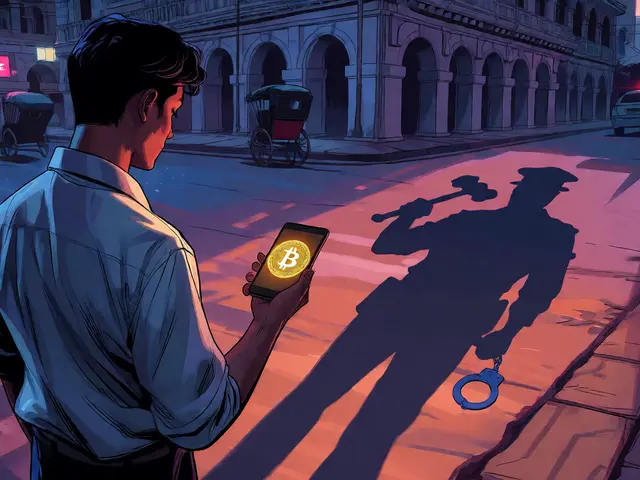
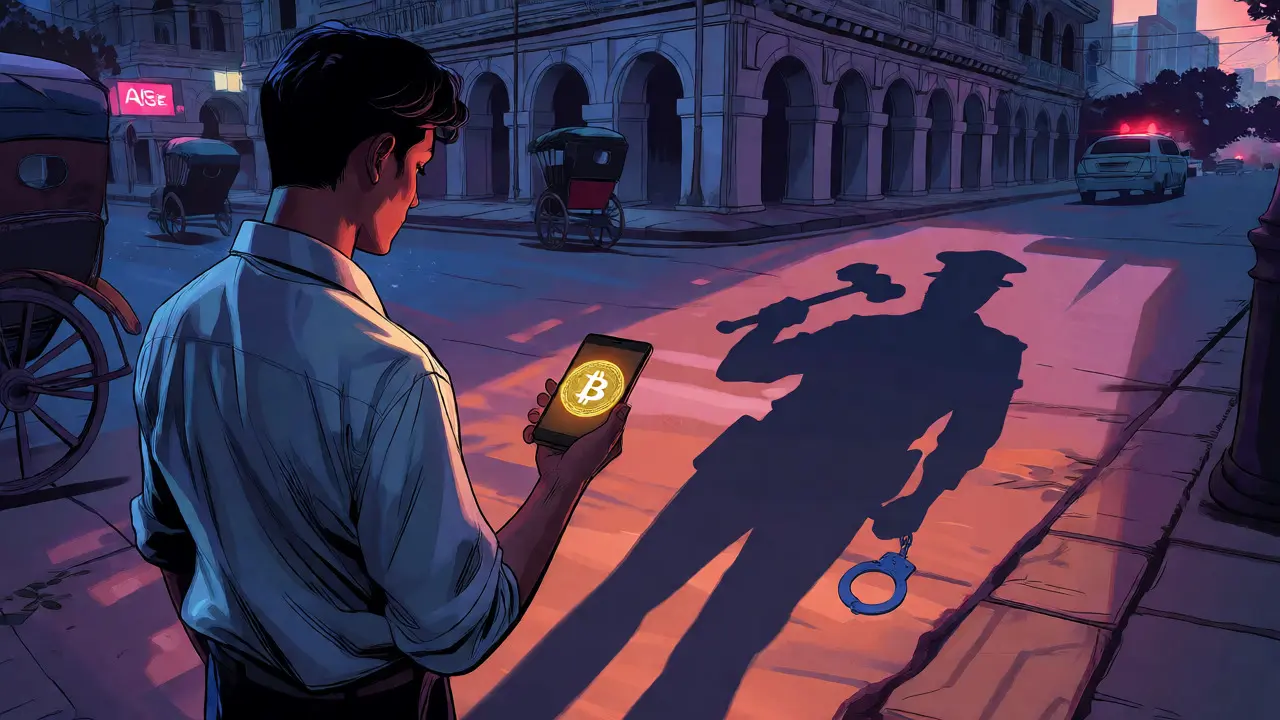
Imagine buying a cup of coffee in Dhaka with Bitcoin and waking up to a court summons. For citizens of Bangladesh, this isn't a hypothetical nightmare-it's the legal reality. While the rest of the world debates whether crypto is the future of money, Bangladesh has slammed the door shut. The central bank declared all cryptocurrency activities illegal back in 2017, yet thousands of locals still trade in the shadows. Why? Because the allure of quick gains often blinds people to the massive legal and financial cliffs they are walking toward.
If you live in Bangladesh or plan to invest there, you need to understand that the risk profile here is unlike anywhere else in South Asia. You aren't just risking market volatility; you are risking your freedom, your banking access, and your savings. This guide breaks down exactly what happens when you try to trade crypto in one of the most restrictive environments on the planet.
The Ironclad Ban: What Is Actually Illegal?
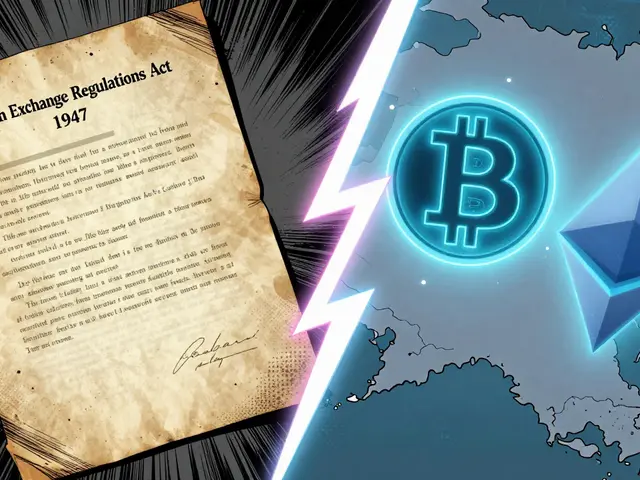
Let's cut through the noise. In Bangladesh, cryptocurrency is not "regulated"-it is banned. The Bangladesh Bank issued a circular in February 2017 declaring that any transaction involving virtual currencies like Bitcoin or Ethereum violates the Foreign Exchange Regulation Act and the Money Laundering Prevention Act. There is no gray area. Possession, trading, mining, and even holding digital assets are technically offenses.
Why such a hard stance? The government fears two things: capital flight and money laundering. They worry that if everyone starts moving money into decentralized networks, the local currency, the Bangladeshi Taka (BDT), will lose its value and control. Plus, the country suffered badly from Ponzi schemes in the early 2000s, so regulators view any new financial instrument with extreme suspicion.
As of October 2026, there have been no signs of relaxation. In fact, the 2025 regulatory framework tightened the screws further, introducing stricter biometric checks that make it harder to hide your identity when moving funds internationally. If you are caught trading, you could face fines or imprisonment under anti-money laundering laws. It’s not just a slap on the wrist.
The Underground Market: How People Trade Anyway
So, if it’s illegal, why do you see Telegram groups full of Bangladeshi traders posting charts? Human nature finds a way. An underground economy has sprung up, operating entirely off the books. Most citizens don’t use regulated exchanges because those require KYC (Know Your Customer) documents that link directly to their national ID. Instead, they rely on two main methods:
- Local Agents: These are middlemen who buy and sell USDT (Tether) or Bitcoin using cash. You hand them BDT, they send you crypto. No bank trail, but high fees and huge scam risks.
- P2P Platforms: Traders use international apps like Binance P2P or Bybit, paying via bKash or Nagad. Banks often flag these transactions as "suspicious," leading to account freezes.
This shadow market is booming. Reports suggest that offshore stablecoin platforms saw a 200% increase in BDT deposits recently. But remember, because this market is unregulated, you have zero protection. If your agent runs away with your money, there is no police station you can go to. You can’t file a complaint because admitting you were trading crypto is an admission of guilt.
Financial Risks: More Than Just Price Drops
In the US or Europe, the biggest risk in crypto is price volatility. In Bangladesh, the risks are structural. Let’s look at the specific dangers you face:
| Risk Factor | Regulated Country (e.g., India) | Bangladesh (Banned) |
|---|---|---|
| Legal Status | Legal, Taxed (30%) | Illegal, Criminal Offense |
| Bank Access | Open, Integrated | Risk of Account Freeze/Closure |
| Fraud Recourse | Courts & Consumer Protection | None (Underground) |
| Tax Clarity | Clear Rules | Unclear, Potential Retroactive Penalties |
| Exit Liquidity | High, Instant | Low, Dependent on Agent Availability |
The table above highlights the stark difference. When you trade in Bangladesh, you are taking on "regulatory arbitrage" risk. You might get good prices now, but one major enforcement crackdown could wipe out your ability to cash out. Imagine having $10,000 in Bitcoin, but every time you try to convert it to BDT via a local agent, they offer a terrible rate because they know you’re desperate to exit before the next raid.
The Banking Trap: Freezes and Scrutiny
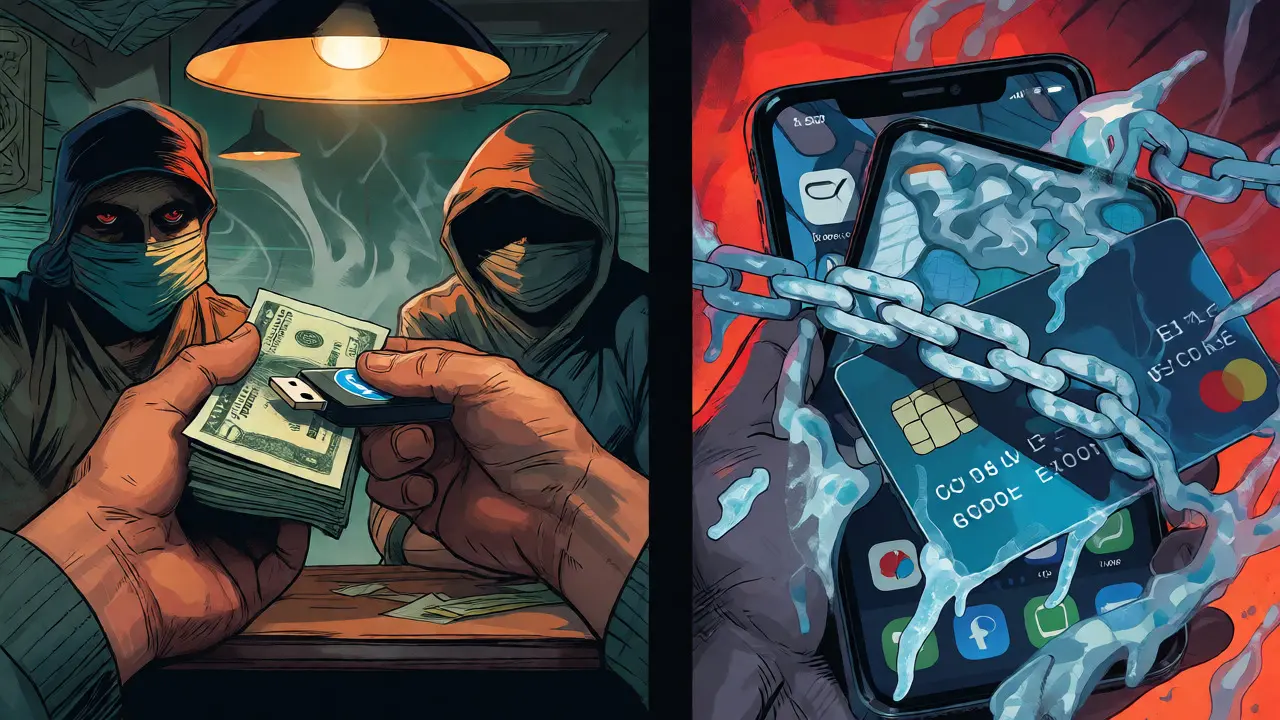
Your bank is your biggest enemy if you trade crypto. Banks in Bangladesh are terrified of the central bank. If they detect frequent transfers to known crypto-related merchants or unusual patterns consistent with P2P trading, they may freeze your account pending investigation. This doesn’t mean you go to jail immediately, but your money gets stuck. You can’t pay rent, you can’t travel, and you can’t access your savings until you prove the source of funds-which is tricky when the activity itself is illegal.
Furthermore, using credit cards for crypto purchases is risky. International card transactions are tracked closely. If your bank sees charges from "Coinbase" or "Binance," they may block your card for "foreign exchange violations." Many users report losing access to their primary payment methods simply because they tried to buy $50 worth of Ethereum.
Taxation Paradox: Paying Taxes on Illegal Income
Here is a confusing twist: Even though crypto is banned, the National Board of Revenue (NBR) expects you to pay income tax on any profits you make. Under the Income Tax Ordinance of 1984, any gain is taxable. So, you face a paradox. If you declare your crypto profits, you admit to participating in an illegal activity. If you don’t declare them, you commit tax evasion. Most traders choose silence, hoping they fly under the radar. But as digital footprints grow, the NBR is getting better at spotting unexplained wealth increases linked to digital asset sales.
Social and Psychological Toll
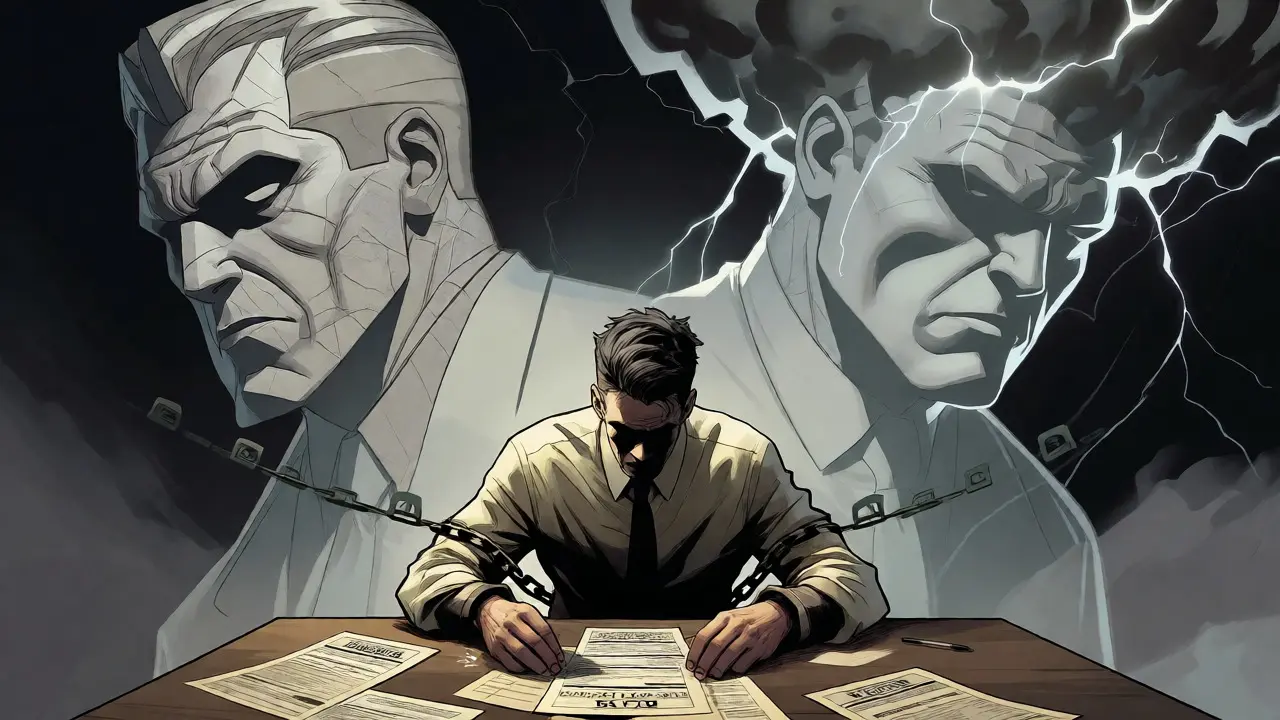
Trading in secret creates stress. You can’t tell your family about your investments without worrying they might mention it to neighbors who might report you. You can’t easily withdraw large sums without raising eyebrows. This isolation makes it hard to seek advice or help during market crashes. When Bitcoin drops 20%, a trader in New York calls his broker. A trader in Chittagong panics, unsure if he should sell to an agent who might be lying about the price, all while checking over his shoulder for authorities.
Future Outlook: Will It Ever Change?
Don’t hold your breath. Neighboring countries like Pakistan are exploring crypto reserves, and India has created a clear tax framework. Bangladesh remains stubborn. The government views blockchain technology as potentially useful for record-keeping but rejects cryptocurrencies as money. Until there is a major shift in economic policy or political leadership, the ban will likely stay. Experts predict that instead of legalization, we might see more sophisticated surveillance tools used to catch violators, rather than a change in the law itself.
Key Takeaways
- Total Prohibition: Buying, selling, and holding crypto is illegal in Bangladesh.
- No Recourse: If you get scammed by a local agent, you cannot sue them.
- Banking Risk: Frequent crypto-related transactions can lead to account freezes.
- Tax Ambiguity: You may owe taxes on profits from an illegal activity.
- Underground Costs: Spreads and fees in the black market are significantly higher than global averages.
Frequently Asked Questions
Is owning Bitcoin illegal in Bangladesh?
Yes, according to the Bangladesh Bank, dealing in virtual currencies is illegal. While possession alone hasn't always led to immediate arrest, it falls under prohibited activities related to foreign exchange and money laundering regulations. It is safer to assume any involvement carries legal risk.
Can I use Binance in Bangladesh?
Technically, you can download and use the app, as it is available on app stores. However, using it involves transferring money out of the country or using local P2P agents, both of which violate local financial regulations. You are using it at your own risk, outside the legal framework.
What happens if my bank freezes my account due to crypto?
Your funds will be held pending investigation. You will need to provide documentation explaining the source and purpose of the transactions. Since crypto is banned, banks may classify these as unauthorized foreign exchange transactions, requiring you to resolve the issue with compliance officers before accessing your money.
Are there any legal alternatives to crypto in Bangladesh?
Currently, no official Central Bank Digital Currency (CBDC) is fully operational for public trading. Traditional investments like stocks (DSE), gold, and real estate remain the legally safe avenues for growing wealth. Mobile financial services like bKash and Nagad are popular but are fiat-based, not crypto-based.
Do I have to pay tax on crypto profits?
Legally, yes. Any income generated is subject to the Income Tax Ordinance. However, because the underlying activity is illegal, many traders do not report it. This creates a double risk: potential prosecution for illegal trading and potential penalties for tax evasion if discovered.