Crypto Exchanges for Iranian Citizens in 2026: Safe Platforms & Sanctions Guide
For millions of Iranians, cryptocurrency is not just an investment trend; it is a lifeline. With traditional banking channels blocked by international sanctions and the local currency facing volatility, digital assets have become the primary method for preserving wealth and accessing global markets. However, navigating this landscape in 2026 requires more than just picking a platform with low fees. You need to understand the shifting tides of regulatory enforcement, security risks, and the specific platforms that still welcome users from Tehran to Isfahan.
The environment has changed dramatically since early 2025. What was once a relatively open field for domestic exchanges has tightened due to coordinated sanctions enforcement and major security breaches. If you are looking to trade, hold, or transfer funds, knowing which exchanges remain accessible-and safe-is critical to protecting your capital.
The Shift in the Iranian Crypto Landscape
To understand where you can trade today, you must first look at what happened recently. The year 2025 marked a turning point for Iranian cryptocurrency users, who rely on these tools for financial survival. The market serves over 11 million active participants, but their infrastructure faced severe stress tests.
In July 2025, Tether executed its largest-ever freeze of Iranian-linked funds, targeting 42 specific cryptocurrency addresses. More than half of these frozen wallets had significant exposure to Nobitex, the dominant domestic exchange. This action disrupted established transaction patterns and forced a rapid diversification in how users settle trades. Many users were urged to move away from USDT (Tether) toward DAI on the Polygon network to avoid future freezes while maintaining access to liquid stablecoins.
This event highlighted a crucial reality: centralized exchanges holding fiat-pegged tokens like USDT are vulnerable to geopolitical pressure. As a result, many Iranian traders have shifted toward decentralized finance (DeFi) protocols or exchanges that do not strictly enforce Know Your Customer (KYC) rules for smaller accounts, though this comes with its own set of risks.
Top International Exchanges Accepting Iranian Users
While domestic options exist, many Iranian citizens prefer international platforms for their broader selection of cryptocurrencies, competitive fees, and advanced trading features. However, "accepting" Iranian users often means operating in a gray area. These platforms may not explicitly ban you, but they might restrict certain features or monitor accounts closely.
| Exchange | Min. Deposit | Crypto Supported | Spot Maker Fee | Key Feature |
|---|---|---|---|---|
| MEXC | $30 | 196+ | 0.2% | High liquidity, minimal KYC for basic trading |
| Bitsgap | No minimum | 673+ | Variable* | Trading bot automation, connects to other exchanges |
| XT.com | $10 | 1,010+ | 0.2% | Huge altcoin selection, no strict KYC initially |
| LATOKEN | $1 | 475+ | 0.49% | User-friendly interface, low entry barrier |
| CoinEx | $1 | 475+ | 0.49% | Reliable history, strong privacy focus |
MEXC currently ranks highest among international options for Iranian users, scoring a 9.1 in recent evaluations. It offers a low barrier to entry with a $30 minimum deposit and supports nearly 200 cryptocurrencies. Its appeal lies in its streamlined process for basic spot trading without immediate heavy KYC requirements, though larger withdrawals may trigger verification.
XT.com is another strong contender, particularly for those interested in obscure altcoins. With over 1,000 supported coins, it caters to traders looking for high-risk, high-reward opportunities. The $10 minimum deposit makes it accessible for small-scale investors.
Bitsgap operates differently as a trading automation platform. It doesn’t hold your funds directly but connects to other exchanges via API keys. This can be a smart workaround for Iranian users who want to use advanced bots but keep their assets on more secure, non-custodial wallets or exchanges that are less likely to freeze accounts.
The Domestic Giant: Nobitex and Its Challenges
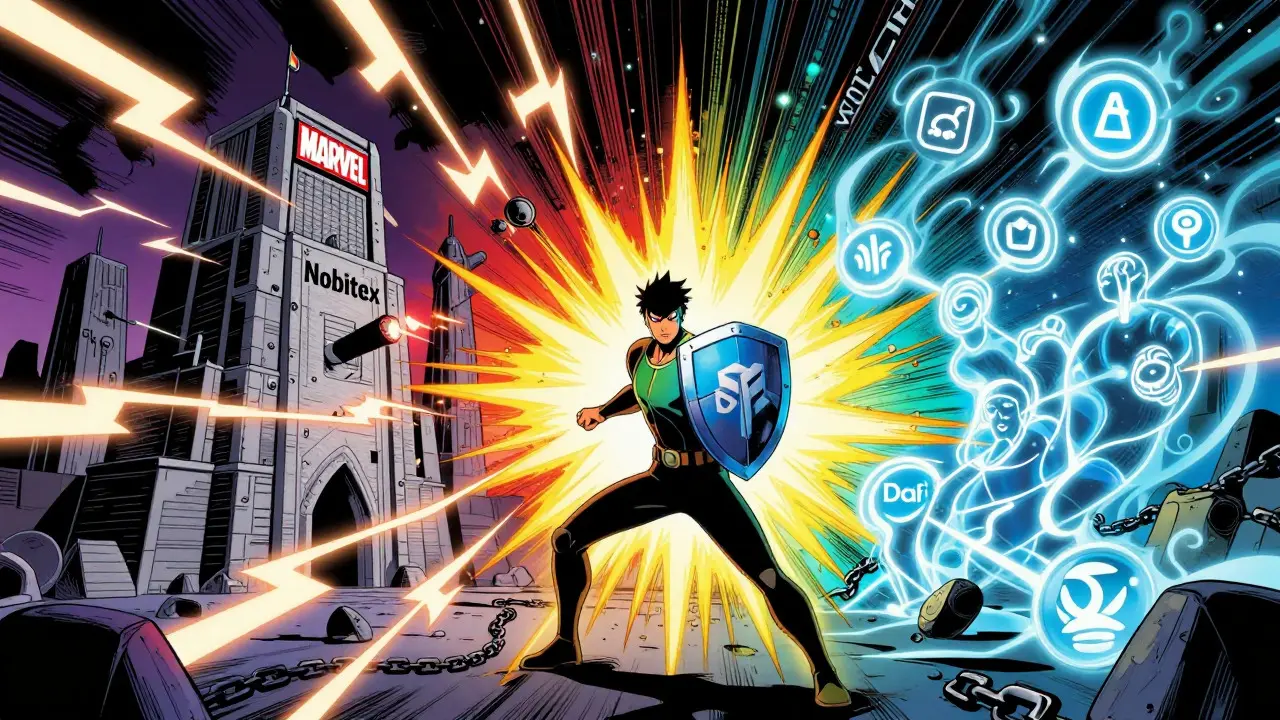
You cannot discuss crypto in Iran without mentioning Nobitex. Founded as the country's largest domestic exchange, it handles more than 87% of all cryptocurrency transactions within Iran. For many locals, it remains the most convenient option because it allows direct deposits in Iranian Rials (IRR) through local bank transfers, bypassing the need for foreign currency conversion.
However, using Nobitex in 2026 carries significant weight. In June 2025, the exchange suffered a massive security breach, losing over $90 million in assets. While the platform recovered, the incident exposed vulnerabilities in its security infrastructure. More importantly, blockchain intelligence firms linked Nobitex to networks associated with sanctions evasion, leading to its designation as a sanctioned entity by some Western authorities.
If you use Nobitex, you are participating in a system that is under intense scrutiny. The advantage is ease of use and local support; the disadvantage is the risk of asset freezes if the exchange’s connections to sanctioned entities deepen. Many experts recommend using Nobitex only for short-term holding-buying crypto with Rials and immediately transferring it to a personal cold wallet or an international exchange.
Regulatory Changes: The New Tax Reality
A major development for Iranian traders occurred in August 2025 with the enactment of the Law on Taxation of Speculation and Profiteering. This legislation marked the first time the Iranian government imposed a capital gains tax on cryptocurrency trading.
Crypto is now treated similarly to gold, real estate, and forex. While the implementation is phased to allow the market to adapt, it signals a shift from tolerance to active regulation. You should expect stricter reporting requirements from domestic exchanges like Nobitex in the coming months. This means your trading activity may be more visible to local authorities, adding another layer of compliance to consider when choosing a platform.

Strategies for Safer Trading in 2026
Given the volatility of sanctions and regulatory enforcement, here are practical steps to protect your assets:
- Diversify Stablecoins: After the July 2025 Tether freezes, many users moved from USDT to DAI. DAI is a decentralized stablecoin pegged to the dollar, making it less susceptible to corporate freezing actions. Use networks like Polygon for faster, cheaper transactions.
- Use Non-Custodial Wallets: Never leave large amounts of crypto on any exchange, domestic or international. Use hardware wallets (like Ledger or Trezor) or reputable software wallets (like Trust Wallet) to store your long-term holdings. This puts you in control of your private keys.
- Leverage DeFi Protocols: Decentralized Finance platforms like Uniswap or PancakeSwap do not require KYC and are not subject to central authority freezes. You can swap tokens directly from your wallet, though you must be careful to connect via privacy-focused browsers to avoid IP-based restrictions.
- Start Small on International Exchanges: When testing platforms like MEXC or XT.com, start with small deposits. Verify that you can withdraw funds smoothly before committing larger sums. Be prepared for potential account reviews if your trading volume spikes suddenly.
- Monitor Regulatory News: The landscape changes quickly. Keep an eye on announcements from both the Iranian Ministry of Economic Affairs and international bodies like the US Treasury Department regarding new sanctions lists.
Conclusion: Navigating the Gray Zone
There is no perfect solution for Iranian crypto traders in 2026. Domestic exchanges offer convenience but face security and sanction risks. International exchanges offer better technology and asset variety but come with the threat of account restrictions. The key is balance. Use domestic platforms for on-ramping (converting Rials to crypto), move assets to secure personal wallets for storage, and use international exchanges or DeFi protocols for trading and diversification.
Stay informed, prioritize security, and always assume that any centralized platform could change its policies overnight. By keeping your funds decentralized and staying agile, you can continue to leverage cryptocurrency as a vital financial tool despite external pressures.
Can I use Binance as an Iranian citizen?
Officially, Binance restricts users from sanctioned countries, including Iran. While some users have accessed it via VPNs, there is a high risk of account suspension and fund freezing if your identity is verified. It is generally safer to use exchanges like MEXC or XT.com that have looser restrictions, or to use decentralized exchanges (DEXs).
Is Nobitex safe to use after the 2025 hack?
Nobitex has implemented stronger security measures post-hack, but it remains a target due to its size and role in sanctions evasion. It is safe for daily trading and converting Rials, but experts advise against storing large amounts of crypto on the platform long-term. Always transfer significant holdings to a private wallet.
Why did Tether freeze Iranian wallets in 2025?
Tether froze 42 addresses linked to Iranian users and entities, including those connected to Nobitex, as part of compliance with international sanctions. This action targeted funds believed to be used for sanctions evasion. It highlights the risk of holding centralized stablecoins like USDT in sanctioned jurisdictions.
What is the best stablecoin for Iranian users now?
DAI is increasingly preferred over USDT by Iranian traders following the 2025 freezes. DAI is a decentralized stablecoin, meaning it is not controlled by a single company that can freeze assets. Using DAI on the Polygon network also ensures lower transaction fees and faster speeds.
Do I need to pay taxes on crypto profits in Iran?
Yes. Since August 2025, the Law on Taxation of Speculation and Profiteering imposes capital gains tax on cryptocurrency trading in Iran. The government treats crypto similar to gold and forex. Expect phased implementation and stricter reporting from domestic exchanges.