Crypto Mining Regulations in Pakistan: A Complete Guide to the 2025 Framework
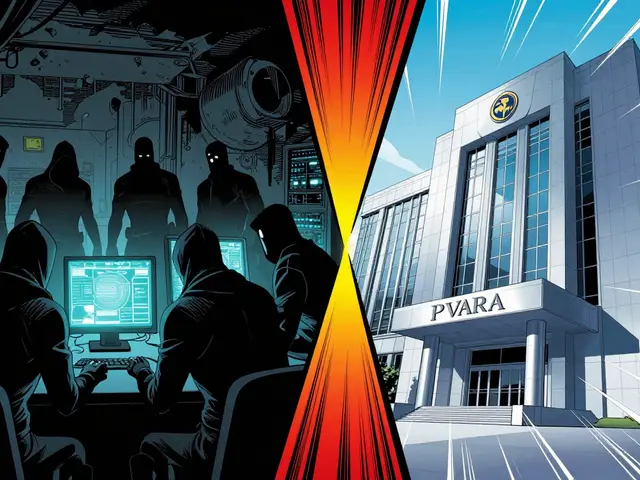
For years, if you tried to mine cryptocurrency in Pakistan, you were essentially operating in the shadows. The State Bank of Pakistan (SBP) treated digital assets with suspicion, and banking channels remained largely closed to miners. But as of mid-2026, that landscape has shifted dramatically. The government has moved from ambiguity to a structured regulatory framework, inviting global and local players to participate legally. If you are looking to set up mining operations or understand the rules governing this sector, the details matter more than ever.
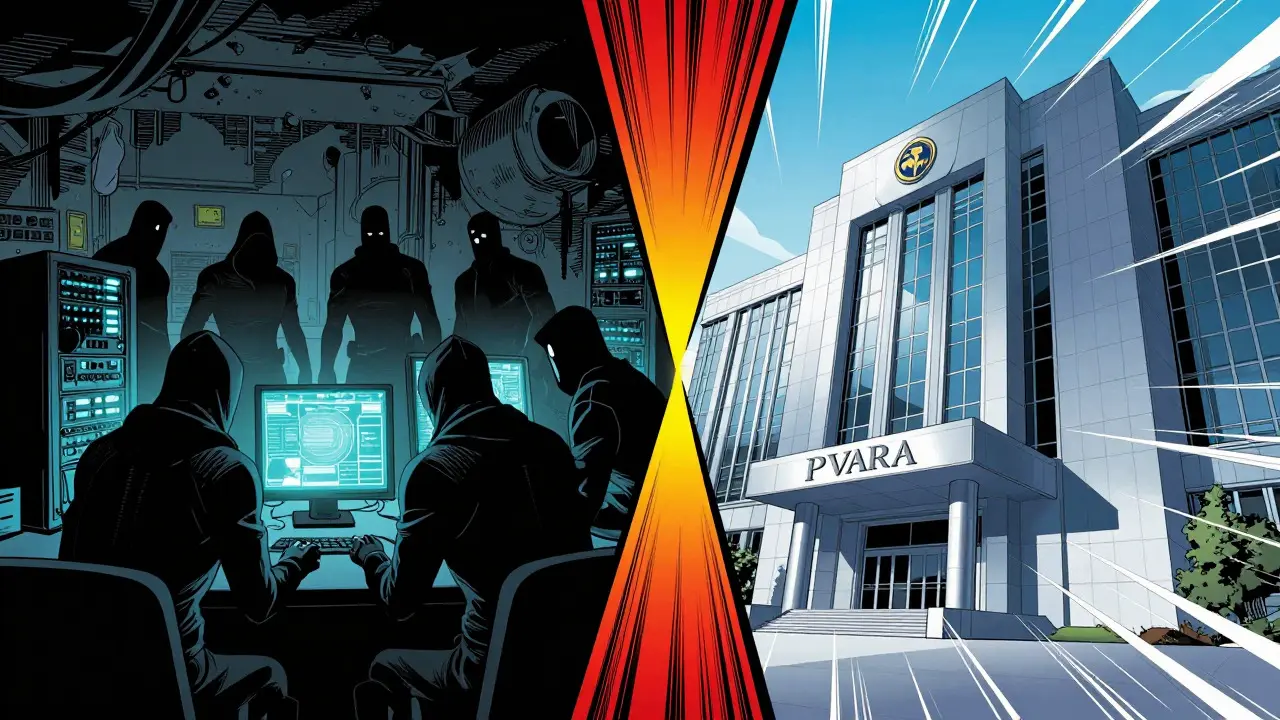
The core of this change is the Virtual Assets Act, 2025, enacted in July 2025, which established the Pakistan Virtual Asset Regulatory Authority (PVARA) as the autonomous federal regulator for all virtual asset activities. This isn't just paperwork; it’s a strategic pivot. Pakistan aims to leverage its excess power capacity to become a significant player in the global mining network. However, navigating the new licensing, taxation, and energy requirements requires precision. Here is what you need to know about the current state of crypto mining regulations in Pakistan.
From Grey Area to Regulated Industry
Before diving into the specifics, it helps to understand where we came from. Until recently, Pakistan existed in a 'legal grey area.' On one hand, the Pakistan Crypto Council (PCC), led by Minister Bilal bin Saqib, actively promoted blockchain adoption. On the other, the SBP maintained that cryptocurrencies were not legal tender and prohibited banks from dealing in them. This contradiction created operational nightmares for miners who couldn't easily access banking services for their hardware purchases or revenue withdrawals.
The passage of the Virtual Assets Act in July 2025 resolved much of this tension by creating a clear legal pathway. PVARA now oversees everything from exchanges to mining pools. The authority was designed to align Pakistan with international standards, specifically those set by the Financial Action Task Force (FATF), the International Monetary Fund (IMF), and the World Bank. This alignment is crucial because it signals to foreign investors that Pakistan is serious about compliance, reducing the risk of sanctions or isolation.
However, the transition hasn't been without friction. In early July 2025, the IMF raised objections regarding subsidized electricity tariffs for miners, fearing fiscal risks and strain on the national grid. While consultations are ongoing, the government has proceeded with the framework, indicating a strong political will to establish Pakistan as a mining hub despite external caution.
The Electricity Allocation: 2,000 MW for Mining
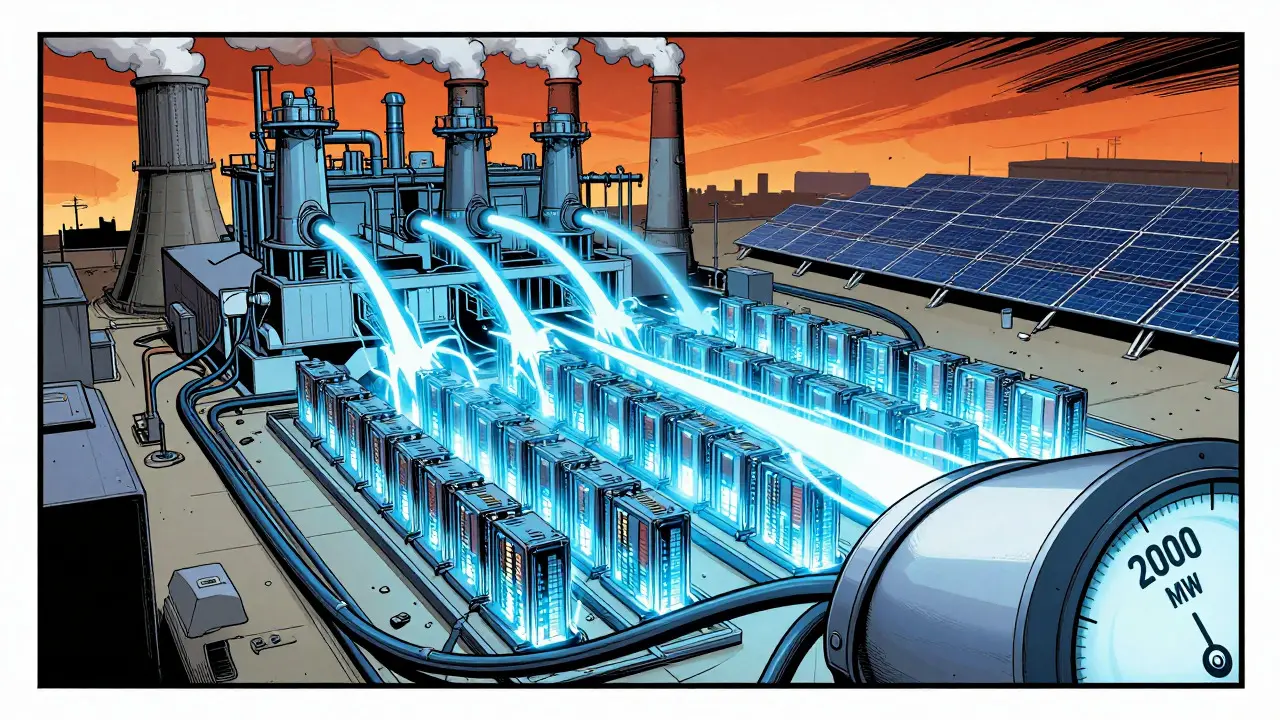
The most tangible benefit for miners is the energy policy. In August 2025, the government announced the allocation of 2,000 megawatts (MW) of electricity specifically for Bitcoin mining and AI data centers. This is a massive commitment. To put it in perspective, if deployed efficiently using modern ASIC miners with an efficiency of 30-40 joules per terahash, this capacity could contribute over 60 exahashes per second (EH/s) to the global Bitcoin network.
Where does this power come from? It’s not being generated from scratch. The strategy relies on utilizing surplus energy from underutilized coal-based power stations and regions with lower demand due to economic shifts. Many small and medium enterprises (SMEs) have switched to cheaper solar alternatives, leaving grid capacity available. By repurposing this excess power, the government aims to monetize idle infrastructure without increasing the carbon footprint significantly.
| Metric | Value/Detail |
|---|---|
| Total Electricity Allocation | 2,000 Megawatts (MW) |
| Target Hash Rate Contribution | >60 EH/s (Bitcoin Network) |
| Power Source Type | Surplus from coal plants & low-demand regions |
| Minimum Connection Requirement | 500 kW (Industrial Tariff) |
| Renewable Energy Target (by 2027) | At least 70% renewable or repurposed energy |
It is critical to note that residential subsidies are off-limits. PVARA guidelines explicitly prohibit mining operations from using subsidized residential electricity rates. All commercial mining facilities must operate on industrial tariffs with a minimum connection of 500 kW. This rule addresses the IMF's concerns about fiscal leakage and ensures that mining competes fairly within the industrial sector.
Licensing Requirements and PVARA Compliance
You can no longer just plug in miners and hope for the best. The PVARA requires a comprehensive licensing process for any entity classified as a Virtual Asset Service Provider (VASP), which includes 'block reward mining' operations. The application process is rigorous and demands detailed submissions.
To obtain a license, applicants must demonstrate:
- Technology and Security Standards: Proof of robust cybersecurity measures to protect hardware and data.
- Hash Rate Capacity: Expected output metrics to justify the energy allocation.
- Energy Consumption Metrics: Detailed plans for power usage and efficiency.
- Compliance Track Record: Evidence of adherence to anti-money laundering (AML) and know-your-customer (KYC) norms.
- Business Model: A Pakistan-specific plan that addresses environmental impact and local economic contribution.
There is also a high barrier to entry for international firms. To qualify for PVARA licensing, foreign crypto mining companies must already be licensed by recognized regulators such as the US SEC, UK FCA, EU VASP framework, UAE's VARA, or Singapore's MAS. This prioritizes established, compliant players over unverified startups, aiming to bring institutional quality to the Pakistani market.
The implementation is phased. Phase 1 (Q3-Q4 2025) focused on major international operations with hash rates exceeding 1 EH/s. Phase 2, scheduled for Q1 2026, opens licensing to domestic small-scale miners with a minimum capacity of 100 PH/s. This staggered approach allows regulators to manage grid load and oversight capacity effectively.
Taxation Policies for Miners
Taxation is often the most confusing part of crypto regulation, but Pakistan has made it relatively straightforward. Under the 2025 reforms, income derived from mining activities is taxed as regular income. This means your mined coins are valued at fair market value on the day they are received, and that value is added to your annual taxable income.
The progressive tax rates are as follows:
- 5% for income up to ₨600,000
- Rates increase progressively for higher brackets
- 35% for income over ₨12 million
If you decide to sell the mined cryptocurrency, capital gains tax applies. There is a flat 15% tax rate on capital gains from selling mined crypto. All mining income must be reported in Form IT-1, with an annual filing deadline of September 30. Starting mid-2025, PVARA shares transaction data directly with the Federal Board of Revenue (FBR), ensuring transparency and reducing the likelihood of audit evasion.
This structure eliminates the previous uncertainty where miners didn't know how to declare their earnings. By treating mining income like salary or business profit, the FBR integrates crypto into the existing tax infrastructure, making compliance easier for accountants and taxpayers alike.
Environmental and Shariah Considerations
Pakistan is a diverse society with specific cultural and religious considerations. The regulatory framework acknowledges this by including provisions for Shariah-compliant mining operations through regulatory sandboxes. This addresses concerns from conservative segments of the population who previously viewed crypto as speculative or non-compliant with Islamic finance principles. By offering a compliant pathway, the government broadens the potential investor base and social acceptance.
Environmentally, the pressure is mounting. Draft guidelines released by PVARA in August 2025 require mining operations to utilize at least 70% renewable or repurposed energy sources by 2027. This pushes operators to integrate solar, wind, or hydro power into their mix, or to strictly rely on the designated surplus grids rather than building new fossil-fuel-dependent infrastructure. It’s a move toward sustainability that aligns with global ESG (Environmental, Social, and Governance) trends, making Pakistani-mined Bitcoin more attractive to environmentally conscious global funds.
Ongoing Challenges and Contradictions
Despite the progress, the road ahead isn't perfectly smooth. The State Bank of Pakistan reiterated in August 2025 that digital currencies are still not recognized as legal tender and that existing banking laws continue to prohibit institutions from dealing in them. This creates a paradox: you can mine legally and pay taxes, but moving that money through traditional banks can still be cumbersome. Miners may need to rely on licensed crypto-to-fiat gateways or specialized financial instruments until broader banking reforms take place.
Additionally, there is internal bureaucratic debate. In September 2025, a Senate standing committee recommended shifting the Pakistan Crypto Council from the Ministry of Finance to the Ministry of Information Technology, arguing that digital assets fit better under the IT mandate. Such structural debates can slow down policy implementation or create confusion about which agency holds final authority. For now, PVARA operates autonomously, but keeping an eye on these governmental shifts is wise for long-term planning.
Strategic Outlook for 2026 and Beyond
Pakistan’s ambition is clear: to become one of the top five mining hubs worldwide. With over 40 million crypto wallets-making it the third-largest adopter globally after India and the United States-the domestic demand and technical talent pool are substantial. The $21 billion estimated market value suggests significant room for growth, with mining projected to contribute 15-20% of this value within two years.
For operators, the key is to act now during Phase 2. Securing licenses, locking in industrial energy contracts, and setting up compliant tax structures will provide a competitive edge. As the global mining landscape becomes increasingly regulated, jurisdictions with clear frameworks like Pakistan’s will attract serious capital. The days of wild-west mining are over; the era of professional, regulated, and sustainable mining has begun.
Is crypto mining legal in Pakistan in 2026?
Yes, crypto mining is legal in Pakistan as of 2026, provided you obtain a license from the Pakistan Virtual Asset Regulatory Authority (PVARA). The Virtual Assets Act, 2025 established the legal framework for mining operations, moving the sector from a grey area to a regulated industry.
How much tax do I pay on crypto mining income in Pakistan?
Mining income is taxed as regular income at progressive rates ranging from 5% to 35%, depending on your total annual income. Capital gains from selling mined cryptocurrency are subject to a flat 15% tax rate. You must report this income in Form IT-1 by September 30 each year.
Can I use residential electricity for mining?
No, PVARA guidelines prohibit using subsidized residential electricity rates for commercial mining. All mining facilities must operate on industrial tariffs with a minimum connection of 500 kW to prevent fiscal leakage and ensure fair competition.
What is the role of PVARA in crypto mining?
PVARA (Pakistan Virtual Asset Regulatory Authority) is the autonomous federal regulator responsible for issuing licenses, overseeing compliance with FATF and IMF standards, and managing the 2,000 MW electricity allocation for mining. It acts as the primary point of contact for all virtual asset service providers, including miners.
Do foreign mining companies need a local license?
Yes, international crypto mining firms must obtain a PVARA license to operate in Pakistan. Additionally, they must already be licensed by recognized global regulators such as the US SEC, UK FCA, or UAE's VARA to qualify for the Pakistani license.
When does Phase 2 of mining licensing begin?
Phase 2 of the PVARA licensing roadmap is scheduled for Q1 2026. This phase opens licensing to domestic small-scale miners with a minimum hash rate capacity of 100 PH/s, following the initial focus on large international operations in Phase 1.