
Binopoly (BINO) Airdrop: Details, Risks, and How to Claim
Chasing free crypto is like digging for gold in a river-sometimes you find a nugget, but often you just get wet. If you’ve been hearing whispers about the Binopoly airdrop for its BINO token, you might be wondering if it’s worth your time or just another ghost project fading into the background noise of the blockchain world. Here’s the reality check: as of late 2026, concrete details on a major, standalone Binopoly airdrop are scarce, with most activity tied to exchange-specific promotions rather than a broad public distribution event.
You need to know exactly where this token stands before connecting your wallet or spending hours farming points. The landscape is messy, partly because ticker symbols like "BINO" are shared by different projects, leading to genuine confusion among retail investors. This guide cuts through the noise, explaining what we actually know about Binopoly, how you might interact with it via platforms like Bitget, and why caution is your best asset right now.
The Current State of Binopoly (BINO)
Let’s start with the hard facts. Binopoly is a cryptocurrency token that has appeared on various exchanges, but it hasn’t achieved the massive market presence seen in top-tier assets. When you look at data feeds on major aggregators, you’ll often see placeholder values-dashes instead of prices-for market cap and trading volume. This isn’t necessarily a bug; it often signals low liquidity or limited active trading pairs. For anyone hoping to cash out an airdrop quickly, this lack of depth means selling could move the price against you significantly.
The token operates on a contract address starting with 0xa2df...05eb592. It’s crucial to verify this exact string when interacting with decentralized applications (dApps). Why? Because another project, BinoFi, also uses the BINO ticker. BinoFi is currently in a presale phase, touting features like Multi-Party Computation (MPC) wallets and hybrid exchange models. Do not mix them up. Buying BinoFi expecting Binopoly, or vice versa, is a classic mistake that burns beginners.
Unlike high-profile Layer 1 protocols that distribute hundreds of millions of dollars in tokens to incentivize network security, Binopoly’s approach seems quieter. There are no widely publicized "mainnet launch" airdrops comparable to those from Nillion Network or Initia, which distributed tens of millions to early testers. Instead, Binopoly appears to rely on smaller, targeted incentives, often facilitated through partner exchanges.
How to Participate: The Bitget Connection
If you are looking for a way to acquire BINO without buying it directly, your best bet currently lies with centralized exchanges that list the token. Bitget has been noted as a platform offering potential access to Binopoly rewards. They frequently run challenges and promotions where users can earn free tokens by completing specific tasks, such as depositing funds, trading specific pairs, or holding assets for a set period.
However, treat these "airdrops" as marketing campaigns rather than guaranteed income streams. Here is how you typically navigate these opportunities:
- Check the Promotions Page: Log into your Bitget account and navigate to the rewards or challenge center. Look specifically for any active campaigns mentioning BINO or Binopoly.
- Read the Fine Print: Most exchange airdrops require a minimum trade volume or a lock-up period. If you have to trade $1,000 to get $5 worth of BINO, the math rarely works out unless you were going to trade anyway.
- Verify Listing Status: Ensure BINO is actively tradable. If the price feed shows "--", you might receive tokens you cannot immediately sell.
It’s worth noting that Binance, the largest exchange globally, does not list Binopoly on its standard centralized spot market. To buy BINO there, you would likely need to use their Web3 Wallet functionality to swap on a Decentralized Exchange (DEX). This adds complexity and gas fees to the process, making direct exchange listings like Bitget more accessible for casual participants.
Why Information Is So Scarce
You might be frustrated by the lack of a clear roadmap or whitepaper updates. This opacity is common among smaller-cap altcoins that haven’t secured significant venture capital backing or mainstream media attention. Major airdrops in 2025 and 2026, such as those for Meteora, Hyperliquid, or Monad, dominated headlines because they involved billions in Total Value Locked (TVL) and millions of users. Binopoly simply doesn’t have that scale yet.
This scarcity of information serves two purposes. First, it reduces hype, which can prevent pump-and-dump cycles driven purely by speculation. Second, it makes due diligence harder. Without a vibrant community forum or frequent developer updates, you’re relying heavily on third-party exchange data. If Bitget removes the promotion or delists the token, your primary avenue for easy acquisition disappears overnight.
| Feature | Binopoly (BINO) | Major L1/L2 Airdrops (e.g., Initia/Nillion) |
|---|---|---|
| Primary Distribution Method | Exchange Challenges (e.g., Bitget) | On-chain Interaction / Testnet Participation |
| Total Value Distributed | Low / Undisclosed | $37M - $54M+ |
| Liquidity | Low / Volatile | High / Deep Order Books |
| Accessibility | Centralized Exchange Accounts | Web3 Wallets & Gas Fees |
| Market Awareness | Niche / Limited | Global / Mainstream |
Risks You Need to Watch Out For
Investing in or farming small-cap tokens carries inherent risks. The first is liquidity risk. As mentioned, price feeds showing dashes indicate thin markets. If you receive 1,000 BINO tokens and want to sell them, you might crash the price by 20% just by placing your sell order. Always check the order book depth before assuming you can exit a position easily.
The second risk is project viability. With limited public documentation, it’s hard to gauge the development team’s progress. Are they building actual utility, or is the token primarily a vehicle for exchange promotions? In the crypto space, many tokens survive solely on listing momentum. Once the promotional budget runs dry, the price often stagnates or declines.
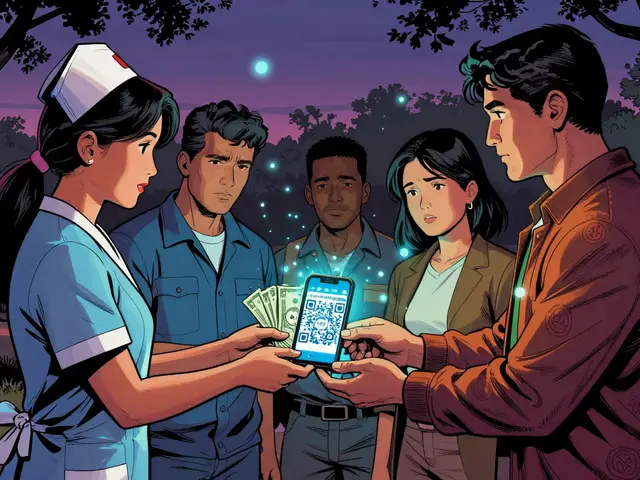
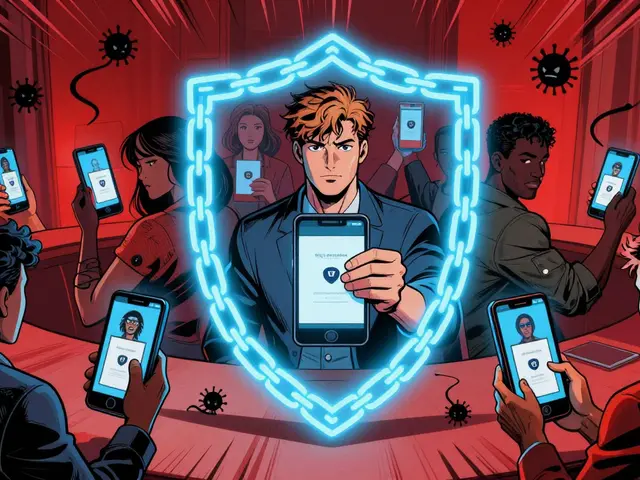
Finally, beware of scams mimicking legitimate airdrops. Since "BINO" is a short, memorable ticker, scammers often create fake websites claiming to offer "Official Binopoly Claims." Never connect your hardware wallet to a site you haven’t verified. If a site asks for your private key or seed phrase, close the tab immediately. Legitimate airdrops usually require signing a transaction, not sharing secrets.
Strategic Takeaways for 2026
So, should you chase the Binopoly airdrop? If you already hold assets on Bitget and see a low-effort challenge, participating costs little beyond your time. Treat it as a lottery ticket with slightly better odds than winning the jackpot. However, do not build a portfolio strategy around BINO based on current data. The lack of transparent metrics and the confusion with similar tickers make it a speculative play at best.
Keep an eye on official channels. If the Binopoly team releases a new whitepaper or announces a mainnet migration, the dynamics could change rapidly. Until then, stay skeptical. In crypto, silence often speaks louder than promises. Diversify your airdrop hunting across established ecosystems like Solana, Ethereum, and emerging Layer 2s where user activity provides clearer signals of value.
Is Binopoly the same as BinoFi?
No, they are distinct projects that unfortunately share the same ticker symbol, BINO. Binopoly is listed on exchanges like Bitget, while BinoFi is often associated with presale phases and different technical specifications like MPC wallets. Always verify the smart contract address to ensure you are dealing with the correct token.
Where can I buy BINO tokens?
Binopoly is not available on the standard Binance centralized exchange. You can typically find it on Bitget or via decentralized exchanges using a Web3 wallet. Check current listings on CoinGecko or CoinMarketCap for real-time availability, as smaller tokens may face delisting or temporary suspension.
Why does the BINO price show as "--" on some sites?
A dash usually indicates insufficient trading volume or a technical issue with the data feed. For low-market-cap tokens, this suggests very low liquidity. It means there may not be enough buyers or sellers at any given moment to establish a reliable current price, making valuation difficult.
Are there any upcoming major airdrops for Binopoly?
As of October 2026, there are no widely publicized, large-scale airdrop events for Binopoly comparable to major Layer 1 projects. Most distribution occurs through exchange-specific promotions on platforms like Bitget. Monitor official social media channels for any sudden announcements regarding snapshot dates or eligibility criteria.
What is the safest way to participate in crypto airdrops?
Use a dedicated burner wallet for airdrop interactions to protect your main holdings. Only connect to official links provided by the project's verified Twitter/X handle or website. Never pay upfront fees to claim an airdrop, as this is a common scam tactic.



Oh, look at this absolute tragedy of a token. 😒 It is frankly embarrassing that people are still wasting their precious seconds on something with zero liquidity and a ticker collision so stupid it could only happen in the Wild West of crypto. 🙄 You’re not digging for gold; you’re digging through sewage hoping to find a coin someone dropped ten years ago. The pretentiousness of calling it an "airdrop" when it’s basically exchange crumbs is laughable. I feel physically ill seeing retail investors get wet instead of finding nuggets. 🤮
I think it’s important to stay positive!! Even if the details are scarce... we should encourage everyone to do their own research!!! Don’t let the confusion discourage you from learning about MPC wallets and hybrid exchanges... they are very interesting technologies!! Be careful though, always verify the contract address!!! Safety first!! ❤️
It is absolutely disgraceful that the global financial community allows such ambiguity to persist without intervention from proper regulatory bodies or even basic journalistic integrity. When one considers the sheer volume of capital flowing into these obscure tokens, it becomes evident that the lack of transparency is not merely an oversight but a deliberate obfuscation tactic employed by lesser-known entities to mask their inherent mediocrity compared to established giants like Ethereum or Solana. The fact that BinoFi and Binopoly share a ticker symbol is not just a minor inconvenience but a glaring indictment of the current state of asset registration and naming conventions within the decentralized ecosystem, which fails to protect the average investor from simple yet catastrophic errors. One must wonder if the developers themselves understand the gravity of their naming choices or if they are simply riding the coattails of more successful projects while contributing nothing substantial to the technological landscape. This level of negligence in project identity management suggests a fundamental lack of professionalism that should serve as a red flag for any serious investor considering allocation of resources to such ventures.
Everyone wants free money until they realize the tax implications and the opportunity cost of locking up funds for $5 worth of trash. 🤡 The math never works out unless you're already trading high volume anyway. Why farm points for a token that might delist next month? Just buy what you believe in. Stop chasing ghosts. 👻📉
I am literally screaming right now because I almost connected my wallet to the wrong site last week and lost my entire savings potential! 😱 It is SO confusing why they can't just pick different names?! Like seriously, did nobody check the registry?! I’m so angry I could punch a wall. This whole thing feels like a scam waiting to happen. 💢💥
Exactly. And the drama isn't even warranted because the token has no real market presence. You're upset over a rounding error in your portfolio. Pathetic. 😒🙄
Excuse me?! My time matters too! Not everyone has your arrogant attitude towards small caps! Go cry about it somewhere else! 😤😤
Y'all need to chill. 🙄 Just read the fine print. If it says 'minimum trade volume', don't touch it. Simple as that. Don't be a sheep. 🐑❌
Hi everyone! :) I wanted to gently suggest that perhaps we can all learn from this experience together... it is okay to make mistakes, especially when the information is so fragmented. Let's support each other in verifying addresses and staying safe. We are all navigating this new frontier, and kindness goes a long way in building a resilient community. Have a wonderful day! ☀️
Wait, does anyone actually know if the team is working on the utility or if it's just vaporware? Because if it's vaporware, then the liquidity issue doesn't matter, right? Or does it? I'm confused. Also, why is Bitget pushing this so hard? Is there a hidden agenda? 🤔
The moral hazard here is significant. Promoting low-liquidity assets to inexperienced users who may not understand slippage is ethically questionable. One should not participate if one cannot bear the total loss of the asset. Furthermore, the comparison to major L1s is apt; those protocols have proven track records, whereas this appears to be speculative noise. It is lazy to expect returns without understanding the underlying value proposition.
Hey guys! Love the energy in this thread! 🔥 Honestly, even if it's small, getting free tokens is always a win in my book! Keep grinding, keep learning, and stay hyped! We got this! 💪🚀
i tried to claim some once and the gas fees ate my lunch lol i just left it in the wallet forgot about it honestly its probably worthless now anyway
Silence is golden. Inaction is often wisdom. Let the noise fade. 🧘♂️✨
I appreciate the detailed breakdown. I will stick to observing for now. It seems safer to wait for more concrete data before engaging. Thank you for the warning about the ticker confusion.
Thank you for providing this objective overview. The distinction between Binopoly and BinoFi is crucial for accurate investment decisions. I agree that due diligence is paramount in this instance.