

Velas (VLX) GRAND Airdrop: What You Need to Know
You are probably scrolling through your wallet app right now, hoping to see that little notification icon light up. We have all been there-refreshing the screen, checking social media feeds, and wondering if we missed out on free money. The Velas (VLX) ecosystem has been buzzing with talk about a "GRAND" airdrop, but let’s cut through the noise before you get too excited.
Here is the hard truth based on current data as of October 2026: there is no officially confirmed, universally recognized "GRAND" airdrop program from the core Velas team that matches the massive hype cycles we saw in 2021 or 2022. If you are seeing claims about a huge distribution, you need to be careful. This article breaks down what is actually happening with Velas, why this specific term might be confusing you, and how to protect your assets while hunting for legitimate opportunities.
The Reality Check: Is There Actually a Velas GRAND Airdrop?
Let’s address the elephant in the room. When researchers and community members dig into official Velas announcements, they often find silence regarding a specific initiative labeled "GRAND." This isn’t unusual in crypto. Names like "Grand," "Mega," or "Super" are frequently used by third-party projects, scam sites, or community-led initiatives rather than the core protocol team.
Velas is a Layer-1 blockchain known for its AI-driven consensus mechanism and high transaction speeds. It competes directly with other fast chains like Solana or Avalanche. However, unlike those networks which have had multiple well-documented funding rounds and public distributions, Velas operates differently. Its tokenomics focus heavily on staking rewards and validator incentives rather than sporadic, large-scale free token drops to random wallets.
| Feature | Velas (VLX) | Typical Airdrop Chain |
|---|---|---|
| Primary Reward Mechanism | Staking & Validation | User Activity Snapshots |
| Airdrop Frequency | Low / Community Driven | High / VC Backed |
| Official "GRAND" Program | Not Confirmed | N/A |
| Mainnet Status | Live & Stable | Varies |
If you read somewhere that Velas is launching a "GRAND" event, check the source. Is it the official Velas blog? Or is it a Telegram channel run by an anonymous admin? In my experience covering crypto news from Wellington, most unverified "grand" events turn out to be either minor community contests or, worse, phishing attempts designed to drain your private keys.
Why the Confusion? Mixing Up Projects
Crypto naming conventions are messy. You might be conflating Velas with Vela Exchange. These are two completely different entities. Vela Exchange is a decentralized perpetuals trading platform on Arbitrum. They did have significant airdrops and points programs in the past. If you heard about a "Vela" airdrop, it likely referred to Vela Exchange, not the Velas blockchain.
Another common mix-up involves resort properties. Yes, there is a luxury hotel called Grand Velas Riviera Maya. While nice for a vacation, it doesn’t issue cryptocurrency tokens. This kind of name collision happens more often than you’d think, leading to search results that confuse investors looking for digital assets.
Key Differences Between Velas and Vela Exchange
- Velas (VLX): A Layer-1 blockchain focused on speed and AI integration. Uses Proof-of-Stake with AI elements.
- Vela Exchange: A DeFi application built on top of existing blockchains (like Arbitrum). Focuses on derivatives trading.
- Tokens: VLX is the native coin of the Velas chain. VELA is the governance token for the exchange.
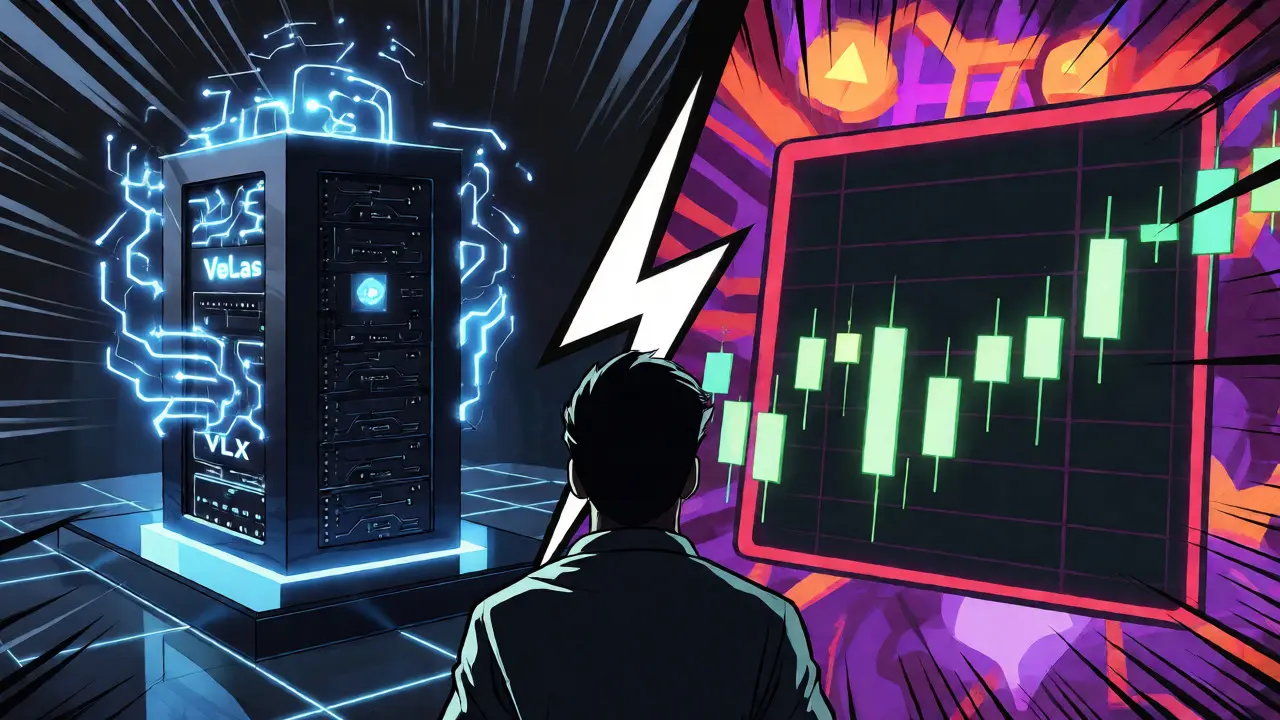
Always verify the contract address. Legitimate airdrops will always provide a verifiable contract address on a block explorer like Etherscan or the Velas Explorer. If a site asks you to connect your wallet to "claim" a reward without showing you the contract, close the tab immediately.
How to Spot Legitimate Velas Opportunities
Just because there isn’t a confirmed "GRAND" airdrop doesn’t mean you can’t earn VLX. The Velas ecosystem does offer ways to earn tokens, but they require active participation rather than passive waiting. Here is how you can actually get involved without falling for scams.
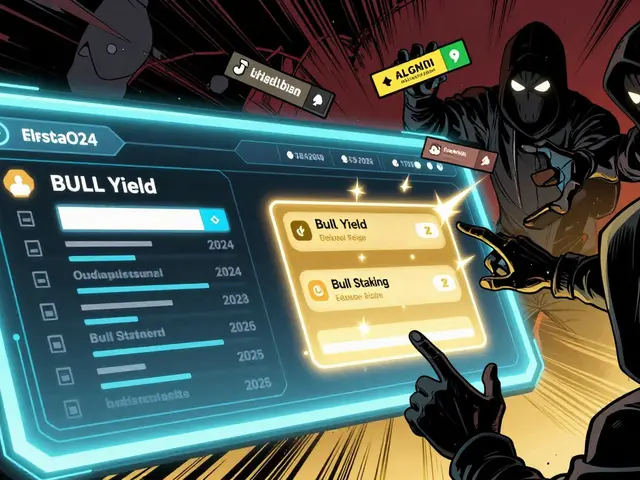
Staking is the primary method for earning VLX. By locking up your tokens, you help secure the network and receive annual percentage yields (APY). Unlike some chains where APY fluctuates wildly, Velas tends to offer stable returns for validators and delegators. This is far more reliable than chasing phantom airdrops.
Additionally, keep an eye on dApps built on Velas. Decentralized applications sometimes run their own small-scale promotions. For example, a new gaming dApp might give away tokens to early testers. These are real, but they are usually limited in scope. They won’t make you rich overnight, but they are genuine opportunities.
Checklist for Verifying Airdrops
- Official Source: Does the announcement appear on the official Velas website or verified Twitter/X account?
- No Private Keys: Did you ever share your seed phrase? If yes, and you haven’t claimed yet, you’re safe. If you shared it to "verify eligibility," you’ve already lost.
- Contract Verification: Can you find the token contract on a reputable explorer?
- Community Sentiment: Check Reddit or Discord. Are people complaining about scams, or celebrating actual payouts?

The Risk of Phishing Scams
Scammers love vague terms like "GRAND." It sounds impressive, urgent, and exclusive. They create websites that look exactly like the official Velas portal. They use logos, similar fonts, and even fake countdown timers. Their goal is simple: get you to connect your Web3 wallet and sign a malicious transaction.
Once you sign, you aren’t just claiming a token. You are granting permission for the smart contract to move your existing assets. I’ve seen cases where users lost thousands of dollars in ETH or BTC because they tried to claim a non-existent "airdrop" on a sketchy site. Always double-check the URL. Look for typos. Velas.io is the domain. Anything else is suspect.
Remember, if something sounds too good to be true-like getting $500 worth of free VLX just for holding a few coins-it probably is. Real airdrops are rewards for effort, liquidity provision, or early adoption. They rarely come from thin air.
What Should You Do Next?
If you are holding VLX, don’t panic sell because you didn’t get an airdrop. The value of Velas comes from its technology and utility, not from one-time giveaways. Instead of chasing ghosts, consider these steps:
- Start Staking: Move your idle VLX into a staking pool. Earn yield while you wait for market movements.
- Monitor Official Channels: Follow the official Velas blog and social media accounts. Turn on notifications so you hear news first-hand.
- Explore the Ecosystem: Try using a dApp on Velas. Sometimes, usage-based rewards are distributed quietly to active users.
- Ignore Hype: Treat any "GRAND" claim with skepticism until proven otherwise by a major exchange listing or official press release.
The crypto world moves fast. New projects pop up every day promising the moon. But patience and verification are your best tools. Don’t let FOMO (Fear Of Missing Out) drive your decisions. Verify, then act.
Is the Velas GRAND airdrop real?
As of late 2026, there is no officially confirmed major airdrop named "GRAND" from the core Velas team. Most references to this name are either related to unrelated entities (like hotels), confused with other projects (like Vela Exchange), or potential scams. Always verify via official channels.
How do I earn VLX tokens?
The most reliable way to earn VLX is through staking. You lock your tokens to support the network's security and receive interest payments. Some decentralized applications (dApps) on the Velas network may also offer small rewards for usage.
Did Vela Exchange have an airdrop?
Yes, Vela Exchange (a different project from Velas) conducted airdrops and points programs. Investors often confuse the two due to similar names. Vela Exchange is a DeFi trading platform, while Velas is a Layer-1 blockchain.
What should I avoid when looking for airdrops?
Avoid any site asking for your private key or seed phrase. Be wary of unofficial domains and requests to connect your wallet to "verify" eligibility without clear documentation. Scammers often use grandiose names like "GRAND" to lure victims.
Where can I find official Velas news?
Visit the official Velas website (velas.io) and follow their verified social media accounts on X (Twitter), Telegram, and Discord. Cross-reference any news with major crypto news outlets before acting.


It is so refreshing to see someone actually break down the confusion between Velas and Vela Exchange because I have seen so many people mixing them up in my own community groups lately. The point about checking contract addresses is super important since scammers are getting really good at copying official websites these days. Staking does seem like the most reliable path forward if you want steady returns without chasing ghosts. It helps to just step back and look at the actual utility of the chain rather than getting caught up in hype cycles that never materialize. Keeping your seed phrase safe is rule number one no matter how shiny the promise looks on social media.
Dude this post is a literal lifesaver for anyone drowning in the sea of crypto noise right now.
I was literally about to connect my wallet to some sketchy site promising "GRAND" riches only to realize it might be a total trap. The distinction between the L1 blockchain and the DeFi app is crucial because they operate in completely different universes with different risk profiles. You can't just assume every project named vaguely similarly is part of the same ecosystem. That hotel mix-up is hilarious but also terrifying because it shows how easily search algorithms can lead us astray. We need more content like this that cuts through the BS and focuses on verifiable data instead of vague promises. Keep spreading the gospel of verification everyone because our wallets depend on it.
Great breakdown of the situation here, especially regarding the importance of verifying sources before taking any action. Many beginners often overlook the difference between core protocol announcements and third-party marketing campaigns which leads to unnecessary stress and potential losses. Staking remains the backbone of earning in the Velas ecosystem as it aligns incentives with network security rather than relying on speculative drops. It is always wise to check multiple independent sources like Reddit or Discord communities to gauge the sentiment around any new initiative. If the official team has not said anything then it is likely just noise from external promoters trying to drive traffic to their own platforms. Patience and due diligence are your best friends in this market.
good info
the vela vs velas thing confuses everyone all the time. staking is safer than hunting airdrops imo
As someone who has been tracking Layer-1 developments closely I can confirm that Velas tokenomics do not support frequent massive airdrops like those seen in VC-heavy chains. The AI-driven consensus mechanism requires stable validator participation which is incentivized through staking rewards rather than sporadic giveaways. This makes the ecosystem more predictable for long-term holders who prefer yield over lottery-ticket mentalities. When looking for opportunities always verify the contract address on the official explorer to ensure you are interacting with legitimate smart contracts. Scammers rely on urgency and confusion so slowing down and reading the fine print saves significant capital in the long run.
always check the url. typos are everywhere in crypto scams
i lost like 200 bucks last year cause i clicked a link that looked legit but had a typo in the domain name. so annoying when u dont double check everything. the grand thing sounds sus anyway
hey guys i am from india and we have lots of ppl falling for these fake airdrops. i think its better to just hold and stake. why risk private keys for something that may not exist? its a waste of time honestly.
Thank you for providing such a comprehensive analysis of the current state of Velas airdrop expectations. It is imperative that investors distinguish between verified protocol updates and speculative community rumors to avoid financial pitfalls. The emphasis on staking as a primary revenue stream is well-founded given the technical architecture of the blockchain. Furthermore, the clarification regarding Vela Exchange versus Velas blockchain will undoubtedly assist many newcomers in navigating the complex landscape of decentralized finance applications. Continued vigilance against phishing attempts remains essential for asset preservation in this volatile market.
🤡🤡🤡 another scam baited by FOMO 📉💸 stop falling for these garbage projects claiming "grand" events when there is zero proof 🚫🧠 just stake your coins and chill 🧘♂️✨ don't let the clowns drain your wallet 🦈💀 stay woke fam 👁️👄👁️