Why the Philippines Blocked Major Crypto Exchanges in 2025: What You Need to Know
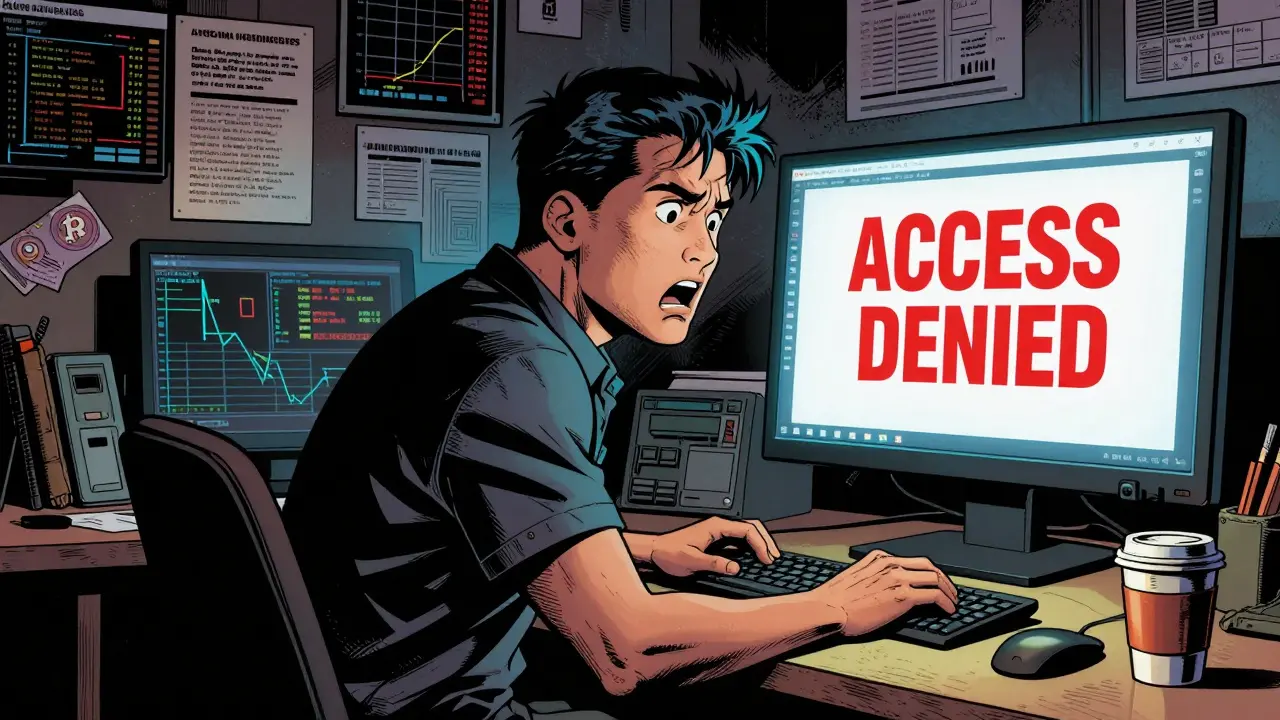
Imagine logging into your favorite cryptocurrency trading platform on a Tuesday morning, only to see a blank screen or an error message stating that the site is unreachable. For thousands of Filipino investors in August 2025, this wasn’t a glitch-it was government policy. The Philippine Securities and Exchange Commission (SEC) issued a sweeping directive to block access to ten major international crypto exchanges. These platforms included industry giants like OKX, Bybit, KuCoin, and Kraken.
This wasn't just a warning shot. It was a coordinated enforcement action involving the telecommunications sector, specifically targeting platforms operating without local licenses. If you are a trader in the Philippines, or even just following global crypto trends, understanding why this happened-and what it means for the future of digital assets in Southeast Asia-is crucial. Let’s break down the regulatory shift, the specific rules that triggered the ban, and how users are adapting.
The Regulatory Shift: From Wild West to Strict Oversight
For years, the Philippines operated with a relatively open stance toward cryptocurrency, allowing various offshore exchanges to serve local users with minimal friction. However, the landscape changed dramatically in July 2025. The SEC implemented two critical regulations: Memorandum Circular (MC) No. 4 and Memorandum Circular (MC) No. 5. These circulars took effect on July 5, 2025, establishing strict requirements for any entity providing crypto-asset services to Filipinos.
The core issue was simple: these ten exchanges were offering services without registering as Crypto Asset Service Providers (CASPs) under the new laws. The SEC viewed this not just as a paperwork violation, but as a significant risk to consumer protection. Without local oversight, investors had no recourse if a platform collapsed, froze funds, or engaged in fraudulent activities. The government’s goal was clear-bring digital asset trading under the same rigorous scrutiny as traditional financial markets.
Who Got Blocked? The List of Unlicensed Exchanges
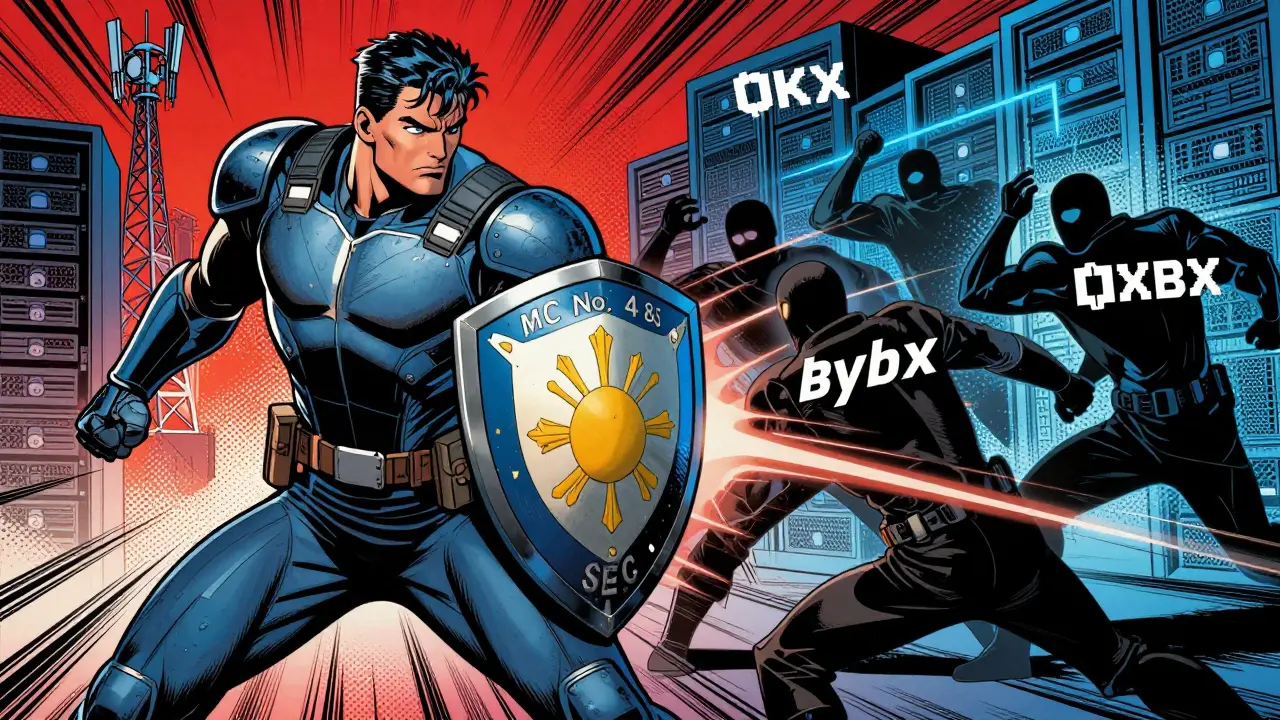
In the first week of August 2025, the SEC named ten specific platforms that failed to comply with the new licensing regime. This list included some of the most popular names in the global crypto space:
- OKX
- Bybit
- Mexc
- KuCoin
- Bitget
- Phemex
- CoinEx
- BitMart
- Poloniex
- Kraken
It is important to note that these platforms did not necessarily cease operations globally. They simply lost their ability to be accessed by users on Philippine internet networks. The SEC emphasized that operating without authorization exposed Filipino investors to considerable risk, citing the need to safeguard assets from unregulated entities.
How the Block Was Enforced: The Role of Telecom Giants
A regulatory order is only as good as its enforcement. In this case, the National Telecommunications Commission (NTC) played a pivotal role. Following the SEC’s advisory, the NTC directed major internet service providers (ISPs) to restrict access to the identified websites.
PLDT Inc. and its wireless unit, Smart Communications, Inc., confirmed on August 12, 2025, that they had successfully blocked access to all ten platforms. This meant that anyone using PLDT or Smart internet services could no longer load these exchange websites directly. PLDT reported that its Cyber Security Operations Group had already been blocking billions of attempts to access malicious domains, framing this move as part of a broader effort to ensure a secure digital space against fraud and scams.
The market reaction was immediate. On the day of the confirmation, PLDT shares on the Philippine Stock Exchange fell by PHP16, or 1.22 percent, closing at PHP1,299 per share. Investors likely weighed the increased compliance costs and potential reputational risks associated with enforcing such bans.
What Does It Take to Be Licensed? The CASP Requirements
If you are a crypto platform looking to operate legally in the Philippines, the bar is now significantly higher. MC No. 4 and MC No. 5 introduced several stringent requirements designed to ensure accountability and financial stability:
| Requirement | Details |
|---|---|
| Registration & Licensing | Must register with and obtain a license from the SEC. |
| Minimum Capital Reserve | PHP 100 million (approximately $1.76 million). |
| Physical Presence | Must physically incorporate within the Philippines. |
| Fund Segregation | Clear separation between customer funds and company assets. |
| Reporting Obligations | Regular reports to both the SEC and the Anti-Money Laundering (AML) Council. |
The PHP 100 million capital requirement alone excludes many smaller exchanges. More importantly, the mandate for physical incorporation forces foreign companies to establish a real operational footprint in the country. This isn't just about paying fees; it's about subjecting the company to local jurisdiction and legal processes. The fund segregation rule is particularly vital, addressing vulnerabilities exposed by high-profile international exchange collapses where commingled assets led to massive customer losses.
Tax Implications: The New Cost of Trading
Regulation goes hand-in-hand with taxation. As part of the 2025 overhaul, the Philippine government brought digital assets squarely under its taxation regime. This affects every user, whether they trade on licensed or unlicensed platforms (though accessing unlicensed ones is now technically difficult).
- Capital Gains Tax: Selling crypto for fiat currency or exchanging it for goods now incurs a 15% tax.
- Income Tax: Income received from mining, staking, or receiving crypto as payment falls under the standard income tax regime.
- Value Added Tax (VAT): Selling goods in exchange for cryptocurrency attracts a 12% VAT.
Failure to file taxes on crypto transactions carries penalties. This shift aims to close loopholes and generate revenue while ensuring that crypto traders contribute fairly to the national economy. For marketers and content creators, the rules are also tighter. Promoting digital assets requires being registered as a corporation and holding an SEC license. Influencers must maintain transparency, facing potential action if they promote specific unverified platforms.
Regional Context: A Southeast Asian Trend
The Philippines is not acting in isolation. This crackdown aligns with a broader trend across Southeast Asia toward stricter oversight of offshore cryptocurrency exchanges. Neighboring countries have adopted similar measures to combat money laundering and protect retail investors.
In May 2025, Thailand's SEC ordered the blocking of five crypto exchanges, including Bybit and OKX, advising investors to withdraw assets before shutdown. Meanwhile, Indonesia tightened its crypto tax policy sharply in 2025. Domestic exchange transaction taxes rose from 0.1% to 0.21%, while trades on offshore platforms faced a fivefold increase from 0.2% to 1%. This regional pressure makes it increasingly difficult for global exchanges to ignore local regulations without losing access to millions of potential users.
Can Users Still Access These Platforms?
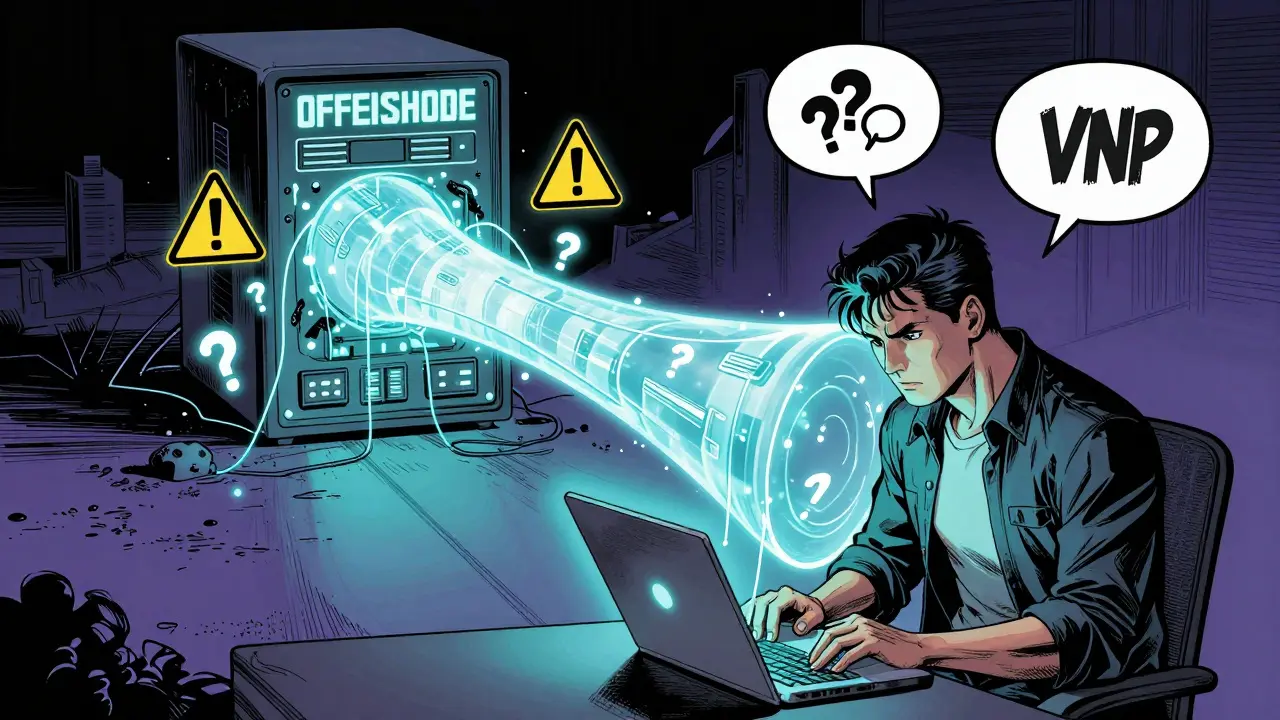
Technically, yes-but it’s harder and riskier. While ISPs like PLDT and Smart have blocked direct access, determined users often turn to Virtual Private Networks (VPNs) to bypass these restrictions. However, relying on VPNs introduces its own set of problems. Many free or low-cost VPNs compromise privacy and security, potentially exposing users to malware or data theft. Furthermore, using a VPN to access an unlicensed financial platform may violate local terms of service and could complicate any future legal disputes regarding fund recovery.
Industry observers note that while network-level blocking demonstrates regulatory capacity, its effectiveness is always subject to circumvention. The real deterrent, however, is the legal and financial risk. If you use an unlicensed platform via a VPN and that platform fails, you have no local regulator to appeal to. Your money is gone, and there is no Philippine entity responsible for your loss.
What Should Filipino Traders Do Now?
If you are currently holding assets on one of the blocked exchanges, time is of the essence. The SEC’s previous actions, such as the restriction on Binance in 2024, show that enforcement can escalate quickly. Here are practical steps to consider:
- Withdraw Assets: If possible, transfer your cryptocurrencies to a self-custody wallet (like a hardware wallet) rather than leaving them on the exchange. This reduces reliance on the platform’s solvency.
- Switch to Licensed Platforms: Identify which exchanges have obtained CASP licenses in the Philippines. Trading on compliant platforms ensures your funds are protected by local regulations and insurance mechanisms.
- Review Tax Obligations: Ensure you are tracking your transactions accurately to meet the new 15% capital gains tax and other reporting requirements. Ignorance of the law is not a defense against penalties.
- Avoid Unverified Alternatives: With major players blocked, smaller, less reputable sites may emerge to fill the void. Exercise extreme caution and verify any new platform’s SEC registration status before depositing funds.
The Future of Crypto in the Philippines
The August 2025 enforcement action marks a watershed moment for Philippine cryptocurrency regulation. It signals that the government prioritizes regulatory compliance over market access for foreign operators. While this may cause short-term frustration for traders accustomed to the ease of offshore platforms, it lays the groundwork for a more stable and secure ecosystem in the long run.
By requiring substantial financial backing, physical presence, and strict fund segregation, the Philippines is building a framework that protects consumers from the volatility and fraud inherent in the unregulated crypto world. For legitimate fintech innovation, this clarity is beneficial. Companies know exactly what is required to operate legally. For reckless actors, the door is firmly closed.
As we move further into 2026, expect more countries to follow suit. The era of wild-west crypto trading is ending, replaced by a structured, taxed, and regulated environment. Adapting to these changes isn't just about following rules-it's about protecting your financial future.
Which crypto exchanges were blocked in the Philippines in 2025?
The Philippine SEC blocked access to ten unlicensed exchanges: OKX, Bybit, Mexc, KuCoin, Bitget, Phemex, CoinEx, BitMart, Poloniex, and Kraken. These platforms were restricted because they failed to register as Crypto Asset Service Providers (CASPs) under new regulations.
Why did the Philippines block these crypto exchanges?
The blocks were enforced to protect investors from unregulated platforms. The new Memorandum Circulars (MC No. 4 and MC No. 5) require exchanges to have local licenses, minimum capital reserves of PHP 100 million, and physical incorporation in the Philippines. Operating without these safeguards exposes users to risks like fraud and loss of funds.
Can I still access blocked exchanges using a VPN?
Technically, yes, many users use Virtual Private Networks (VPNs) to bypass ISP blocks. However, this is risky. Using a VPN does not make the platform legal, and you lose consumer protections. If the exchange collapses or freezes your account, you have no recourse with the Philippine SEC. Additionally, some VPNs compromise your personal data security.
What are the new tax rates for cryptocurrency in the Philippines?
As of 2025, selling crypto for fiat or goods incurs a 15% capital gains tax. Income from mining, staking, or payments is subject to standard income tax. Selling goods for crypto attracts a 12% Value Added Tax (VAT). Failure to report these transactions can result in penalties.
Is Binance allowed in the Philippines?
Binance has faced restrictions in the past, including a crackdown in 2024 for non-compliance. Whether it is currently accessible depends on its ongoing efforts to meet CASP licensing requirements. Users should always check the latest SEC advisories to confirm the current status of any platform.
What happens if I continue to trade on unlicensed platforms?
Trading on unlicensed platforms carries significant risk. You are not protected by Philippine investor safeguards. If the platform engages in fraud, suffers a hack, or becomes insolvent, you will likely lose your funds with no way to recover them through local authorities. Additionally, you may face tax penalties for failing to report transactions on compliant channels.
How do I find a licensed crypto exchange in the Philippines?
You can check the official website of the Philippine Securities and Exchange Commission (SEC) for the list of registered Crypto Asset Service Providers (CASPs). Only platforms listed there have met the capital, incorporation, and reporting requirements necessary to operate legally in the country.