Crypto Mining Nigeria: Risks, Realities, and What Works in 2025
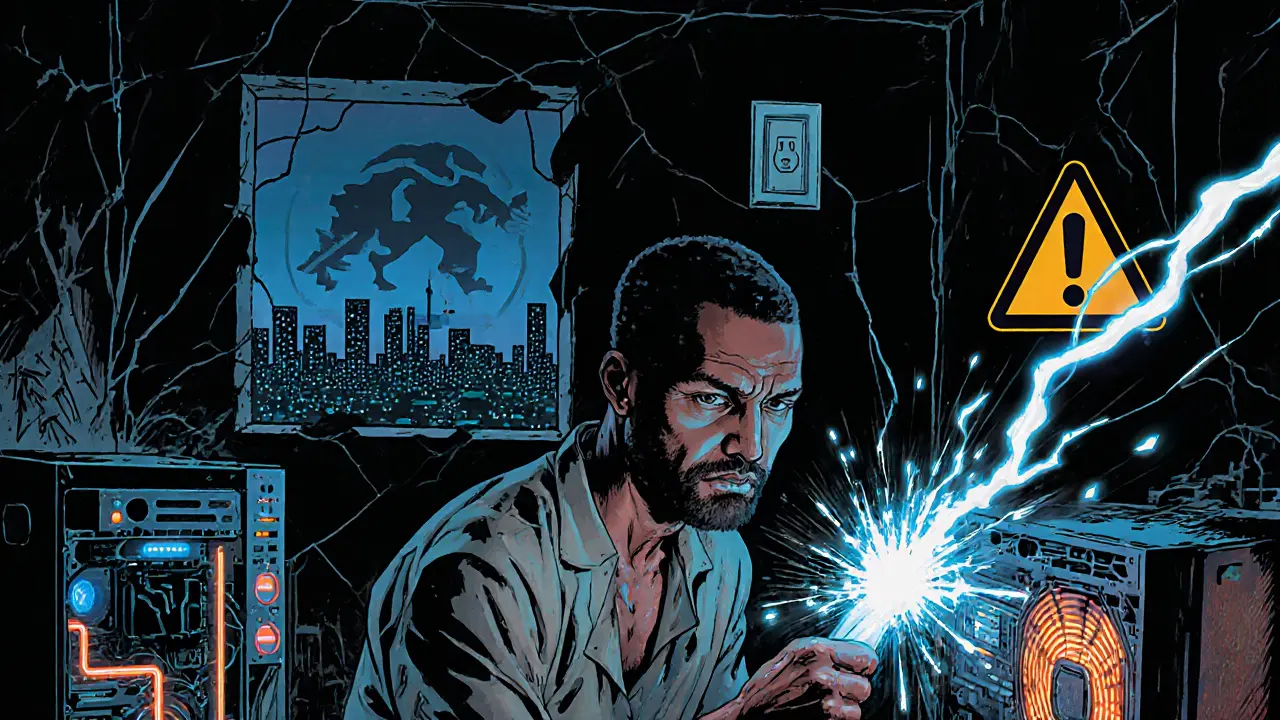
When people talk about crypto mining Nigeria, the practice of using computing power to validate blockchain transactions and earn cryptocurrency rewards within Nigeria. Also known as Bitcoin mining in Nigeria, it’s not a get-rich-quick scheme—it’s a high-risk gamble with power outages, rising electricity bills, and shifting laws. Unlike countries with cheap hydroelectric power, Nigeria’s grid is unstable. Most miners rely on expensive diesel generators, eating up profits before they even start.
Many try to mine with consumer-grade hardware like NVIDIA GPUs or older ASICs, but these often overheat or fail in Nigeria’s heat and dust. True profitability requires industrial setups—something few can afford. Even then, the crypto electricity cost Nigeria, the average price per kilowatt-hour for powering mining rigs using private generators can hit $0.30 or more, far above the $0.05–$0.08 needed to break even on Bitcoin mining. Meanwhile, the Nigerian crypto regulation, the evolving legal stance of the Central Bank of Nigeria and other agencies toward cryptocurrency mining and trading remains unclear. While holding crypto isn’t illegal, banks block transactions, and regulators have cracked down on mining operations they deem unlicensed or energy-intensive.
Some miners pivot to solar or hybrid setups, but those require upfront cash most don’t have. Others join mining pools, hoping to share rewards—but even then, payout delays and hidden fees hurt more than help. There’s no official data on how many miners are active today, but anecdotal reports suggest most have scaled back since 2022. The ones still running are either well-funded, have access to off-grid power, or are mining altcoins with lower difficulty—like Monero or Ravencoin—though liquidity for those is thin in Nigeria.
If you’re thinking about starting, ask yourself: Do you have a generator that runs 24/7 without burning out? Can you afford to replace hardware every 6 months? Are you ready to lose your investment if regulators suddenly ban mining? Most don’t. The real winners aren’t the miners—they’re the people selling them generators, inverters, and cooling fans.
Below, you’ll find real reviews of platforms, tools, and strategies used by Nigerians trying to make crypto mining work. Some worked briefly. Most failed. All of them teach something important about what it really takes to mine crypto in this environment.
Crypto mining in Nigeria isn't banned, but it's tightly controlled. Learn the 2025 legal rules, SEC licensing requirements, tax penalties, banking limits, and why most miners operate in the grey zone.
READ MORE