P2P Crypto Trading in Bangladesh: Methods, Risks & Legal Reality
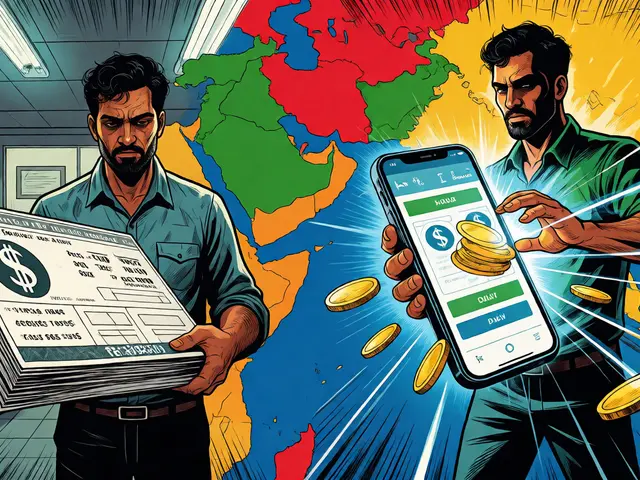
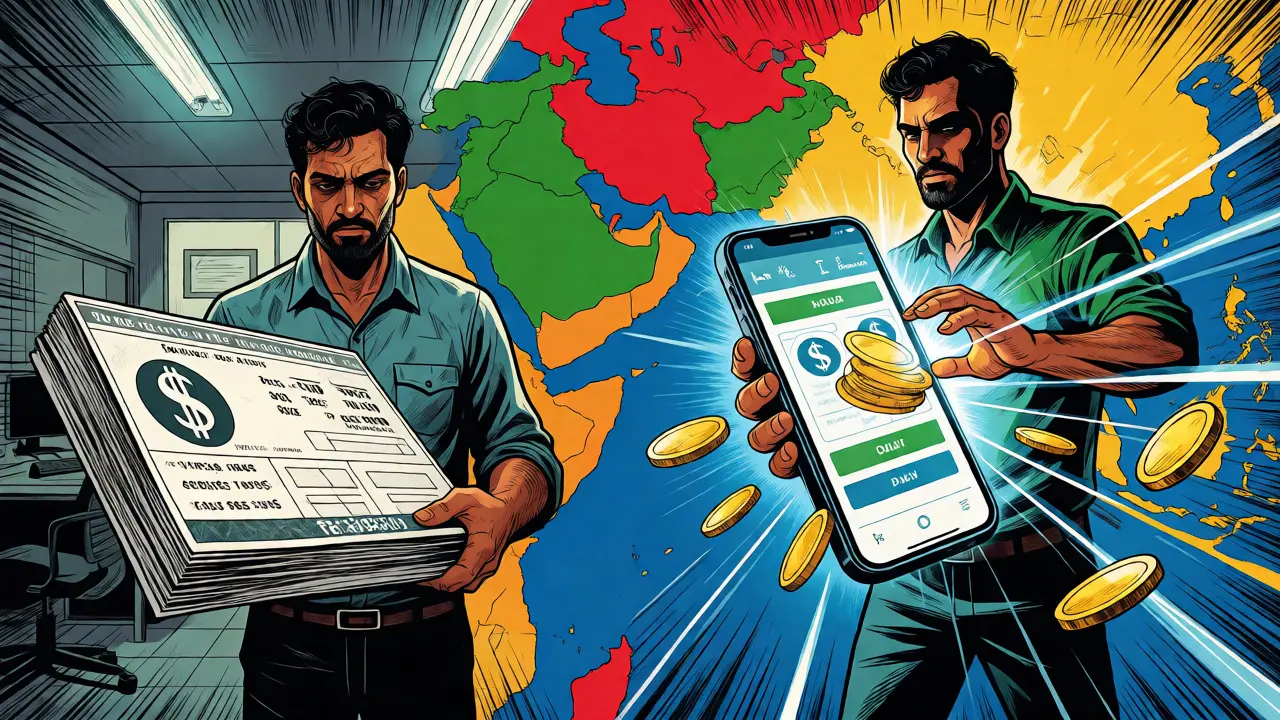
Imagine sending money home from Dubai to Dhaka and saving over $200 in fees just by using a digital wallet instead of a bank wire. Sounds too good to be true? For thousands of Bangladeshi expats, this is their daily reality. But here’s the catch: they are doing it in a legal grey zone that could technically land them in jail.
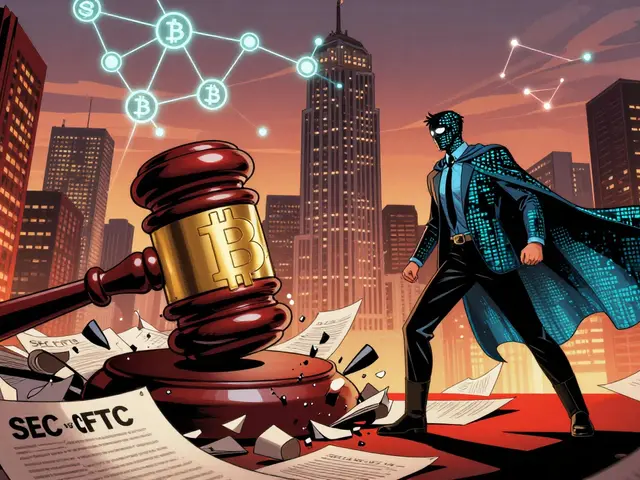
P2P crypto trading in Bangladesh operates in a complex regulatory environment where cryptocurrencies are de facto banned yet actively traded by millions. While Bangladesh Bank explicitly prohibits crypto transactions under the Foreign Exchange Regulation Act, the country ranked 35th globally for crypto adoption in 2024. This paradox creates a unique market driven by necessity rather than speculation. If you’re looking to navigate this landscape, understanding the specific methods, risks, and workarounds is essential for keeping your funds safe.
The Legal Grey Zone: Why People Trade Anyway
Let’s address the elephant in the room first. Is it illegal? Technically, yes. Since 2014, Bangladesh Bank has warned that trading crypto violates Section 33 of the Foreign Exchange Regulation Act 1947. The central bank states clearly that converting Taka into foreign currency without approval is illegal. In 2018, the Bangladesh Telecommunication Regulatory Commission (BTRC) even blocked major exchanges like Binance and Coinbase.
Yet, enforcement against individual traders remains inconsistent. The primary driver isn’t gambling on Bitcoin prices; it’s remittance. Bangladesh received $21.5 billion in official remittances in 2022. Traditional channels charge 3-8% in fees. Crypto P2P trades often cost less than 2%. For a worker earning modest wages abroad, that difference pays for groceries or school fees back home. This economic pressure keeps the market alive despite the threat of fines or account freezes.
You might wonder if you’ll get arrested for buying USDT. While arrests have happened-such as the detention of 17 traders in Dhaka in 2022-they are rare for small-scale users. Most risk comes from banking scrutiny, not police raids. Banks monitor large, sudden inflows from mobile financial services, which can trigger account reviews.
Method 1: Centralized Exchange P2P Platforms
The most popular method involves using international exchanges with built-in peer-to-peer marketplaces. Binance dominates this space, holding roughly 61% of the market share among Bangladeshi traders. Other platforms like Bybit and KuCoin follow, but Binance’s liquidity makes it the go-to choice.
How does it actually work? You don’t buy crypto directly from the exchange. Instead, you buy it from another person. Here is the typical flow:
- You select an ad on the P2P marketplace specifying BDT payment via bKash, Nagad, or bank transfer.
- You place an order. The seller locks their USDT in escrow.
- You send the Taka via your mobile banking app within the specified time limit (usually 15 minutes).
- You mark the order as "paid."
- The seller verifies receipt and releases the crypto from escrow.
This system relies heavily on bKash, which has over 72 million active users and is used in 61% of these transactions. Nagad follows closely at 29%. The speed is impressive; verification often takes just 3-5 minutes. However, spreads-the difference between the buy and sell price-can range from 1.2% to 3.5% above the global market rate. This premium covers the risk sellers take when dealing with local fiat restrictions.
| Platform | Market Share | Primary Payment Method | Average Spread | Support Language |
|---|---|---|---|---|
| Binance | 61% | bKash / Nagad | 1.2 - 3.5% | Bangla / English |
| Bybit | 19% | Nagad / Bank Transfer | 1.5 - 4.0% | English |
| KuCoin | 11% | bKash | 2.0 - 4.5% | English |
| Local Agents | N/A | Cash / Mobile Money | 4.0 - 8.0% | Bangla |
Method 2: Informal Agent Networks
If you’re uncomfortable with apps or live in areas with poor internet connectivity, informal agent networks offer a physical alternative. These are essentially mobile financial service agents who act as unlicensed crypto dealers. They operate openly in hubs across Dhaka, Chittagong, and Sylhet.
The process is straightforward: you hand over cash or do a mobile money transfer, and they send USDT to your wallet address immediately. There’s no KYC hassle for smaller amounts, and you get instant confirmation. However, the cost is significantly higher. Spreads jump to 4-8%, meaning you lose more value upfront.
Risk management here is entirely on you. Unlike exchange escrow, there is no third party holding the funds. If an agent scams you, getting your money back is nearly impossible. A common tactic involves agents reversing a bKash payment after receiving the crypto. Always verify the agent’s reputation through community groups like the 'Crypto BD Guide' Telegram channel, which maintains a blacklist of known fraudsters.
Method 3: Decentralized Exchanges (DEX)
For tech-savvy users seeking anonymity, decentralized exchanges present a compelling option. Using wallets like MetaMask connected to PancakeSwap on the Binance Smart Chain (BSC), you can swap tokens directly without relying on centralized intermediaries.
This method bypasses many of the restrictions imposed by BTRC blocks because DEXs run on blockchain protocols rather than single servers. It offers near-anonymity, as you don’t need to upload ID documents for every trade. Transaction costs are lower, averaging 0.8% compared to 1.5% on centralized platforms. Plus, gas fees on BSC remain low, typically around $0.15 per transaction.
But there’s a steep learning curve. You must manage your own private keys. Lose them, and your money is gone forever. Network congestion during peak hours can cause transaction failures or high slippage. Only about 8% of Bangladeshi traders use this method, largely due to the technical barriers involved.
Payment Gateways: The Lifeblood of P2P
Your ability to trade depends entirely on your access to reliable payment gateways. Mobile Financial Services (MFS) like bKash and Nagad are the backbone of this ecosystem. They allow instant transfers that keep P2P trades moving quickly.
However, banks are watching. Bangladesh Bank instructed all banks to monitor suspicious transactions above ৳50,000 involving MFS. In late 2024, over 1,800 accounts were temporarily frozen due to unusual activity patterns. To mitigate this, experienced traders recommend splitting large transactions into smaller chunks and avoiding round numbers (e.g., send ৳49,850 instead of ৳50,000). This looks less like a structured commercial transaction and more like personal spending.
Bank transfers are also possible but slower. They require sharing your account number with strangers, which poses privacy risks. Many traders prefer keeping bank details private and sticking to mobile money IDs.
Security Pitfalls and How to Avoid Them
With great opportunity comes significant risk. Fraud is rampant in unregulated markets. The most common scam involves "chargebacks" or reversed payments. An agent sends the crypto, you send the money, and then they claim they never received it-or worse, they reverse the mobile money transfer if the platform allows it.
Here are three rules to protect yourself:
- Never release crypto before verifying payment. Log into your bKash/Nagad app directly. Do not trust screenshots sent via WhatsApp, as these are easily faked.
- Stick to verified merchants. On Binance, look for sellers with high completion rates (above 95%) and thousands of completed orders. New accounts are risky.
- Use Escrow religiously. Never send money outside the platform chat. If a seller asks you to communicate via Telegram or call them privately to "save time," walk away. That’s how scammers isolate you from support teams.
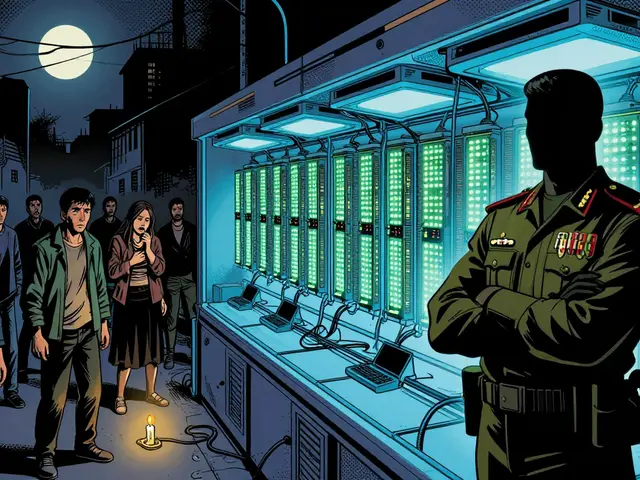
Another issue is platform downtime. During Eid holidays, mobile banking systems often overload. Transaction times can spike from 8 minutes to nearly 47 minutes. Plan your trades accordingly, especially if you need funds urgently.
The Future: Regulation on the Horizon?
Is this chaos going to last? Probably not. The government formed a Crypto Asset Task Force in early 2025 to study the sector. Meanwhile, Bangladesh Bank is piloting its own Central Bank Digital Currency (CBDC). If successful, the CBDC could offer a regulated alternative for cross-border payments, potentially reducing the demand for volatile cryptos like Bitcoin while legitimizing stablecoins like USDT.
Experts predict a dual-track approach: strict bans on speculative trading but potential allowances for blockchain technology and tokenized assets. Until clear laws emerge, P2P trading will likely remain a necessary evil for millions of Bangladeshis. Stay informed, keep your records organized, and always prioritize security over convenience.
Is crypto trading illegal in Bangladesh?
Yes, technically. Bangladesh Bank warns that trading violates the Foreign Exchange Regulation Act. However, enforcement against individual retail traders is inconsistent, and millions participate in the P2P market despite the legal ambiguity.
Which payment method is best for P2P crypto in Bangladesh?
bKash is the most widely used method, accounting for about 61% of transactions due to its widespread adoption and instant settlement. Nagad is the second most popular option. Bank transfers are less common due to privacy concerns and slower processing times.
Can I withdraw my crypto profits to a Bangladeshi bank account?
Direct withdrawals are difficult. Most traders sell crypto for BDT via P2P and receive the funds in their mobile banking wallets (bKash/Nagad). From there, they can cash out at agent points or transfer to a linked bank account, though large frequent transfers may trigger bank inquiries.
What is the average fee for P2P crypto trading in Bangladesh?
Fees vary by method. On centralized exchanges like Binance, spreads typically range from 1.2% to 3.5% above the market rate. Informal street agents charge higher premiums, often between 4% and 8%, reflecting the convenience and lack of digital infrastructure.
Do I need KYC to start trading?
Most international exchanges require basic KYC (Know Your Customer) verification, including uploading a National ID card and a selfie. Without KYC, you may face withdrawal limits or inability to access certain P2P features. Local informal agents may not require KYC for small trades.