Loop Finance Review: Is It a Legitimate Exchange or Just a Token?
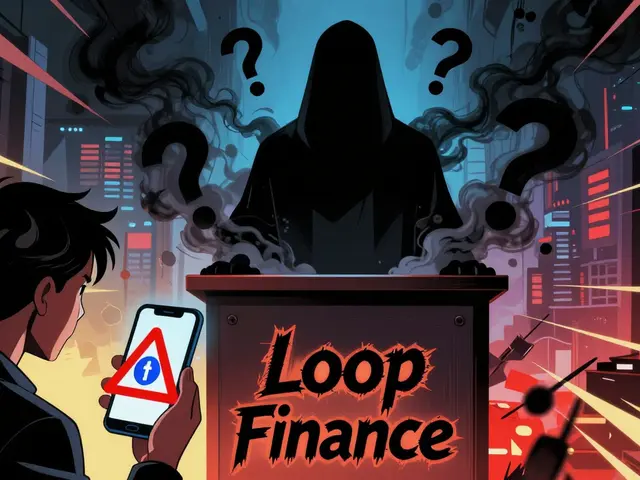
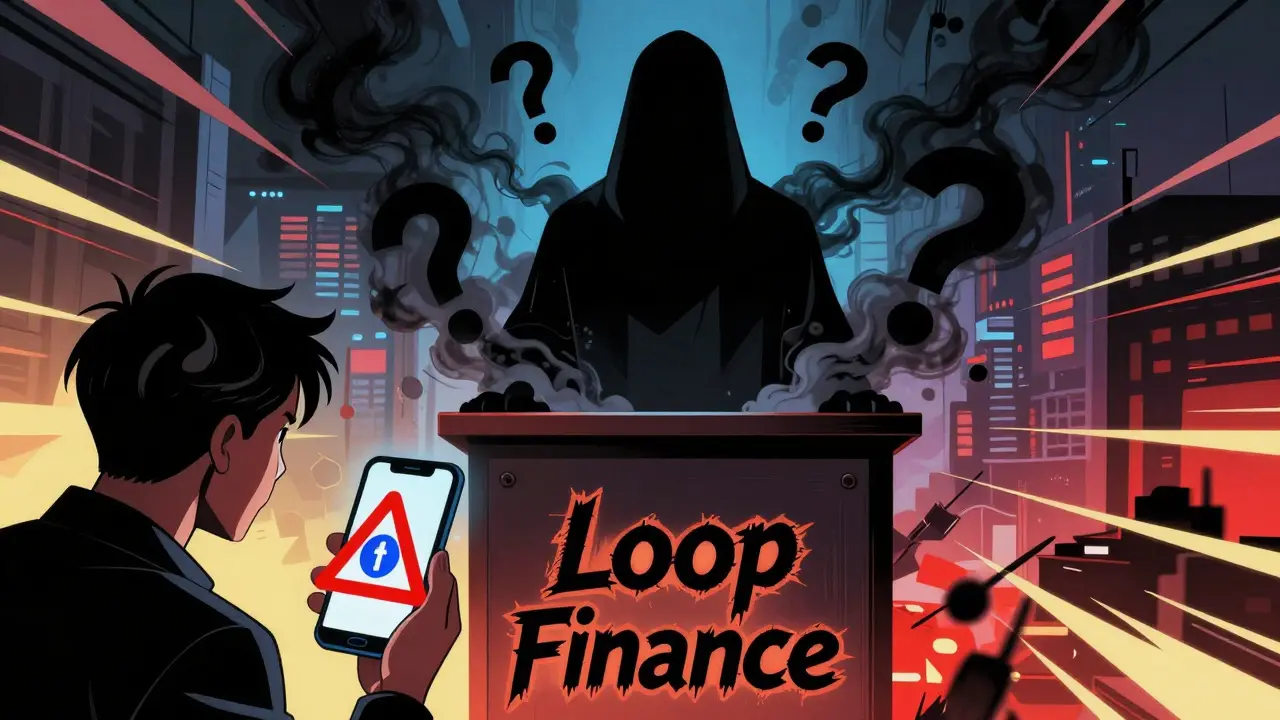
Have you heard whispers about Loop Finance as the next big thing in crypto trading? Maybe you saw a flashy ad promising high returns, or perhaps a friend mentioned it. But here is the hard truth that most promotional material hides: there is almost no credible information available to verify Loop Finance as a legitimate, standalone cryptocurrency exchange.
In an industry where trust is everything, silence from reliable sources is deafening. When you search for reviews, security audits, or regulatory filings for Loop Finance, you hit a wall. Instead of user testimonials or fee structures, you find scattered data points about a token named LOOP and confusing comparisons with other projects like Loopring. This lack of transparency isn't just annoying; it's a massive red flag.
The Identity Crisis: Token vs. Exchange
Before we can judge whether Loop Finance is safe, we need to figure out what it actually is. The biggest problem right now is confusion. Many users are mixing up three completely different entities:
- Loopring (LRC), which is a well-established Layer 2 scaling solution and decentralized exchange protocol built on Ethereum.
- Loop Network, another project with its own token and community.
- Loop Finance (LOOP), the specific entity you are asking about, which appears primarily as a speculative token rather than a functional exchange platform.
If you are looking for a place to buy Bitcoin or Ethereum easily, Loop Finance is likely not what you think it is. There is no evidence suggesting it operates like Binance, Coinbase, or Kraken-platforms with clear interfaces, customer support, and regulated operations. Instead, references to "Loop Finance" usually point to the LOOP token itself. This distinction matters because buying a token is very different from using an exchange service.
Red Flags: Why the Lack of Data Matters
When reviewing any financial service, especially in crypto, we look for specific pillars of legitimacy. Let's see how Loop Finance stacks up against these standards based on available data.
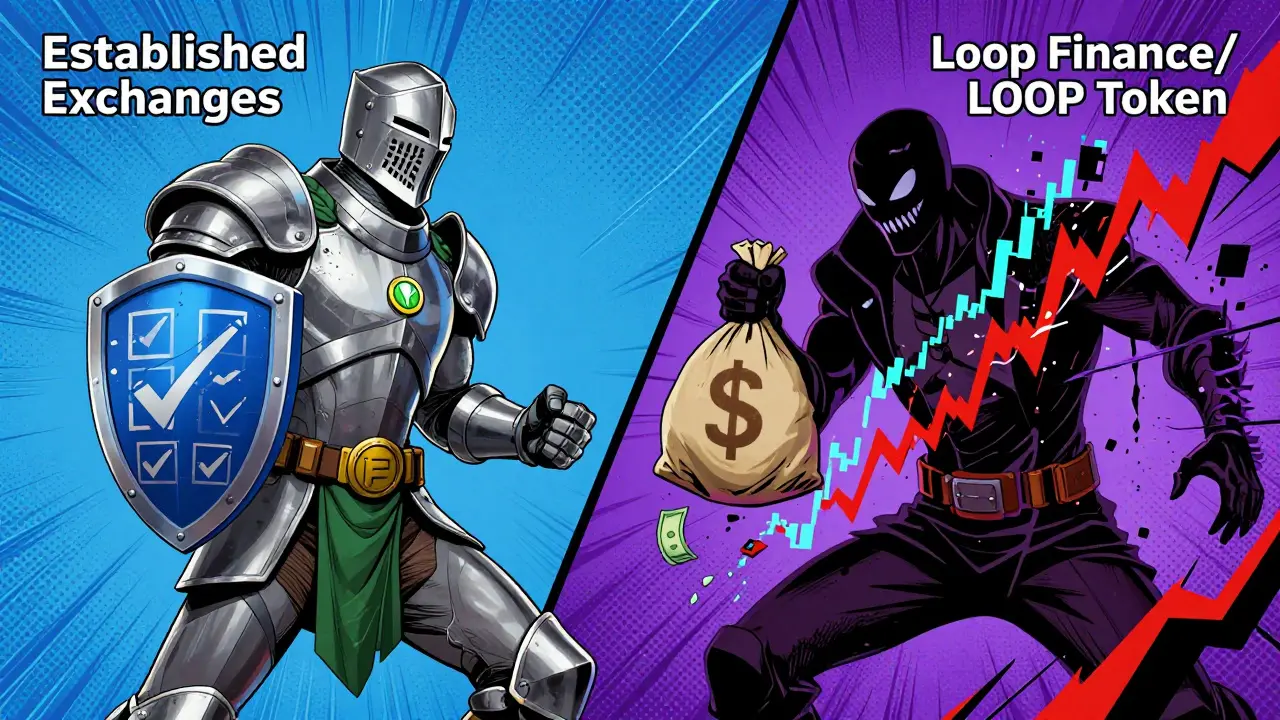
| Feature | Loop Finance (LOOP) | Established Exchanges (e.g., Coinbase, Kraken) |
|---|---|---|
| Regulatory Compliance | No public records found | Licensed in multiple jurisdictions (US, EU, etc.) |
| Security Audits | None publicly verified | Regular third-party audits published |
| User Reviews | Virtually non-existent | Thousands of verified user experiences |
| Team Transparency | Anonymous or unverified | Public leadership with LinkedIn profiles |
| Trading Pairs | Unclear / Likely limited to LOOP token | Hundreds of pairs (BTC, ETH, SOL, etc.) |
The absence of this basic information is concerning. In 2026, reputable platforms publish their security measures openly. They tell you exactly how they store funds (cold storage ratios), who regulates them, and how to contact support if something goes wrong. Loop Finance offers none of this. If a company cannot provide basic details about its operations, why would you trust them with your money?
Token Speculation: The LOOP Price Reality
Since Loop Finance doesn't appear to be a traditional exchange, the only actionable data we have relates to the LOOP token's market performance. Some analysts predict significant volatility. For instance, forecasts suggest the LOOP token could fluctuate between $0.00096 and $0.002143 in the near term. Long-term projections through 2031 show even wider ranges, with highs potentially reaching $0.003077 and lows dipping to $0.000579.
But let's be clear: these are predictions, not guarantees. In fact, expert opinions are contradictory. Some models suggest a downturn, while others hint at modest gains. This uncertainty is typical for low-cap tokens with little utility. Unlike Loopring (LRC), which has over $6 billion in historical trading volume and serves a clear function in the Ethereum ecosystem, the LOOP token lacks a defined use case beyond speculation.
Investing in such assets is high-risk. You aren't buying into a platform with revenue streams or users; you're betting on hype. If the hype fades, the value often follows. Always remember that past price movements do not indicate future results, especially for obscure tokens.
Better Alternatives for Safe Trading
If your goal is to trade cryptocurrencies safely, you have much better options. Established exchanges offer features that protect your capital and ensure liquidity. Here is what you should look for instead of chasing unknown platforms:
- Regulatory Status: Choose platforms licensed in major jurisdictions like the US, UK, or EU. This ensures they follow anti-money laundering (AML) and know-your-customer (KYC) laws.
- Insurance Funds: Top exchanges maintain insurance to cover losses from hacks. While no system is perfect, this adds a layer of protection.
- Low Fees: Transparent fee structures matter. Look for makers/takers fees under 0.1% for active traders.
- Custody Options: The best exchanges allow you to withdraw funds to your own hardware wallet. Never leave large amounts on any exchange long-term.
Platforms like Coinbase, Kraken, and Binance dominate the market for good reason. They have survived bear markets, regulatory scrutiny, and security challenges. They offer deep liquidity, meaning you can buy or sell large amounts without moving the price drastically. Loop Finance cannot compete with this infrastructure.

How to Spot Fake or Low-Quality Platforms
With so many scams targeting new investors, knowing how to vet a platform is crucial. Here are five signs that a crypto service might be unsafe:
- Anonymous Teams: If you can't find the founders' names or professional backgrounds, walk away.
- Pressure Tactics: Be wary of "limited-time offers" or promises of guaranteed daily returns. These are classic Ponzi scheme tactics.
- Poor Website Quality: Broken links, spelling errors, and generic stock photos indicate a lack of professionalism.
- No Social Proof: Real companies have active communities on Twitter, Reddit, and Discord. If the social media accounts are empty or filled with bots, it's a bad sign.
- Unrealistic Promises: No legitimate exchange will promise you 10% monthly returns. High rewards always come with high risk, but guaranteed profits are a lie.
Loop Finance triggers several of these alarms. The lack of team information, the confusion around its identity, and the absence of user feedback make it a risky proposition. In crypto, caution is your best defense.
Final Thoughts: Proceed with Extreme Caution
To summarize, Loop Finance does not appear to be a viable option for serious crypto trading. It lacks the transparency, security infrastructure, and regulatory compliance that define trustworthy exchanges. The LOOP token exists, but it is highly speculative and carries significant risk. If you are new to crypto, stick to established platforms with proven track records. Your capital is too valuable to gamble on obscurity.
Always do your own research (DYOR). Don't rely on anonymous forums or paid influencers. Check regulatory databases, read independent news articles, and talk to experienced traders. The crypto world is full of opportunities, but it's also rife with traps. Stay safe by choosing clarity over mystery.
Is Loop Finance a legitimate crypto exchange?
There is insufficient evidence to confirm Loop Finance as a legitimate, regulated cryptocurrency exchange. Most references point to it as a speculative token (LOOP) rather than a functional trading platform. Due to the lack of transparent security audits, regulatory filings, and user reviews, it is considered high-risk.
What is the difference between Loop Finance and Loopring?
Loopring (LRC) is a well-known Layer 2 scaling solution and decentralized exchange protocol on Ethereum with billions in trading volume. Loop Finance (LOOP) is a separate, less established project primarily associated with a speculative token. They are not the same entity, and Loopring has significantly more credibility and usage.
Is it safe to invest in the LOOP token?
Investing in the LOOP token is extremely risky. It lacks a clear utility model compared to established tokens, and price predictions are highly volatile and contradictory. Only invest money you can afford to lose entirely, and consider sticking to larger, more liquid assets like Bitcoin or Ethereum.
Where can I find reliable reviews for Loop Finance?
Currently, there are no comprehensive, independent reviews of Loop Finance as an exchange platform. Most online content focuses on price speculation rather than platform functionality. This absence of critical analysis is itself a warning sign for potential users.
What are safer alternatives to Loop Finance?
For safe and reliable crypto trading, consider established exchanges like Coinbase, Kraken, Binance, or CEX.IO. These platforms offer regulatory compliance, robust security measures, insurance funds, and transparent fee structures, making them much safer choices for both beginners and experienced traders.