Limitations of State Channel Technology in Blockchain Scaling
You hear the hype: state channels are the holy grail of blockchain scaling. They promise instant transactions and near-zero fees by moving activity off the main chain. But if you have ever tried to set up a Lightning Network node or interact with a Raiden Network contract, you know the reality is messier. The technology works, but it comes with baggage that many marketing materials gloss over.
Why aren't state channels running everything yet? If they were so perfect, why do rollups dominate the Ethereum landscape? The answer lies in specific technical and economic constraints that make them difficult for general users and developers alike. Let's break down the real limitations of state channel technology, from locked funds to offline vulnerabilities, without the academic fluff.
The Capital Lockup Problem
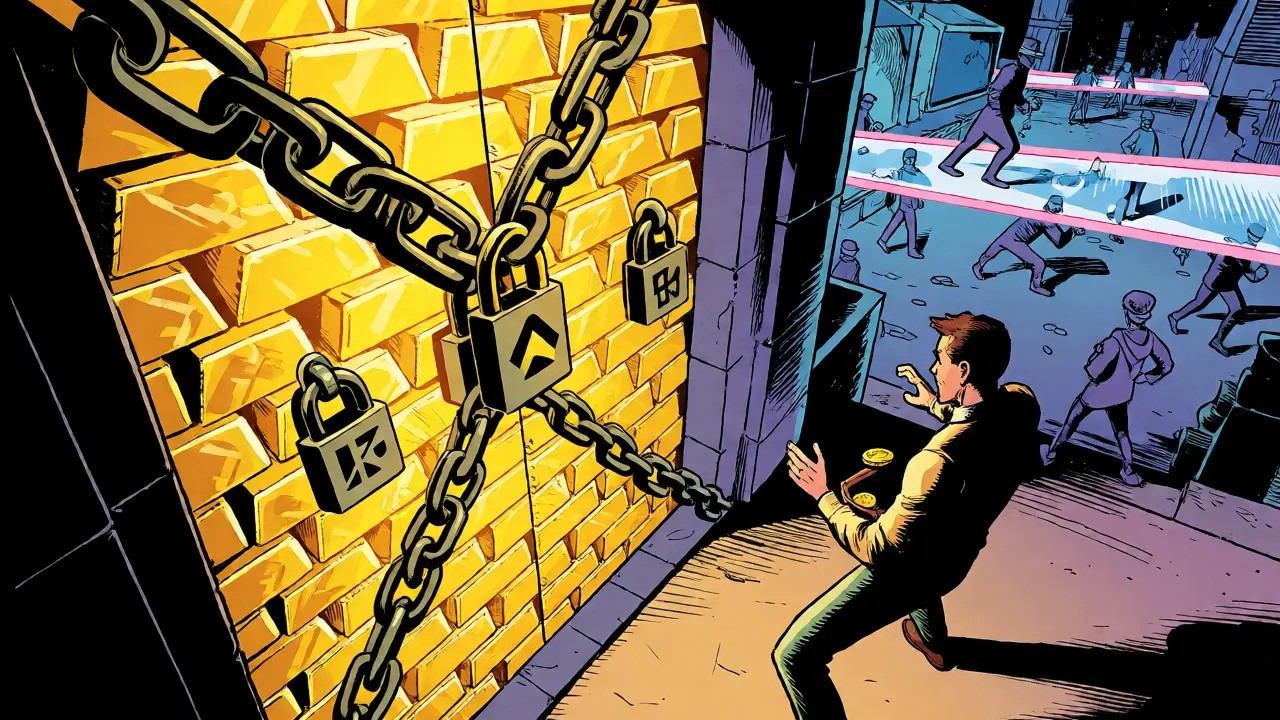
Here is the biggest hurdle for most people: you need money to make money. To open a state channel, you must lock up cryptocurrency as collateral. This isn't optional; it is the security guarantee that keeps your counterparty honest.
Imagine you want to use the Lightning Network to buy coffee. You don't just send $5 worth of Bitcoin. You might need to lock up $100 or more in a channel to ensure you can handle multiple future transactions. If you run out of liquidity in that channel, you cannot pay, even if you have plenty of Bitcoin in your wallet.
| Feature | State Channels | Rollups (Optimistic/ZK) |
|---|---|---|
| Collateral Requirement | High (must cover max transaction volume) | Low (batched on-chain proofs) |
| Liquidity Management | Complex manual rebalancing | Automated via sequencer |
| User Experience | Poor for sporadic users | Similar to L1 experience |
This creates a barrier to entry. Small businesses or individuals with limited capital get shut out. A report from Deloitte found that 78% of small enterprises avoided state channels simply because they couldn't afford to tie up capital in idle channels. It’s inefficient. Your funds sit there, earning nothing, waiting for a transaction that might not happen for weeks.
The Liveness Requirement and Offline Risks
State channels assume you are always online. If your phone dies, or your internet cuts out, you are vulnerable. Why? Because if your partner broadcasts an old, outdated state of the channel while you are asleep, you could lose money unless you react quickly.
This is known as the liveness requirement. In traditional banking, if you go offline, the bank holds your money securely. In a state channel, if you go offline, a malicious actor can try to cheat you. To fix this, networks introduced "watchtowers"-third-party services that monitor the chain for you. But watchtowers introduce new trust assumptions. Who runs the watchtower? What if they collude with your counterparty?
Developer forums are full of complaints about mobile clients failing because phones go into sleep mode. One user reported having to rebalance their channels three or four times a week just to keep payments working. That is not a seamless user experience; that is a chore.

Dispute Resolution Is Slow and Costly
The whole point of off-chain scaling is speed. But what happens when things go wrong? When a dispute arises, you have to drag the issue back onto the main blockchain. This defeats the purpose of being fast and cheap.
Onboarding a dispute means paying high gas fees and waiting for block confirmations. On Ethereum, this can take minutes and cost dollars, whereas the off-chain transaction took milliseconds and cost cents. For frequent traders, this friction is unacceptable. Developers often underestimate the complexity of writing fair dispute logic in smart contracts. Studies show it takes 20-30% more development time than anticipated because handling edge cases where parties disagree on the state is notoriously tricky.
Limited Scalability for Multi-Party Interactions
State channels work best between two people who talk to each other a lot. Think of Alice and Bob trading stocks all day. They open one channel and trade hundreds of times inside it. Great!
But what if Alice wants to trade with Charlie? She needs a new channel. If she trades with Dave, Eve, and Frank too, she now has five channels to manage. Each requires its own collateral, monitoring, and liquidity management. As the number of participants grows, the network becomes unmanageable. This is why state channels struggle to support broad, open participation like a public marketplace. They excel at bilateral relationships but fail at multi-party complexity.
Compare this to Sidechains or Rollups, which allow thousands of users to interact without needing individual channels between every pair.

Security Vulnerabilities and User Vigilance
You cannot be complacent. In a state channel, security relies partly on you watching the network. Bugs in smart contracts can drain funds. If a bug allows someone to broadcast an invalid state, and you miss the challenge window, your money is gone.
Unlike centralized exchanges that offer insurance or recourse, state channels are often "code is law." If you make a mistake or miss a deadline, there is no customer support hotline to call. NADCA Business Consulting highlighted that dishonest users can exploit these windows to cheat others out of funds. It places a heavy cognitive load on the average user, who just wants to send money, not audit cryptographic proofs.
Where Do We Go From Here?
Are state channels dead? No. They are still vital for specific niches like micropayments, gaming, and streaming content where sub-second latency is critical. However, they will likely remain niche solutions rather than the universal scaling layer for everyone.
Innovations like Account Abstraction (EIP-4337) are helping by allowing smarter collateral management, reducing the capital burden by 30-40%. Watchtowers are getting better at automating the liveness checks. But until the user experience matches the simplicity of sending an email, state channels will face an uphill battle against rollups, which currently capture over 50% of the enterprise scaling market.
If you are building a dApp, ask yourself: Do my users transact frequently with the same partners? If yes, state channels might save you gas fees. If your users are sporadic or diverse, look elsewhere. Understanding these limitations saves you from expensive architectural mistakes later.
Why do I need to lock up more crypto than I plan to spend in a state channel?
You lock up collateral to secure the channel against fraud. The amount usually reflects your maximum potential transaction volume within that channel. If you only lock up $10, you can't send $20, even if you add more funds later without closing and reopening the channel. This ensures that if you go offline, your counterparty can safely claim what they are owed.
What happens if my phone goes offline while using a Lightning Network channel?
If you are offline, you cannot respond to a challenge if your counterparty tries to broadcast an outdated state. To mitigate this, you can use a "watchtower" service, which monitors the blockchain for you. However, this adds a dependency on a third party and may incur small fees. Without a watchtower, you risk losing funds if you miss the challenge period.
Are state channels safer than Layer 1 blockchains?
They inherit the security of the underlying Layer 1 blockchain, but they introduce new risks. These include implementation bugs in the channel software, errors in user key management, and the complexity of dispute resolution. While the cryptography is sound, the operational security depends heavily on the user staying vigilant and maintaining sufficient liquidity.
Can state channels handle complex smart contract interactions?
Generally, no. Most state channels, like Lightning, are designed for simple value transfers. More advanced implementations like Raiden or Connext attempt to support arbitrary smart contract execution, but this significantly increases complexity and reduces performance. For complex DeFi interactions, rollups are currently a better fit due to their compatibility with existing EVM tools.
Why are rollups preferred over state channels for general scaling?
Rollups do not require users to lock up large amounts of collateral or stay constantly online. They batch transactions off-chain and post compressed data to the main chain, offering similar scalability benefits with a much simpler user experience. This makes them suitable for a wider range of applications, including NFTs, DeFi, and gaming, beyond just simple payments.