How Mining Difficulty Impacts Crypto Miners' Profits
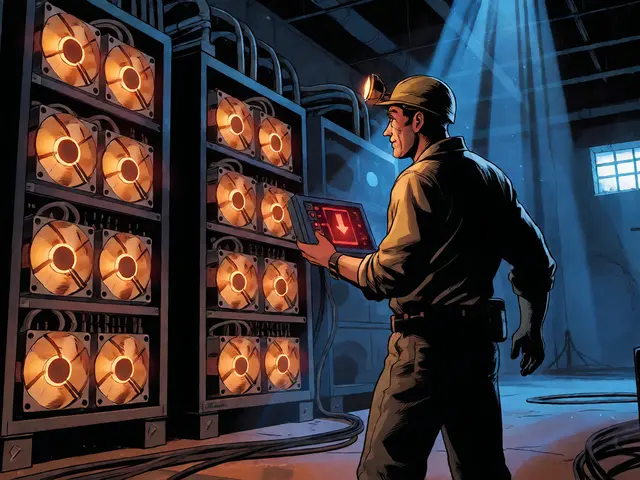
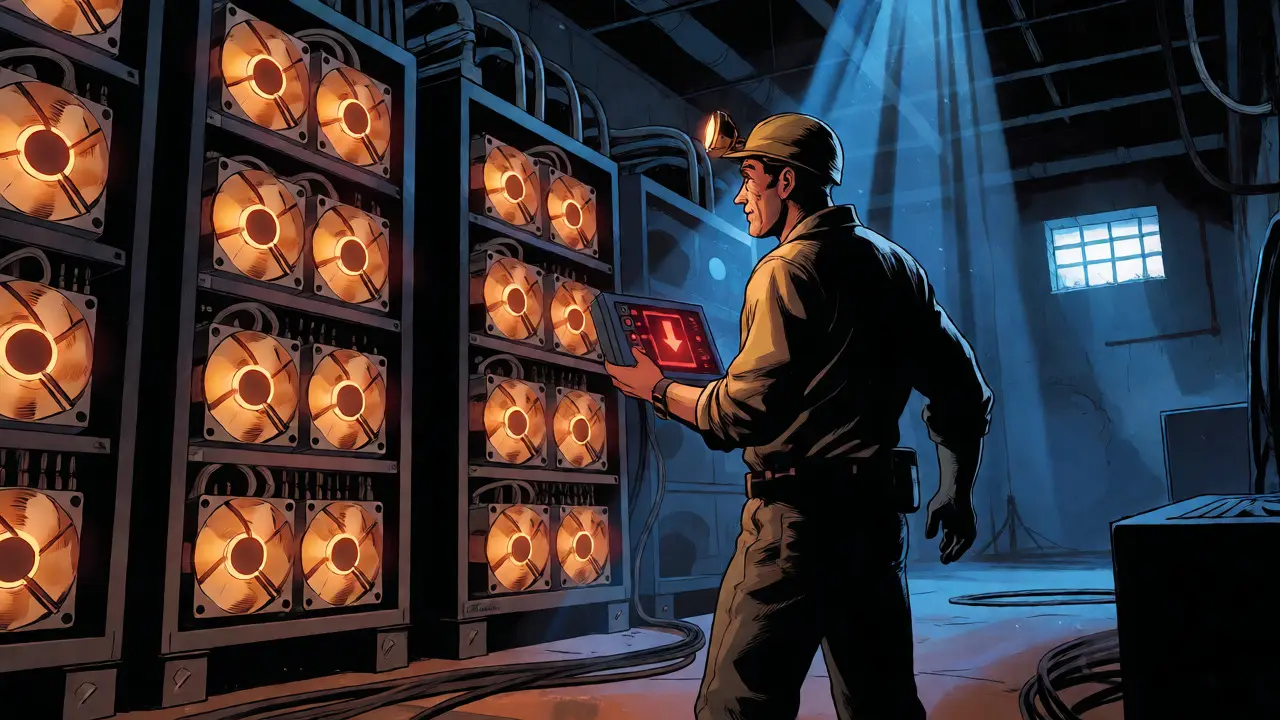
You just bought a shiny new ASIC miner. It hums to life, the fans spin up, and you check your dashboard. You’re earning coins. But two weeks later, that same machine is barely breaking even. What happened? Did the price crash? No. The mining difficulty went up.
If you’ve ever stared at a mining rig wondering why your earnings dropped despite stable market prices, you’ve hit the wall of dynamic difficulty. It’s not a bug; it’s a feature. In fact, it’s the most critical mechanism keeping networks like Bitcoin secure and predictable. But for you, the miner, it’s a relentless force that can turn a profitable operation into a paperweight overnight.
What Actually Is Mining Difficulty?
Think of mining difficulty as the network’s self-regulating thermostat. In a Proof-of-Work (PoW) blockchain, miners compete to solve complex mathematical puzzles. The goal isn’t to solve them faster than everyone else forever; it’s to find a block roughly every ten minutes (for Bitcoin). If too many miners join the race, blocks get found too quickly. If miners leave, blocks take too long.
The protocol adjusts the difficulty target to keep this timing consistent. When more computational power (hash rate) enters the network, the puzzle gets harder. Fewer hashes will meet the stricter criteria required to mine a valid block. Conversely, if hash rate drops, the puzzle gets easier. This adjustment happens automatically, typically every 2,016 blocks in Bitcoin’s case, which works out to about every two weeks.
This isn’t arbitrary. It’s coded into the genesis block. Satoshi Nakamoto designed it so that no matter how much hardware humanity throws at the network, the issuance schedule remains steady. For you, this means your slice of the pie shrinks as more people bring bigger knives to the table.
The Math Behind Your Shrinking Wallet
Let’s look at the cold, hard numbers. Mining profitability is a simple equation: Revenue minus Costs equals Profit. Revenue depends on the coin price and the number of blocks you find. Costs depend on electricity and hardware depreciation.
Difficulty directly attacks the revenue side. As difficulty rises, the probability of any single unit of hash power finding a block decreases. If the global hash rate doubles, your share of the total network power halves-assuming your hardware stays the same. Your expected daily earnings drop by half, even if the coin price doesn’t move an inch.
| Metric | Scenario A (Low Difficulty) | Scenario B (High Difficulty) |
|---|---|---|
| Global Hash Rate | 500 EH/s | 600 EH/s (+20%) |
| Your Hash Rate | 10 TH/s | 10 TH/s |
| Your Network Share | 0.000002% | 0.00000167% (-16.7%) |
| Daily BTC Earned | 0.00015 BTC | 0.000125 BTC |
| Profitability Status | Profitable | Break-even or Loss |
Notice the last row. A 20% increase in network difficulty doesn’t just reduce profits by 20%; because fixed costs remain constant, it can push a marginal miner straight into the red. This is why experienced miners watch difficulty charts more closely than price charts.
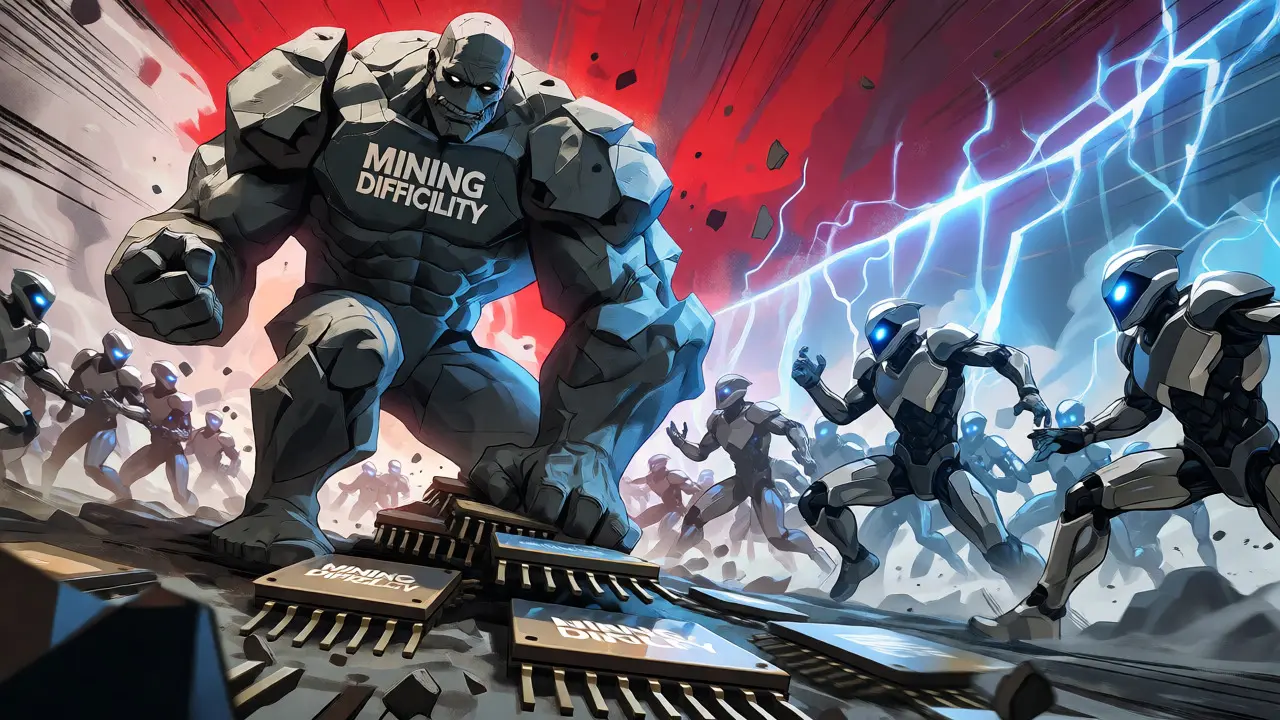
The Hardware Arms Race
Why does difficulty keep rising? Because of technology. Enter the Application-Specific Integrated Circuit (ASIC). These chips are designed to do one thing: hash SHA-256 algorithms. They don’t play games, they don’t browse the web. They just crunch numbers, incredibly fast.
When a new generation of ASICs launches-say, moving from 10nm to 5nm process nodes-they offer better efficiency (more terahashes per watt). Early adopters grab these machines, boosting their personal profitability. But as these efficient machines spread across the network, the total hash rate spikes. The network responds by raising difficulty. Suddenly, those early adopters lose their edge, and older, less efficient machines become unprofitable.
This creates a treadmill effect. You must upgrade regularly to stay ahead of the difficulty curve. Staying still means falling behind. Buying old hardware on clearance often leads to immediate losses unless you have dirt-cheap electricity. The sweet spot is buying new hardware right after a halving event or when difficulty temporarily dips due to market fear, giving you a window of high returns before the rest of the industry catches up.
Who Survives the Squeeze?
Not all miners feel the pain equally. There’s a stark divide between industrial-scale operations and hobbyists. Large mining farms benefit from economies of scale. They negotiate bulk electricity rates, sometimes paying cents per kilowatt-hour compared to residential rates. They also have access to advanced cooling systems and maintenance teams that maximize uptime.
Smaller miners face a brutal reality. Their electricity costs are higher, and their overheads don’t shrink with lower rewards. When difficulty surges, small operators are the first to flip their switches off. This phenomenon contributes to mining centralization. If only large players can survive high-difficulty environments, the network’s hash power concentrates in fewer hands. While this might seem risky for decentralization, it ensures that the cost of attacking the network remains prohibitively high for bad actors.
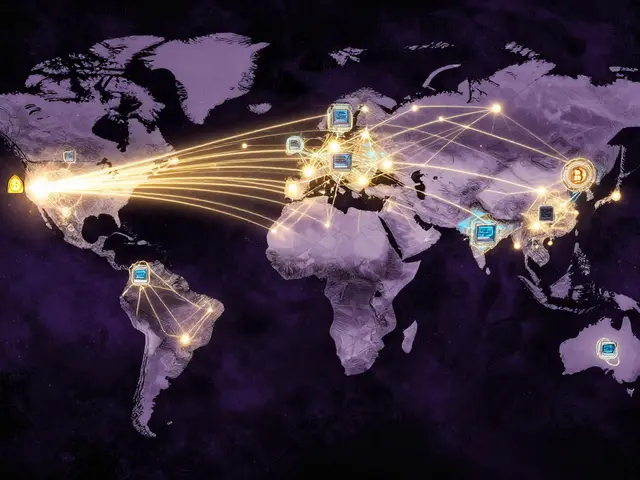
Geography plays a huge role here too. Regions with abundant renewable energy or surplus hydroelectric power attract miners seeking low operational costs. When difficulty rises, miners in expensive energy markets exit, while those in cheap-energy zones expand. This geographic migration reshapes the global distribution of mining power.
Strategic Moves for Modern Miners
So, what do you do? You can’t control the difficulty, but you can prepare for it. First, always calculate your break-even point using current difficulty estimates, not historical averages. Tools like Minerstat or F2Pool calculators give real-time projections based on live network data.
Second, consider hosting options. If your local electricity rate is above $0.08/kWh, you’re likely fighting an uphill battle against professional miners. Colocation services allow you to rent space in optimized facilities, sharing the benefits of scale without the capital expenditure of building infrastructure.
Third, diversify your risk. Some miners switch coins during difficulty spikes, mining altcoins with lower difficulty until Bitcoin stabilizes. However, this introduces exchange rate risk. Another strategy is hedging future production through futures contracts, locking in a price now to protect against future volatility while riding out difficulty cycles.
The Long Game: Halvings and Future Tech
We can’t talk about difficulty without mentioning halving events. Every four years, Bitcoin’s block reward cuts in half. This reduces the incentive for inefficient miners to stay online. Historically, halvings trigger a period of increased difficulty pressure followed by a shakeout where weak hands sell and strong hands accumulate.
Looking ahead, the trend is clear: difficulty will continue to rise as global adoption grows. More users mean more demand for security, which means more hash power securing the chain. For miners, this means margins will compress over time. Success won’t come from finding a magic coin; it’ll come from operational excellence. Lowering your cost-per-hash is the only sustainable advantage in a world where difficulty never sleeps.
How often does mining difficulty change?
For Bitcoin, difficulty adjusts every 2,016 blocks, which takes approximately two weeks. Other Proof-of-Work cryptocurrencies may adjust difficulty more frequently, such as every block or every few minutes, depending on their specific protocol rules.
Can I predict future mining difficulty?
You can estimate it by monitoring the current global hash rate and comparing it to the previous adjustment period. If the hash rate is trending upward, the next adjustment will likely increase difficulty. Online calculators use these trends to provide projected profitability figures.
Does high difficulty make mining impossible for beginners?
Not impossible, but difficult. Beginners should focus on coins with lower difficulty or use cloud mining services to avoid hardware risks. For Bitcoin specifically, solo mining with consumer-grade hardware is rarely profitable due to high difficulty; joining a mining pool is essential for consistent payouts.
What happens if my miner becomes unprofitable?
If your revenue falls below your electricity costs, you should shut down the miner to prevent losing money. Many miners wait for a coin price surge or a difficulty dip before turning rigs back on. Alternatively, you can switch to mining a different cryptocurrency that is currently more profitable relative to its difficulty.
Is mining difficulty related to transaction fees?
Indirectly. High transaction fees can incentivize miners to prioritize certain transactions, but difficulty itself is determined by hash rate and block time targets. However, as block rewards decrease over time due to halvings, transaction fees will become a larger portion of miner revenue, potentially influencing how miners react to difficulty changes.