VPN Usage for Crypto in Iran: Detection Risks for Traders in 2026
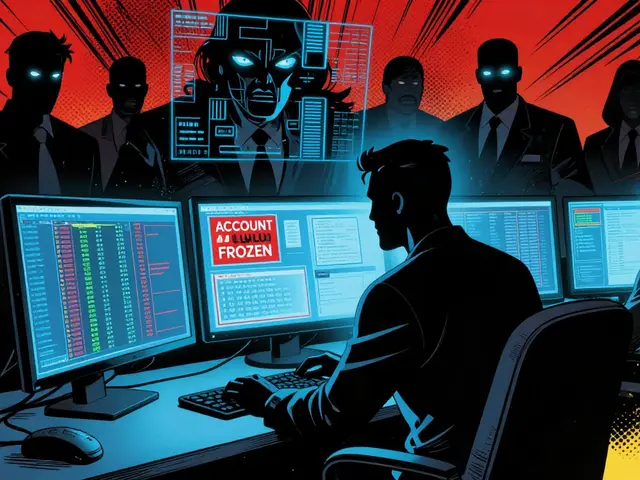
Imagine logging into your favorite exchange to buy Bitcoin, only to find your account frozen minutes later. For traders in Iran, this isn't a hypothetical nightmare-it’s a daily reality. Since October 2024, the landscape for cryptocurrency trading in Iran has shifted from a gray area of tolerance to a high-stakes game of cat and mouse. With international exchanges tightening their anti-money laundering (AML) rules and domestic platforms like Nobitex facing intense scrutiny, relying solely on a Virtual Private Network (VPN) is no longer a safe strategy. It is a ticking time bomb.
The Shift from Tolerance to Enforcement
For years, Iranian users operated under a fragile understanding with global platforms. Back in 2019 and 2020, executives at major exchanges like Binance were reportedly aware of the massive influx of Iranian users. Internal messages even joked about "IRAN BOYS" driving platform popularity. The barrier to entry was low; simple email registration often sufficed, allowing traders to bypass geoblocks using basic VPNs.
That era ended abruptly. By late 2021, hardened AML rules forced exchanges to implement strict Know Your Customer (KYC) protocols. The real turning point came in October 2024 when blockchain intelligence firms launched specific bounty programs targeting wallet addresses linked to Nobitex, Iran’s largest domestic exchange. This wasn't just data collection; it was an active hunt. The result? Widespread account freezes and a chilling effect that rippled through the entire community. If you are trading today, you are not just fighting internet restrictions; you are navigating a coordinated international enforcement effort designed to cut off capital flight.
Why Your VPN Might Already Be Compromised
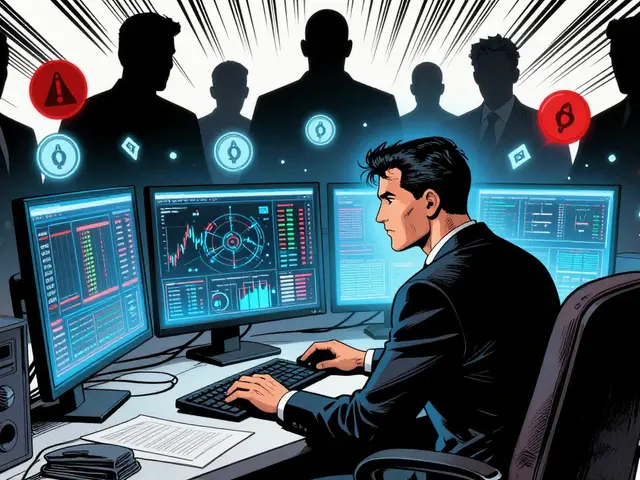
Many traders assume that if their IP address shows they are in Germany or Turkey, they are invisible. This is a dangerous misconception. Modern detection systems go far beyond IP tracking. Exchanges now employ sophisticated behavioral analysis and device fingerprinting. Even if your connection is masked, your digital footprint remains.
Consider these common failure points:
- Connection Drops: The most frequent cause of detection is a momentary lapse in VPN connectivity during a transaction. If your IP reverts to an Iranian range for even a second while executing a trade, automated flags trigger immediate suspension.
- Device Fingerprinting: Browsers and apps collect data about your hardware, operating system, and screen resolution. If your device profile matches patterns associated with known Iranian user bases, you stand out regardless of your location mask.
- Behavioral Analytics: Algorithms monitor trading habits. Sudden large transfers, specific timing patterns, or withdrawals to wallets previously flagged as Iranian can link your anonymous account back to your identity.
Free VPN services exacerbate these risks. Many lack robust encryption, making them easy targets for interception by the Iran Cyber Police (FATA). Worse, some free providers sell user data to third parties or inject malware, compromising both your privacy and your funds. In a market where trust is scarce, using unverified tools is akin to handing over your keys to a stranger.
The Underground Ecosystem: Identity Packages and IBANs
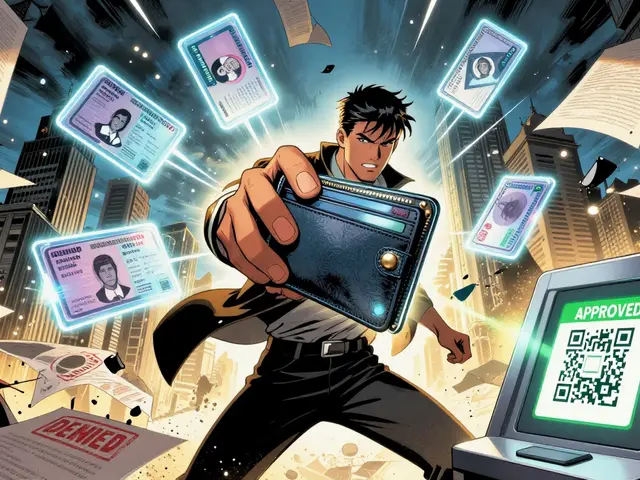
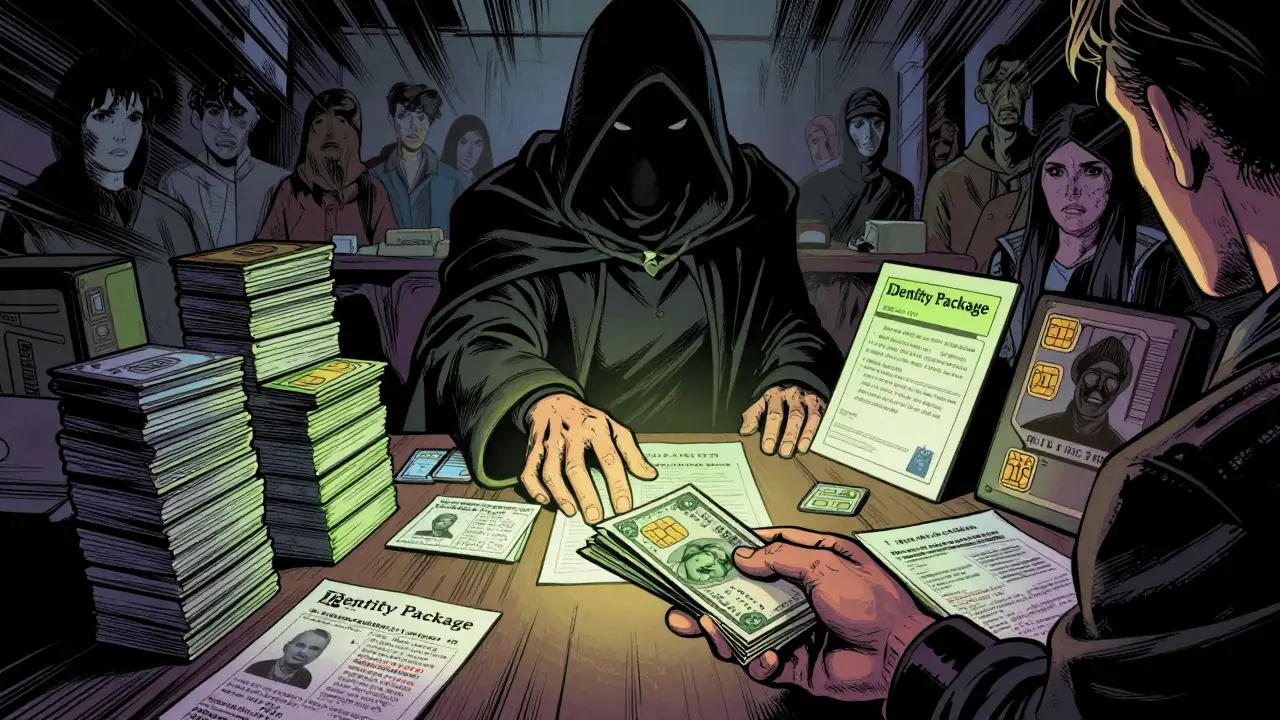
As technical barriers rose, so did the sophistication of circumvention methods. A shadow economy has emerged, offering "identity packages" to help Iranians access international markets. These aren't just fake IDs; they are comprehensive solutions including foreign International Bank Account Numbers (IBANs), SIM cards for One-Time Passwords (OTP) verification, and authentic-looking residency documents.
This underground infrastructure reflects the desperation and ingenuity of traders trying to stay afloat. Between January and July 2025, Iranian users generated approximately $3.7 billion in total cryptocurrency flows. While this represents an 11% decline from the previous year, the volume remains staggering. The sharp drop after April 2025 coincides directly with intensified enforcement actions, proving that when pressure mounts, even the most determined traders pull back.
However, these packages come with significant risks. Relying on purchased identities means your financial life depends on strangers who may disappear with your money or leak your details. Furthermore, if the underlying identity is compromised, every transaction linked to it becomes traceable, potentially exposing not just your assets but your personal safety.
Nobitex: The Double-Edged Sword
Domestic exchange Nobitex plays a central role in Iran's crypto ecosystem, processing over 87% of all Iranian-linked transaction volume in 2025. Of the $3 billion processed, more than $2 billion moved through the TRON network. This concentration creates a unique vulnerability. Because so much activity funnels through one channel, blockchain analytics firms can easily identify patterns specific to Iranian traders.
While Nobitex offers convenience and familiarity, its security record is mixed. Recent breaches exposed platform vulnerabilities and revealed its potential role in enabling warrantless surveillance. This erosion of trust has driven many users to seek alternatives, yet leaving the domestic sphere exposes them to international sanctions risks. You are essentially choosing between local surveillance and global exclusion.
| Feature | Domestic Exchanges (e.g., Nobitex) | International Exchanges (via VPN) |
|---|---|---|
| Detection Risk | High (Local surveillance, KYC required) | Very High (IP drops, behavioral analysis, AML flags) |
| Asset Security | Moderate (Platform breach risks) | Low (Account freezes, permanent bans) |
| Transaction Volume | $2B+ via TRON (2025) | Declining (76% drop in inflows, July 2025) |
| Regulatory Status | Licensed but monitored | Prohibited/Sanctioned |
Government Crackdowns and Multi-Agency Enforcement
The Iranian government does not view crypto usage as a mere nuisance; it sees it as a threat to monetary control. The Central Bank of Iran maintains strict prohibitions on domestic payments using cryptocurrencies, despite allowing licensed miners to sell coins for trade settlement. This contradiction creates a confusing regulatory environment where legality hinges on minute distinctions.
Enforcement is multi-faceted. In January 2025 alone, over one million bank accounts connected to cryptocurrency activities were frozen. This wasn't just the work of the Central Bank. The Ministry of Energy monitors electricity usage to identify unlicensed mining operations, while the Iran Cyber Police (FATA) conducts cybercrime investigations targeting illegal exchanges and darknet markets. This coordinated approach means that detection isn't limited to online monitoring; it extends to physical utilities and financial records.
If your electricity bill spikes due to mining rigs, or your bank statements show irregular transfers to crypto-related entities, you are visible. The state’s ability to cross-reference data from different agencies makes complete anonymity nearly impossible.
Adapting to New Realities: Gaming and Alternatives
As traditional trading routes become riskier, Iranians are adapting. The rise of tools like Hamster Combat, a digital currency gaming tool, illustrates this shift. Ordinary citizens and scammers alike are turning to play-to-earn models that bypass traditional exchange monitoring. These platforms offer a way to accumulate small amounts of crypto without triggering the same level of scrutiny as large-scale trading.
Yet, this adaptation comes with its own pitfalls. Illicit activity at Iranian exchanges accounts for approximately 0.9% of total volume, matching global averages, but the sheer scale of enforcement means even minor infractions can lead to severe consequences. Trust in domestic Virtual Asset Service Providers (VASPs) continues to erode, driving capital flight to foreign exchanges that are increasingly hostile to Iranian users.
Practical Steps for Risk Mitigation
If you must trade, minimize your exposure. Here are actionable steps to reduce detection risks:
- Use Dedicated Devices: Avoid trading on your primary phone or laptop. Use a separate device with a clean operating system to prevent cross-contamination of digital fingerprints.
- Invest in Premium VPNs: Free services are liabilities. Choose reputable providers with strong no-log policies and kill-switch features to prevent IP leaks during disconnects.
- Limit Transaction Sizes: Large, sudden transfers attract attention. Break down trades into smaller, less conspicuous amounts spread over time.
- Avoid Reusing Wallets: Never use the same wallet address for multiple exchanges or purposes. Each address should serve a single function to limit traceability.
- Monitor News Closely: The regulatory landscape changes rapidly. Stay informed about new enforcement actions or platform updates that might affect your status.
Remember, no method is foolproof. The goal is not to eliminate risk entirely but to manage it intelligently. As blockchain intelligence platforms expand their Iranian-focused monitoring programs, the window for safe circumvention is closing. The combination of geopolitical tensions, enhanced enforcement capabilities, and declining public trust suggests that VPN-based strategies will face increasing detection risks. Traders must remain agile, ready to pivot as new threats emerge.
Is using a VPN for crypto trading legal in Iran?
The legality is complex. While the Central Bank prohibits domestic crypto payments, VPN usage itself sits in a gray area. However, using a VPN to access sanctioned international exchanges violates anti-money laundering laws enforced by both Iranian authorities and global regulators. Enforcement has intensified significantly since 2024, with account freezes becoming common.
How do exchanges detect Iranian users behind a VPN?
Exchanges use multiple methods beyond IP tracking. These include device fingerprinting, behavioral analysis of trading patterns, withdrawal destination checks, and correlation with known Iranian wallet addresses. A single IP drop during a transaction can trigger immediate suspension.
What happened to Nobitex users in 2024?
In October 2024, blockchain intelligence firms launched bounty programs targeting Nobitex wallets. This led to widespread identification of Iranian-linked addresses, resulting in stricter KYC processes, account freezes, and increased scrutiny of transactions flowing through the platform.
Are free VPNs safe for crypto trading in Iran?
No. Free VPNs often lack proper encryption, suffer from slow speeds, and may sell user data to third parties. They are highly vulnerable to detection by the Iran Cyber Police (FATA) and increase the risk of account compromise.
How much crypto volume flows through Iran annually?
Between January and July 2025, Iranian users generated approximately $3.7 billion in total cryptocurrency flows. Despite an 11% decline from the previous year, this volume highlights the critical dependency on crypto for capital preservation and transfer.