Vietnam Crypto Legal Status 2026: End of the Gray Area and New Rules for Bitcoin
For years, if you asked a Vietnamese trader about the legal status of Bitcoin, you’d get a shrug. It wasn’t exactly illegal to hold it, but using it for payments was banned, and courts wouldn’t protect your assets if something went wrong. That gray area-where millions of people traded in a regulatory vacuum-ended on January 1, 2026.
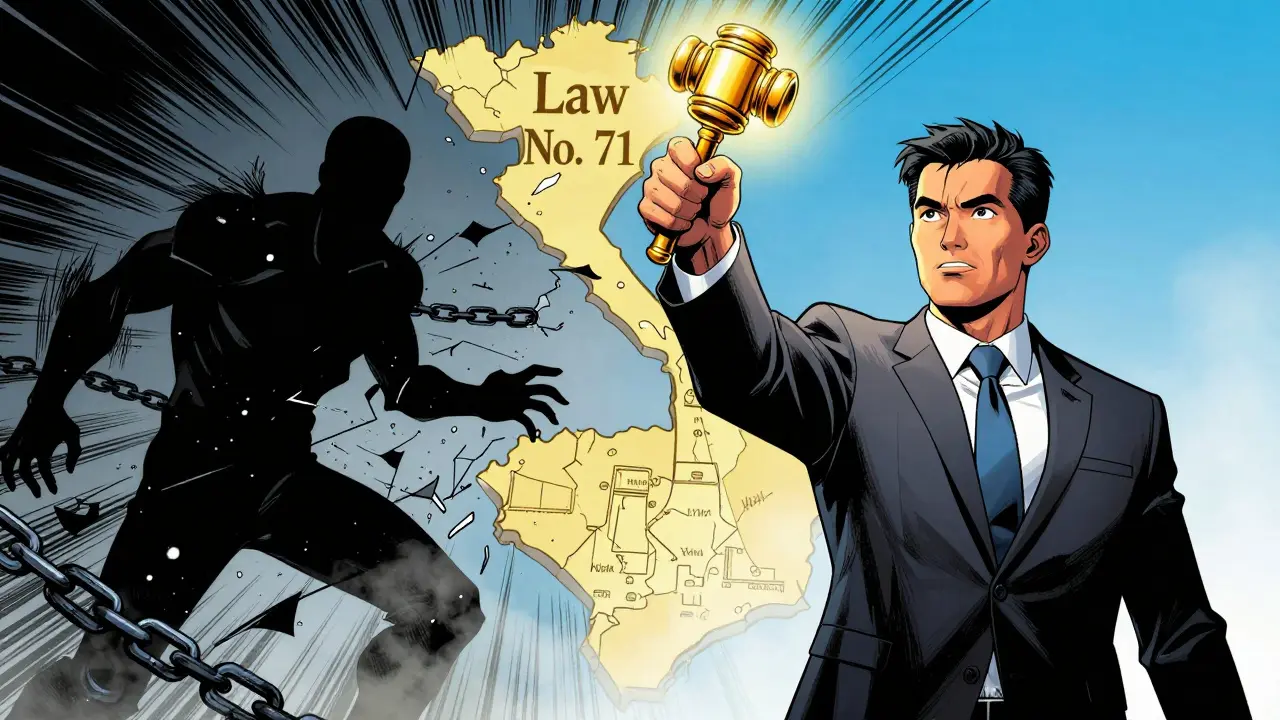
Vietnam has officially become the first country in the world to pass a comprehensive law recognizing virtual assets as legitimate property. The Law No. 71/2025/QH15 is a landmark legislation passed by the National Assembly that formally recognizes cryptocurrencies, NFTs, and virtual currencies under Vietnamese civil law. But don’t just buy Bitcoin tomorrow because it’s now "legal." The rules are strict, specific, and designed to control how you trade, who you trade with, and how much money moves through the system.
The Shift from Ambiguity to Absolute Clarity
Before 2026, Vietnam’s approach to crypto was defined by what it *didn’t* say. Since 2017, authorities warned against using crypto for payments, but they didn’t ban holding it. This created a messy environment. If an exchange hacked your account or disappeared with your funds, you had no legal recourse. You couldn’t sue them because the law didn’t recognize your Bitcoin as property worth protecting.
That changed with the new framework. Under the current law, crypto assets are now classified into three clear categories:
- Virtual Assets: Digital tokens used for exchange or investment in electronic environments.
- Crypto Assets: Assets that use encryption technology for authentication during creation and transfer (this covers most major cryptocurrencies like Bitcoin).
- Other Digital Assets: Including NFTs and utility tokens with specific use cases.
Crucially, this law grants full civil protection to these assets. This means your crypto can be owned, traded, and even inherited like any other piece of property in Vietnam. If someone steals your private keys or an exchange fails, you now have a legal basis to seek restitution. This is a massive shift from the previous eight years of uncertainty where courts often dismissed crypto-related disputes.
How You Can Trade Bitcoin Now (The Pilot Program)
While the law provides the foundation, the actual mechanics of trading are governed by Resolution 05/2025/NQ-CP is a government resolution signed in September 2025 that launched a five-year pilot program for the crypto market with strict operational controls. This resolution sets the ground rules for how the market operates until the permanent framework fully matures.
Here is what you need to know if you plan to trade in Vietnam starting in 2026:
- No Direct P2P Payments: All crypto transactions must be conducted exclusively in Vietnamese dong (VND). You cannot use Bitcoin to pay for coffee or rent. The currency conversion happens within the licensed platform, not in your hand-to-hand wallet transfers.
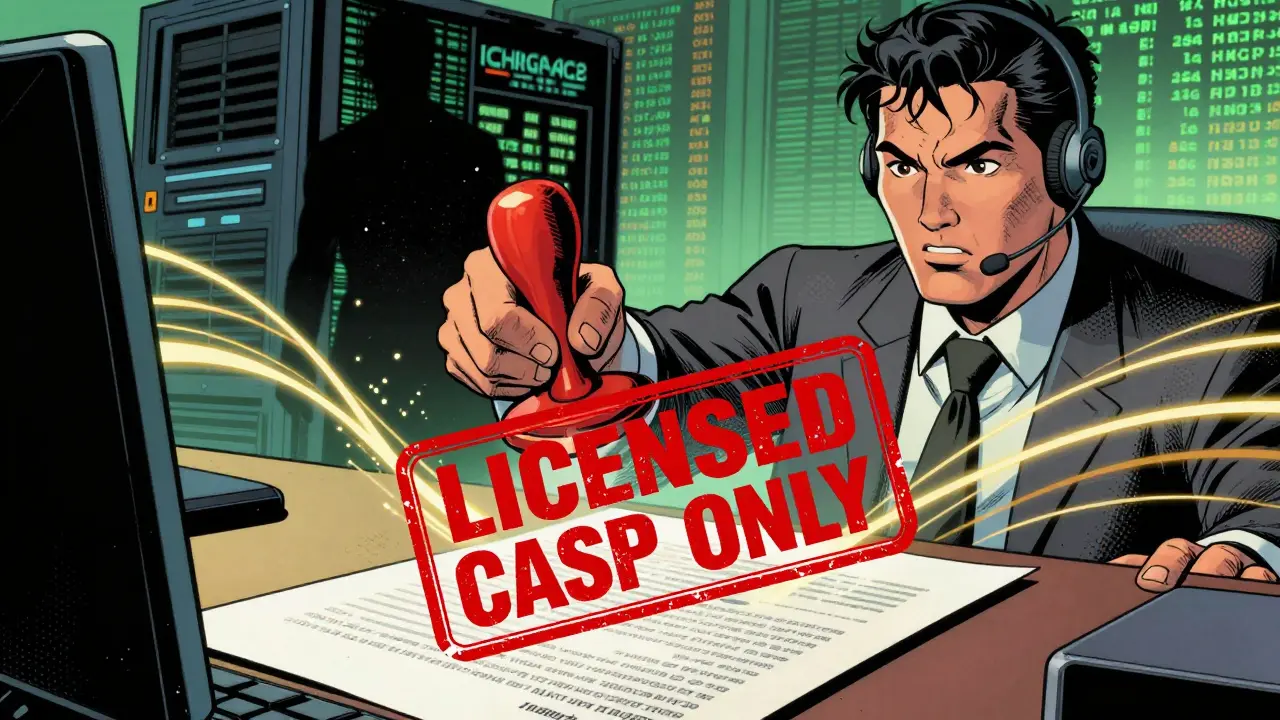
- Licensed Providers Only: After a six-month transition period following the issuance of the first licenses, domestic investors must conduct all transactions through licensed Crypto Asset Service Providers (CASPs). Trading on unlicensed offshore exchanges or peer-to-peer platforms will result in administrative sanctions or penal liability.
- Foreign Investors Have Different Rules: Foreigners can access the market through CASPs licensed by the Ministry of Finance, but the primary focus of the strict controls is on domestic retail activity.
This structure is designed to create a "controlled runway" for innovation, according to Dr. Tran Quy, President of the Vietnam Institute for Digital Economy Development. The goal isn't to stop trading; it's to ensure that every transaction is visible, taxable, and secure.
Who Gets to Run These Exchanges?
If you’re thinking of launching a crypto business in Vietnam, the barriers to entry are high. The government wants serious players only. To become a Crypto Asset Service Provider (CASP), you must meet strict criteria:
| Requirement | Detail |
|---|---|
| Minimum Capital | 10 trillion VND (approx. $400,000 USD) |
| Legal Structure | Must be a Vietnamese enterprise (LLC or Joint Stock Company) |
| Asset Backing | Real assets only. Fiat-backed or securities-backed tokens are prohibited. |
| Licensing Authority | Ministry of Finance |
Note the prohibition on fiat-backed assets. This means stablecoins like USDT or USDC, which are backed by US dollars, cannot be issued or traded directly as backed instruments in this specific context. The government wants to prevent capital flight and maintain control over the monetary supply. Instead, assets must be backed by real-world tangible value or utility, ensuring they don’t compete directly with the Vietnamese dong.

Taxation and Compliance: What You Owe
With legalization comes taxation. Currently, the tax policy for crypto asset transactions mirrors the taxation of securities. Until separate regulations are issued, you should expect to pay taxes on gains similar to how stock profits are taxed. This applies to both individuals and corporations.
Compliance goes beyond taxes. All CASPs and users must adhere to strict Anti-Money Laundering (AML) and Counter-Terrorism Financing (CTF) protocols. This includes:
- Full identity verification (KYC) for all users.
- Monitoring transactions for suspicious patterns related to terrorism financing or weapons proliferation.
- Strict cybersecurity standards to protect user data and funds.
If you violate these rules, the consequences are severe. The resolution explicitly states that violations can lead to administrative fines or criminal penalties, depending on the severity. The days of anonymous, unregulated trading are over.
Why This Matters for Southeast Asia
Vietnam’s move is not just local news; it’s a global signal. By becoming the first nation to enact such a comprehensive framework, Vietnam positions itself as a potential hub for digital asset innovation in Southeast Asia. Countries like Thailand and Singapore have their own approaches, but none have moved as quickly to provide full civil recognition while maintaining tight state control.
For developers, this clarity is a blessing. Smart contracts and digital transactions now have enforceability. Businesses can build applications knowing that the underlying assets are legally protected. For investors, it’s a double-edged sword: you gain security and legal rights, but you lose the freedom to trade anonymously or use offshore platforms without risk.
The five-year pilot program allows the government to tweak these rules. If the system works, it could become a model for other emerging markets. If it stifles growth, adjustments will be made. But one thing is certain: the gray area is gone. Whether you love the new rules or hate them, everyone in Vietnam must now play by the same book.
Is Bitcoin legal to own in Vietnam in 2026?
Yes. Under Law No. 71/2025/QH15, cryptocurrencies like Bitcoin are recognized as legal property with full civil protection. You can own, trade, and inherit them, provided you follow the trading regulations set by the Ministry of Finance.
Can I use Bitcoin to pay for goods and services in Vietnam?
No. The resolution requires all crypto transactions to be conducted in Vietnamese dong (VND). You cannot use Bitcoin directly as a medium of exchange for daily purchases. You must convert it to VND through a licensed provider before spending.
No. The resolution requires all crypto transactions to be conducted in Vietnamese dong (VND). You cannot use Bitcoin directly as a medium of exchange for daily purchases. You must convert it to VND through a licensed provider before spending.
What happens if I trade on unlicensed offshore exchanges?
After the six-month transition period, domestic investors must use only licensed Crypto Asset Service Providers (CASPs). Trading on unlicensed platforms can result in administrative fines or criminal penalties, as these activities fall outside the legal framework.
Are stablecoins like USDT allowed in Vietnam?
The current framework prohibits the issuance of crypto assets backed by fiat currencies or securities. This effectively bans the direct issuance of fiat-backed stablecoins like USDT within the regulated CASP system, though existing holdings may be subject to specific transitional rules.
How are crypto gains taxed in Vietnam?
Currently, crypto asset transactions are taxed similarly to securities transactions. Until specific crypto tax laws are issued, you should report your gains and pay taxes according to the existing securities tax regulations.
When did the new crypto law take effect?
Law No. 71/2025/QH15 took effect on January 1, 2026. The accompanying pilot program under Resolution 05/2025/NQ-CP began shortly after, with a six-month grace period for domestic investors to migrate to licensed platforms.