VALR Crypto Exchange Review: Fees, Safety, and Real User Experience
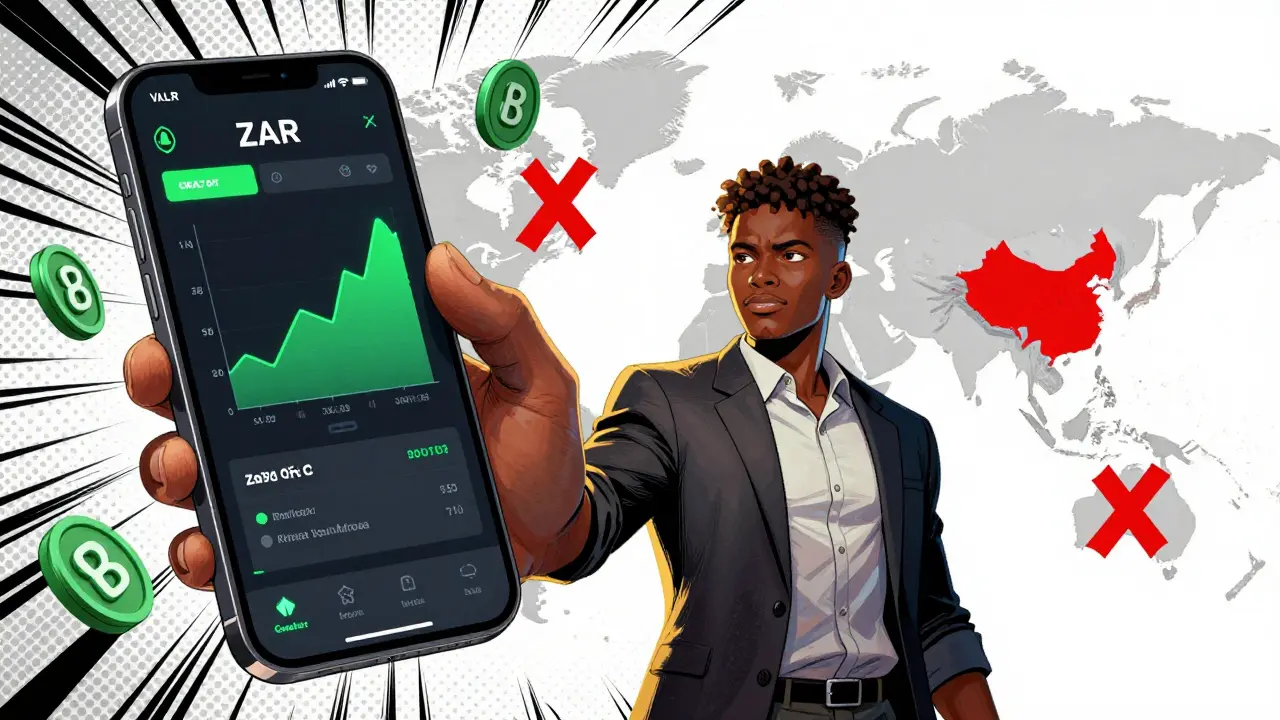
Buying Bitcoin in Johannesburg feels different than buying it in London or New York. You face specific banking hurdles, strict local regulations, and a need for platforms that actually understand the South African financial landscape. That is exactly where VALR comes in. Founded in 2018 by Farzam Ehsani, Badi Sudhakaran, and Theo Bohnen, this Johannesburg-based exchange has grown into one of the most recognizable names in African crypto trading. But does it live up to the hype for you?
I’ve spent weeks testing the platform, digging into their fee structures, and comparing them against global giants like Binance and Coinbase. If you are looking for a smooth entry point into crypto with ZAR support, VALR is worth your attention. However, if you are an international trader outside Africa, you might hit some walls. Let’s break down what works, what doesn’t, and whether VALR deserves a spot on your trading dashboard.
The Quick Verdict: Who Is VALR For?
Before we get into the weeds, here is the bottom line. VALR is an excellent choice for South African residents who want a reliable, locally compliant platform with low fees. It shines in simplicity and speed for fiat-to-crypto conversions. However, it falls short for beginners who need hand-holding education and for traders who want hundreds of obscure altcoins.
- Best For: South African users, spot traders, and those seeking low-fee entry points.
- Avoid If: You reside in the US, Canada, or Russia, or if you need advanced charting tools and demo accounts.
Getting Started: Registration and Security
One of the first things you notice about VALR is how frictionless the sign-up process is. Unlike some exchanges that make you jump through hoops before you can even see a price chart, VALR lets you register in under five minutes. You provide basic details, verify your identity (KYC), and you are ready to go. This speed is crucial in a market where prices move fast.
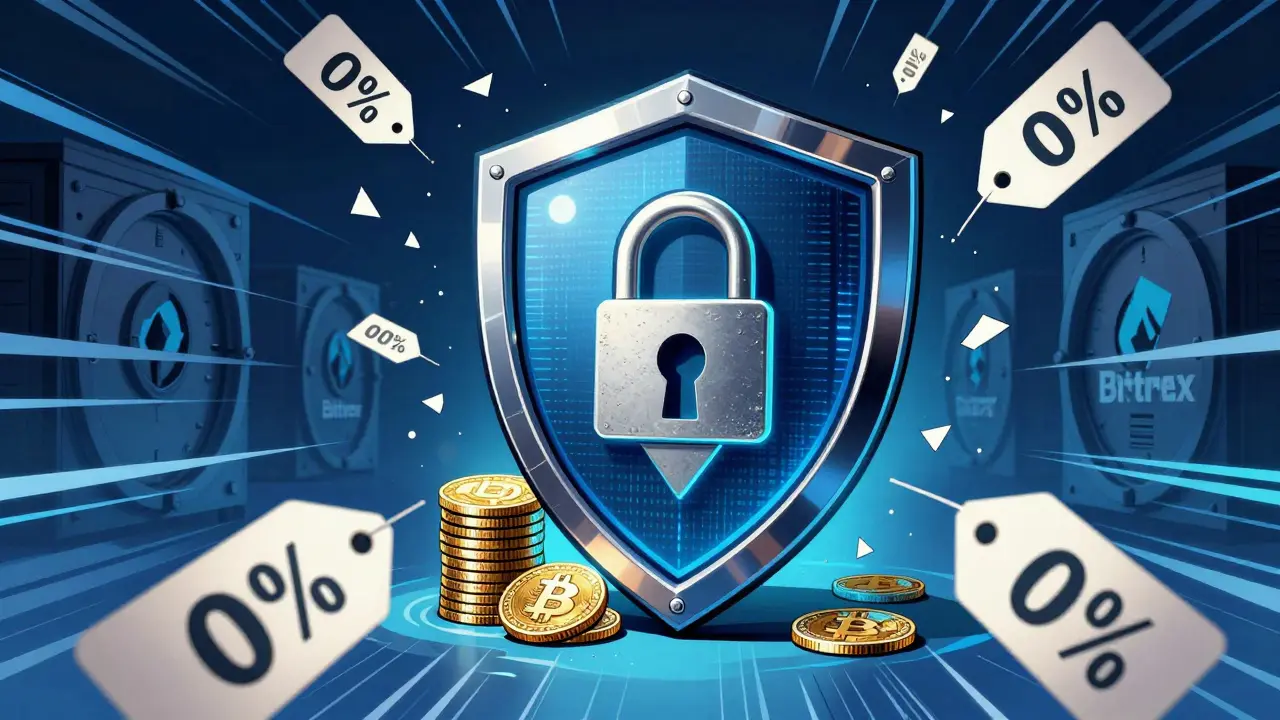
But speed shouldn’t come at the cost of security. Here, VALR takes a conservative approach. They store the majority of user funds in cold storage-offline wallets that are immune to online hacks. Additionally, they utilize the Bittrex system for fund storage, adding another layer of protection. Two-factor authentication (2FA) is mandatory, which is a good practice. SSL encryption protects your data in transit. While these measures are standard for reputable exchanges, they are essential given the history of hacks in the crypto space.
However, there is a catch regarding regulation. VALR operates without a license from the Financial Sector Conduct Authority (FSCA) or major international bodies like the SEC. This isn’t necessarily a red flag for all users, but it means you don’t have the same consumer protections as you would with a traditional bank. The platform relies on its reputation and backing from heavy hitters like Pantera Capital and Coinbase Ventures to build trust. For institutional investors, this lack of formal licensing might be a dealbreaker. For retail traders, it’s a risk factor to keep in mind.
Fees: Where VALR Shines
If you trade frequently, fees eat into your profits faster than bad timing. This is where VALR really punches above its weight class. Their fee structure is aggressively competitive, especially for makers (those who add liquidity to the order book).
| Trading Type | Maker Fee | Taker Fee | Notes |
|---|---|---|---|
| Spot Trading | 0% | 0.05% | Highly competitive for limit orders |
| Futures Trading | 0% | 0.04% | Low cost for leveraged positions |
| Deposit (ZAR) | Free | - | No minimum deposit |
| Referral Bonus | Up to 15% discount on fees | ||
Notice the zero maker fees? If you use limit orders, you pay nothing to place them. Even taker fees (for market orders) are lower than many competitors. Plus, if you refer friends, you can slash your costs further. For high-volume traders, these savings add up quickly. Compare this to older exchanges charging 0.1% or more, and VALR looks like a steal.
Features: What Can You Actually Do?
VALR isn’t just a place to buy Bitcoin. It offers a suite of tools designed to keep your money working. Here is what stands out:
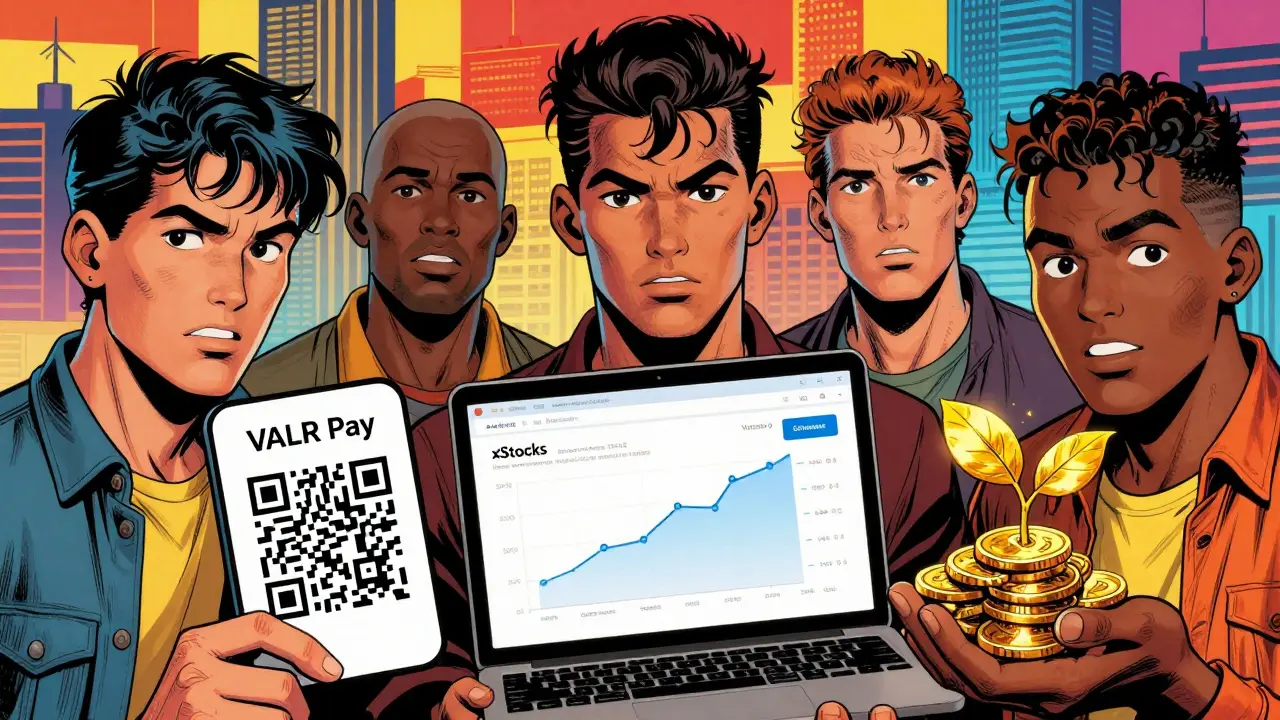
- xStocks (Tokenized Stocks): This is a unique feature. You can trade tokenized versions of real-world stocks directly on the crypto exchange. It bridges the gap between traditional finance and crypto, allowing diversification without leaving the app.
- Staking and Lending: Earn passive income. VALR offers hourly staking rewards on certain assets. If you hold Ethereum or other supported coins, you earn yield automatically. It’s set-and-forget income.
- VALR Pay: Send crypto or cash to any mobile number using QR codes. This peer-to-peer feature is incredibly useful for splitting bills or sending money to family without bank delays.
- Leverage Trading: Access up to 1:10 leverage on futures. This amplifies your gains (and losses), so it’s strictly for experienced traders.
The platform supports over 75 cryptocurrencies, including Bitcoin, Ethereum, Solana, and Litecoin. While this selection covers the major players, it pales in comparison to Binance or Kraken, which list hundreds of tokens. If you are hunting for niche altcoins or new meme coins, you won’t find them here. VALR focuses on quality over quantity.
User Experience: App vs. Web
I tested both the web interface and the mobile app. The web version is clean, uncluttered, and fast. Charts load instantly, and order placement is intuitive. There is no confusing clutter of buttons you don’t need. For desktop trading, it’s a solid experience.
The mobile app, however, is where VALR truly excels. With a 4.3-star rating on Google Play and over 500,000 downloads, users clearly love it. The interface is smooth, responsive, and optimized for quick trades on the go. Features like VALR Pay work seamlessly on mobile, making it a practical wallet for daily use. One user noted, "The platform is smooth and easy to use... never under promise." That kind of reliability is rare in crypto apps.
However, the educational side is lacking. There are no demo accounts, limited tutorials, and sparse guides for beginners. If you are brand new to crypto, you might feel lost. VALR assumes you already know the basics. You’ll need to rely on external resources to learn strategy and risk management.
Deposits and Withdrawals: The Local Advantage
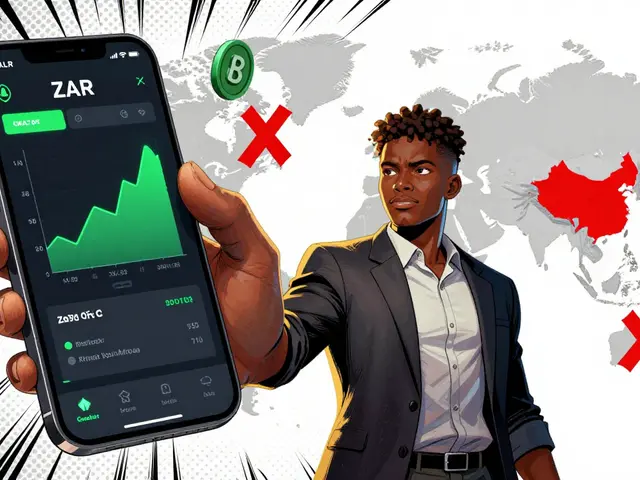
For South Africans, VALR is a dream. You can deposit via EFT, SEPA, wire transfer, or local credit/debit cards. Minimum deposits are low ($10 or €1), and ZAR deposits often have no minimum. Withdrawals to local banks are processed efficiently. This seamless fiat integration solves one of the biggest pain points for African crypto users: getting money in and out easily.
International users, though, will struggle. VALR restricts services in the US, Canada, India, Russia, and several other countries. Even if you are in an allowed country, deposit methods may be limited to wire transfers, which are slow and expensive. If you aren’t in Africa or Europe, look elsewhere.
Risks and Limitations
No exchange is perfect. VALR has notable weaknesses. First, the regulatory ambiguity. Without FSCA licensing, you operate in a gray area. Second, the limited coin selection excludes many popular altcoins. Third, customer support, while available 24/7 via chatbot and email, lacks the depth of human assistance found on larger platforms. Complex issues can take time to resolve.
Also, consider the concentration risk. VALR stores funds in Bittrex. While Bittrex is reputable, relying on a third-party custodian adds a layer of counterparty risk. Always ensure you are comfortable with this model before depositing large sums.
Final Thoughts
VALR is not trying to be the next Binance. It is carving out a niche as the premier crypto gateway for South Africa. Its low fees, robust mobile app, and unique features like xStocks make it a compelling choice for regional users. If you are in South Africa, give it a try. The ease of use and cost savings are hard to beat. If you are outside Africa, or if you demand extensive educational resources and a vast array of altcoins, you might find VALR too limited. Use it as part of a diversified portfolio, but keep your eyes open for better options depending on your location and trading style.
Is VALR safe for beginners?
VALR is relatively safe due to cold storage and 2FA, but it lacks educational resources for beginners. New users should start small and learn crypto basics externally before trading heavily.
Can I use VALR in the United States?
No. VALR restricts access to users in the United States, Canada, Russia, India, and several other countries due to regulatory compliance.
What are the fees for trading on VALR?
VALR charges 0% maker fees and 0.05% taker fees for spot trading. Futures trading has 0% maker and 0.04% taker fees. Referrals can reduce fees by up to 15%.
Does VALR offer a demo account?
No, VALR does not currently offer a demo account or paper trading feature. Users must trade with real funds.
How do I deposit ZAR into VALR?
You can deposit ZAR via EFT, local debit/credit cards, or wire transfers. Minimum deposits vary by method, but ZAR deposits often have no minimum requirement.