Underground Crypto Trading in Tunisia: Risks, Methods, and the Path to Legalization
Imagine trying to buy a cup of coffee with money that the government says doesn’t exist. For thousands of Tunisians, this is the daily reality of underground crypto trading, which involves buying and selling digital assets like Bitcoin outside of official channels due to strict legal prohibitions.. Since the Central Bank of Tunisia (BCT) issued its comprehensive ban in May 2018, holding or trading cryptocurrency has been classified as a criminal offense. Yet, despite the threat of imprisonment and asset seizure, a robust shadow economy has flourished. This isn't just about tech enthusiasts chasing profits; it’s about ordinary citizens navigating a financial system that restricts their ability to move money freely across borders.
The Reality of the 2018 Ban
To understand why the underground market is so active, you have to look at what changed in 2018. Before that year, Tunisia existed in a regulatory gray area from 2013 to 2017. Then, the BCT drew a hard line. The ban wasn’t just a warning; it was a complete prohibition on using cryptocurrencies for public transactions. The logic behind this decision stems from Tunisia’s adherence to Islamic finance principles and existing banking laws designed to protect the national currency, the Tunisian Dinar (TND), a non-convertible currency strictly controlled by the state.
The consequences are severe. Unlike countries where crypto might be unregulated but tolerated, Tunisia actively prosecutes violators. In 2021, a teenager was jailed for operating a local crypto exchange, a case that sparked national debate but did little to stop the trend. Banks are instructed to monitor accounts for suspicious activity related to crypto transfers. If they spot one, they freeze the account. This creates a high-stakes environment where every transaction carries the risk of losing your entire life savings.
How Traders Bypass the Blockade
If exchanges are banned and banks block transfers, how does anyone actually trade? The answer lies in sophisticated circumvention methods. The backbone of this underground infrastructure is Peer-to-Peer (P2P) platforms. Binance P2P and LocalBitcoins serve as the dominant channels for Tunisian users. These platforms allow users to find each other directly without a central intermediary holding funds.
Here is how a typical transaction works in the shadows:
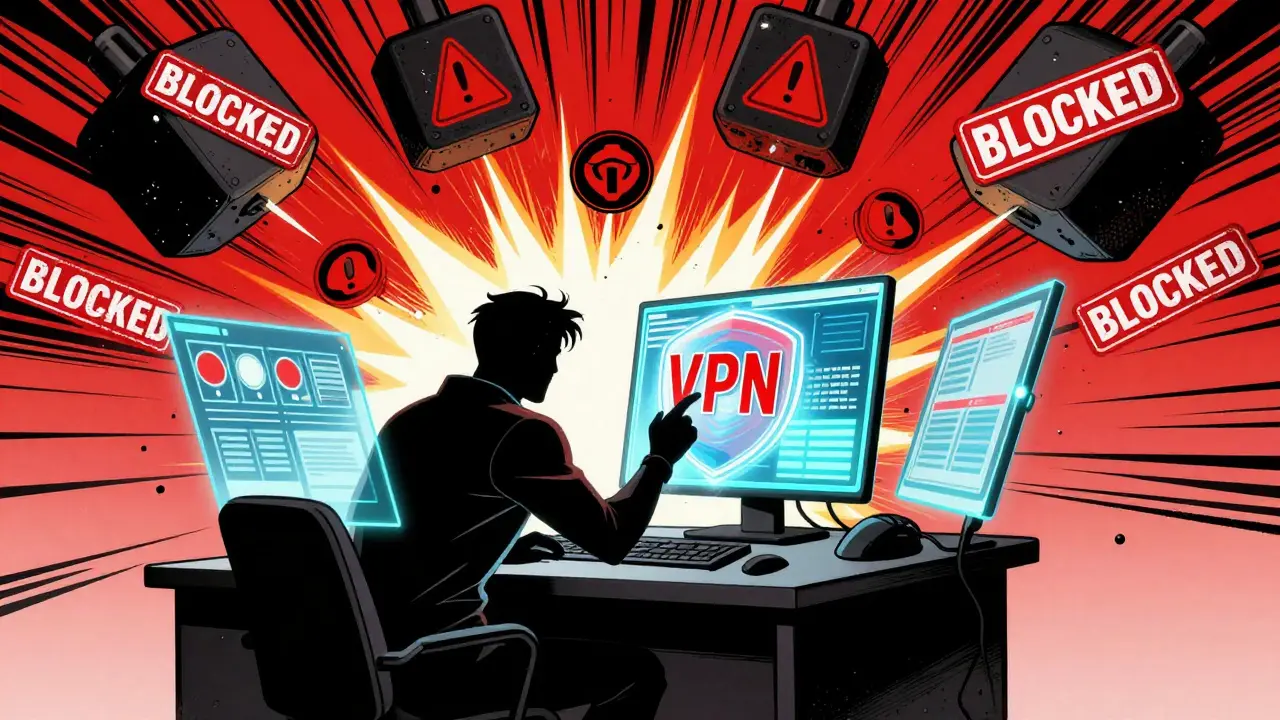
- Access: Traders use Virtual Private Networks (VPNs) to bypass government internet filters that target known crypto-related websites and IP addresses.
- Finding a Counterparty: A buyer searches for a seller offering USDT or Bitcoin priced in Tunisian Dinars. They agree on a price and a payment method.
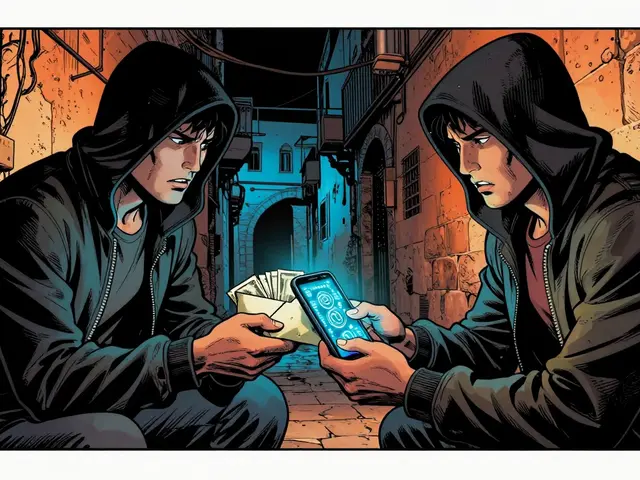
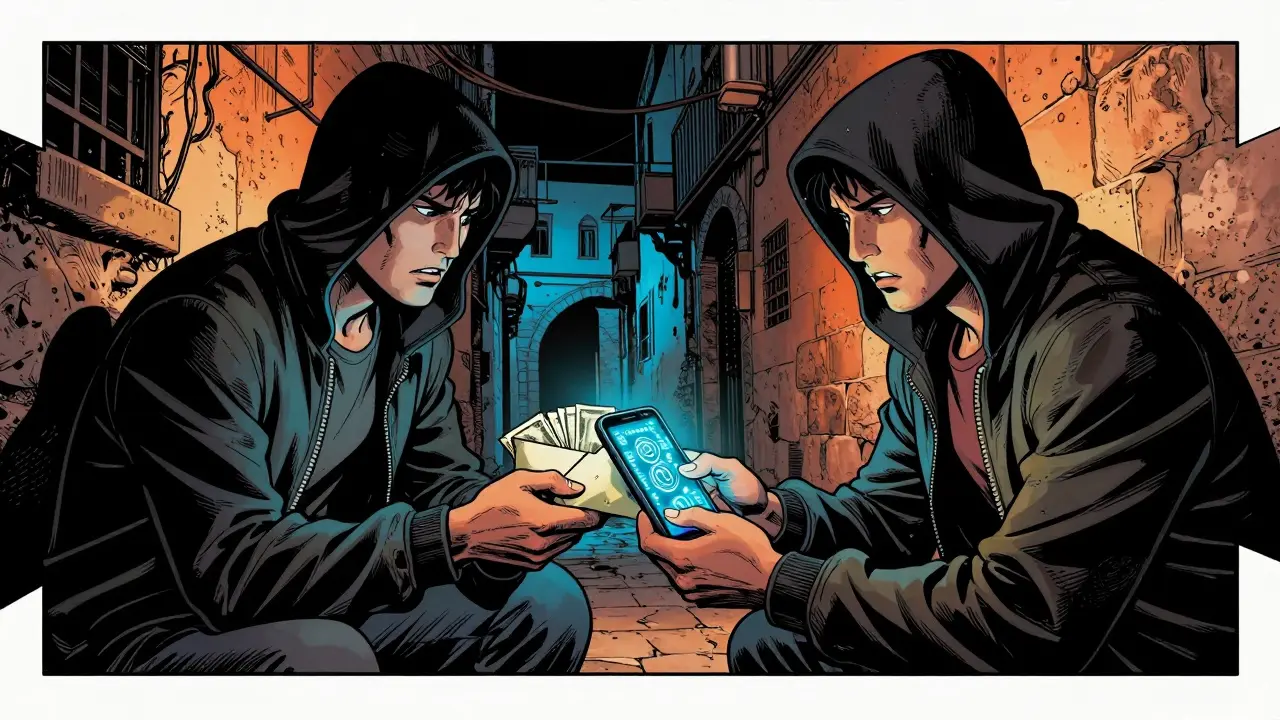
- Cash Settlement: Because bank transfers are risky, many deals happen in cash. Sellers often meet buyers in person or use informal networks to deposit cash into specific accounts that aren't flagged.
- Escrow Release: Once the seller confirms receipt of the fiat currency, the platform releases the crypto from escrow to the buyer.
The Banking Wall: Fiat Conversion Challenges
The biggest hurdle isn't buying crypto; it's getting your money out. Tunisian banks automatically block any withdrawal or transfer that looks like it’s connected to cryptocurrency services. This means if you earn income through freelancing paid in Bitcoin, you cannot simply sell it on an exchange and have the TND deposited into your bank account.
This forces traders into creative, and often dangerous, workarounds. Some use "money mules"-people who lend their bank accounts to receive crypto proceeds and then pass the cash along, taking a cut. Others rely on complex layering techniques, moving money through multiple personal accounts to obscure the source. These methods not only violate banking regulations but also expose traders to fraud. Without legal recourse, if a counterparty scams you, there is no police station that will help you recover your stolen crypto.
Popular Platforms and Assets
While no licensed exchange operates within Tunisia, international platforms remain accessible via VPNs. The most popular cryptocurrencies among underground traders are Bitcoin, Ethereum, and USDT (Tether). USDT is particularly favored because it is stable, pegged to the US dollar, and easier to convert back to fiat than volatile assets.
Beyond P2P platforms, traders utilize several centralized exchanges that offer advanced tools and lower fees. These include:
- UEEx: Known for low fees and support for emerging markets.
- MEXC: Offers a wide variety of altcoins and high liquidity.
- KuCoin: Popular for its user-friendly interface and extensive coin selection.
- OKX: Provides advanced trading features and strong security protocols.
- Gate.io: Often used for listing newer tokens.
- Nexo: Used for earning interest on holdings, though less common for direct trading.
| Method | Risk Level | Anonymity | Speed | Primary Use Case |
|---|---|---|---|---|
| P2P Cash Exchange | High (Physical Safety) | High | Instant | Large amounts, avoiding banks |
| Bank Transfer via Mule | Critical (Legal Risk) | Low | 1-2 Days | Converting large sums to TND |
| Centralized Exchange (VPN) | Medium (IP Tracking) | Medium | Instant | Trading volatility, holding assets |
| DeFi Wallets | Low (No KYC) | Very High | Depends on Network | Privacy-focused storage |
The Brain Drain Effect
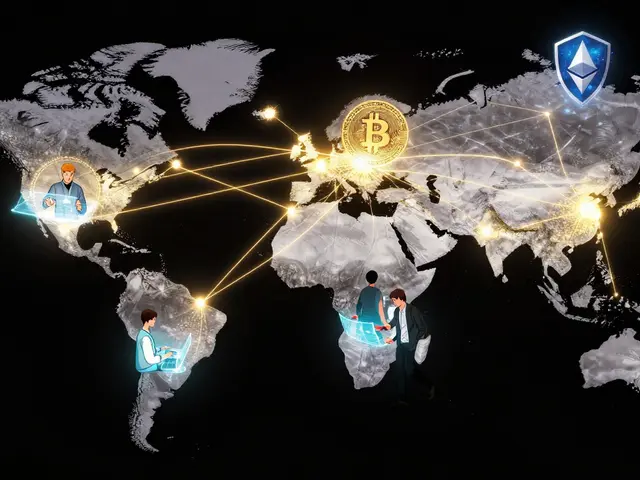
The prohibition has had an unintended consequence: it is driving talent away. Many Tunisian entrepreneurs and tech-savvy developers are migrating their operations to more crypto-friendly jurisdictions like Canada and Switzerland. These countries offer legal frameworks that protect investors and promote innovation. When these individuals leave, they take their skills, capital, and potential tax contributions with them. This brain drain deprives Tunisia’s economy of high-tech contributions and positions the country as a laggard in the global fintech race.
Meanwhile, a contradiction persists. While citizens face prosecution for private crypto trading, the state postal service, Poste Tunisienne, is ironically working on blockchain payment systems. Additionally, the Central Bank is researching Central Bank Digital Currencies (CBDCs). Local tech firms continue to explore Decentralized Finance (DeFi) and Non-Fungible Token (NFT) projects, suggesting that the underlying technology is being embraced even if the decentralized aspect is rejected.

Hopes for Legalization
Is the situation changing? There are signs of a shift. Parliamentary committees are currently considering a draft bill that could decriminalize cryptocurrency possession and introduce a licensing regime. This would mark a significant departure from the total prohibition stance maintained since 2018. The Central Bank has shown cautious progress by exploring fintech licenses and advancing CBDC research.
If legalized, businesses would need to comply with strict Anti-Money Laundering (AML) requirements. This includes:
- Customer Due Diligence (CDD): Verifying identities of all clients.
- Enhanced Due Diligence (EDD): Extra scrutiny for high-risk clients, including Politically Exposed Persons (PEPs).
- Know Your Customer (KYC): Mandatory identification programs using official photo documents and address verification.
- Record Keeping: Companies must retain records for at least 10 years.
- Reporting: Suspicious transactions must be reported to the Tunisian Financial Analysis Committee (CTAF) within 10 days.
Safety Tips for Current Traders
If you are currently engaging in underground trading in Tunisia, understanding the risks is paramount. Here are practical steps to minimize exposure:
- Never Use Personal Bank Accounts: Avoid linking your primary bank account to any crypto exchange, even if using a VPN. Banks share data with the BCT.
- Use Hardware Wallets: Store your assets on cold storage devices like Ledger or Trezor rather than leaving them on exchanges. This protects you from exchange hacks and seizures.
- Vet Counterparties: On P2P platforms, only trade with users who have high feedback scores and long histories. Check their chat history for red flags.
- Keep Transactions Small: Large, sudden transfers are more likely to trigger alerts. Spread out your activity over time.
- Stay Informed: Follow legal updates closely. The landscape is shifting, and what is illegal today might be regulated tomorrow.
Is it legal to own Bitcoin in Tunisia?
No. As of 2026, owning, buying, or selling cryptocurrency is illegal under the Central Bank of Tunisia's 2018 ban. Possession can lead to confiscation of assets, fines, and potential imprisonment, although recent parliamentary discussions suggest decriminalization may be considered in the future.
Can I use Binance in Tunisia?
Technically, no. Binance is not licensed to operate in Tunisia, and accessing it violates local laws. However, many users access it via VPNs and use the P2P feature to trade with local counterparts using cash or informal transfers to avoid banking blocks.
What happens if my bank finds out I'm trading crypto?
Your bank is required to report suspicious transactions to the Tunisian Financial Analysis Committee (CTAF). They may freeze your account immediately. You could face legal action, including charges for violating foreign exchange regulations and anti-money laundering laws.
Are there any legal ways to invest in blockchain in Tunisia?
Currently, there are no legal ways to trade cryptocurrencies. However, developing blockchain applications for supply chain management, voting systems, or healthcare records is not explicitly banned, as long as it does not involve issuing or trading digital currencies. This is a nuanced area, and legal counsel is recommended.
When will crypto be legalized in Tunisia?
There is no confirmed date. Parliamentary committees are reviewing a draft bill to decriminalize possession and create a licensing regime, but the timeline is uncertain. The Central Bank is focusing on CBDC research first, which may delay broader crypto regulation.
Why is Tunisia banning crypto while other countries embrace it?
Tunisia’s ban is driven by concerns over capital flight, money laundering, and adherence to Islamic finance principles that prohibit speculative instruments. The non-convertible nature of the Tunisian Dinar makes the government highly sensitive to any alternative currency that could undermine monetary policy.
What is the safest way to store crypto in Tunisia?
The safest method is using a hardware wallet (cold storage) that is not connected to the internet. This ensures that even if your computer or phone is seized or hacked, your private keys remain secure. Never store large amounts on online exchanges.
Can I freelance and get paid in crypto legally?
Receiving payment in crypto is illegal. Most Tunisian freelancers accept payments in USD or EUR via traditional banking channels or PayPal (if available) and then convert it locally. Accepting crypto directly exposes you to legal risks and banking complications.