Iranian crypto rules: What you can and can't do with crypto in Iran
When it comes to Iranian crypto rules, the official stance on cryptocurrency in Iran is a mix of tolerance, control, and contradiction. Also known as Iran’s digital currency regulations, these rules let citizens mine and trade crypto—but only under strict government oversight. Unlike countries that ban crypto outright, Iran doesn’t outlaw it. Instead, it tries to control it through licensing, taxation, and energy limits. This isn’t about banning Bitcoin. It’s about making sure the state gets a cut, keeps control over capital flight, and uses crypto mining to boost its struggling economy.
One of the biggest contradictions? Iran allows crypto mining, a major industry that consumes massive amounts of electricity. Also known as Iranian crypto mining, it’s one of the few legal ways for ordinary people to earn foreign currency. The government even issues mining licenses and sets electricity rates for miners. But here’s the catch: you can’t use mined crypto to buy imports, send money abroad, or trade on international exchanges. You’re stuck with local platforms, and even those are monitored. The Central Bank of Iran doesn’t recognize crypto as legal tender, so banks won’t touch it. If you try to convert your Bitcoin to rials through a bank, you’ll get blocked—or worse. Meanwhile, crypto exchanges, like those operating in the U.S. or Europe, are completely off-limits to Iranian users. Also known as foreign crypto platforms, services like Binance or Kraken are blocked by Iran’s internet filters. People use VPNs to get around this, but it’s risky. Getting caught using an unapproved exchange can lead to fines, asset seizures, or even jail time.
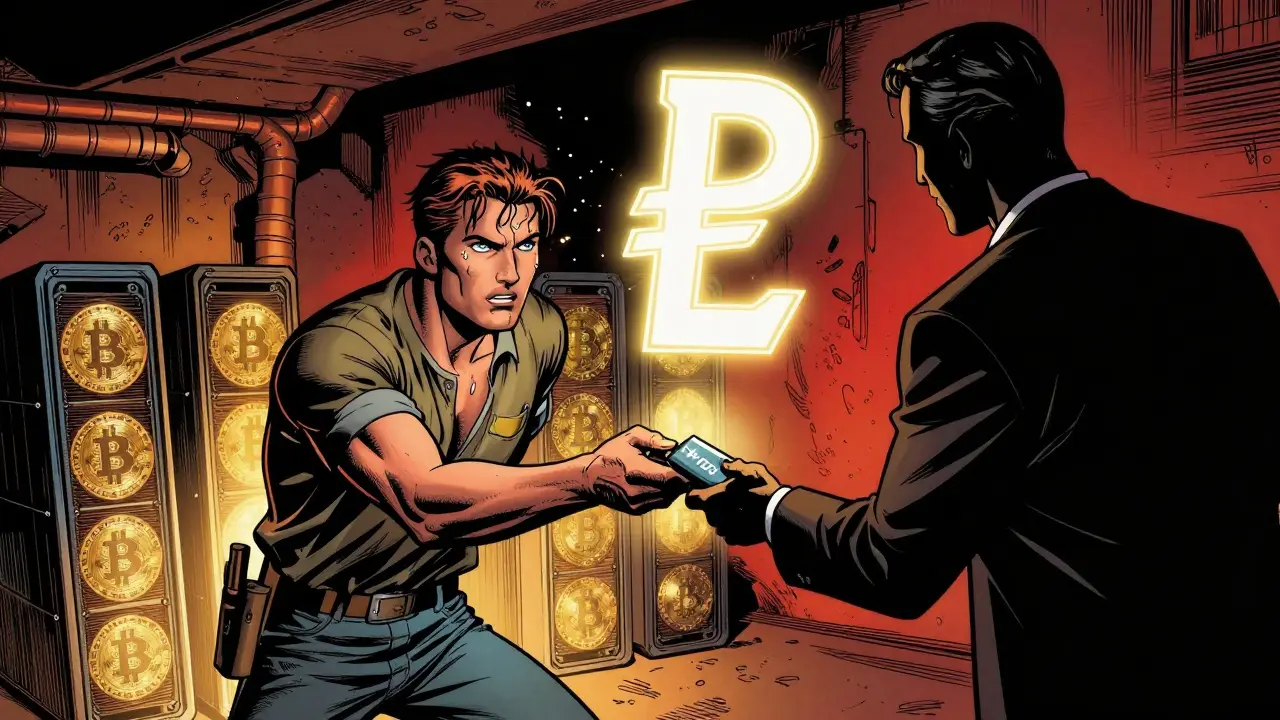
What’s surprising is how much crypto thrives under these conditions. Iran is one of the top five crypto mining nations in the world, thanks to cheap state-subsidized power. But miners don’t operate in big warehouses—they run rigs in garages, basements, and even apartments. Many do it part-time, just to survive inflation. The government knows this, and instead of shutting it down, it taxes the miners and takes a cut of their hardware imports. It’s a strange system: crypto is illegal as money, but legal as a power-consuming industrial tool.
For users, the real challenge isn’t finding crypto—it’s moving it. There’s no easy way to cash out. Local peer-to-peer platforms exist, but they’re unregulated, slow, and full of scams. You’ll find people trading Bitcoin for rials on Telegram groups, but if the deal goes bad, there’s no recourse. No one’s protecting you. That’s why most Iranians who use crypto keep it in non-custodial wallets like MetaMask or Ledger. They don’t trust exchanges. They don’t trust banks. They trust their own keys.
What you’ll find in the posts below are real stories and facts about how crypto works in Iran—not theory, not hype. You’ll see how mining licenses are issued, what penalties apply for using foreign exchanges, how Iranians bypass internet blocks, and why crypto is more about survival than speculation. There’s no sugarcoating here. These rules aren’t designed to help investors. They’re designed to keep the state in control. And if you’re trying to navigate this system, you need to know exactly where the lines are drawn.
Iran regulates cryptocurrency tightly - not to ban it, but to control it. In 2025, mining, trading, and holding crypto come with strict limits, taxes, and surveillance. Here’s what you need to know.
READ MORE