
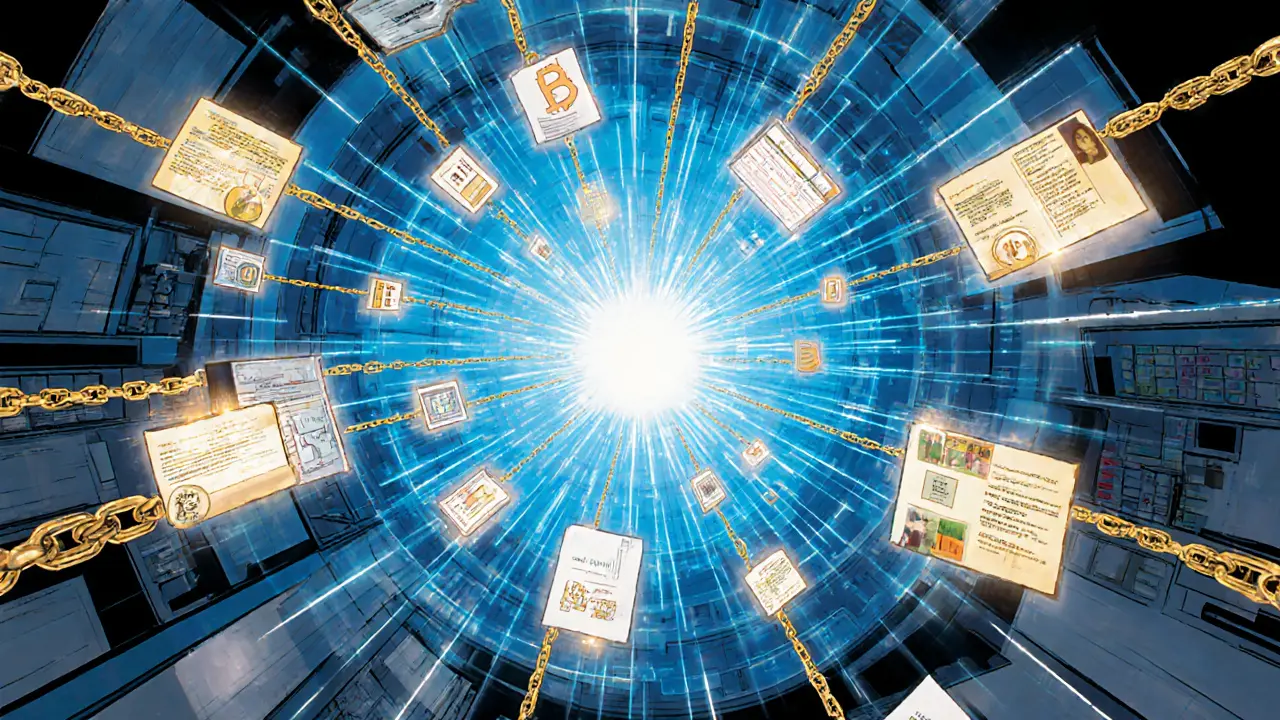
How Blockchain Technology is Revolutionizing Industries
International Payment Cost Calculator
How It Works
Traditional banks take 3+ days and charge $30+ for international transfers.
Blockchain payments complete in under 1 minute for less than $1.
Source: Article example: Kenya to Mexico transfer in under 1 minute for $0.99
Enter details above to see savings comparison
Blockchain isn’t just about Bitcoin anymore. Five years ago, most people thought it was a fancy way to trade digital money. Today, it’s quietly changing how hospitals track patient records, how farmers prove their coffee is ethically grown, and how governments issue digital IDs. The real revolution isn’t happening in crypto wallets-it’s happening in factories, shipping ports, power grids, and clinics around the world.
Why Blockchain Works When Other Systems Fail
Traditional databases are like locked diaries kept by one person. If that person makes a mistake, or worse, lies, there’s no way to prove it. Blockchain is different. It’s a shared notebook, copied across hundreds or thousands of computers. Every time someone adds a new page, everyone else checks it. If even one person says it’s wrong, the page gets rejected. No single entity controls it. That’s why it’s called decentralized. This isn’t just theory. In 2024, a major food distributor in Europe traced a batch of contaminated spinach from farm to store in 2.3 seconds using blockchain. Before? It took seven days. Why? Because every step-harvest, wash, pack, ship, scan, stock-was recorded on the chain. No one could delete or alter it. That’s the power of immutability. Smart contracts take this further. These aren’t legal documents signed with ink. They’re self-executing code. If a shipment arrives on time, payment releases automatically. If it’s late? The buyer gets a refund. No lawyers, no delays, no disputes. Companies like Maersk and Walmart now use these to cut administrative costs by up to 40%.Finance: Cutting Out the Middlemen
Banks used to be the only way to send money across borders. Now, a person in Kenya can send $50 to their family in Mexico in under a minute for less than $1. That’s thanks to blockchain-based payment networks like Ripple and Stellar. Traditional wire transfers? They can take three days and cost $30 or more. Decentralized finance, or DeFi, lets anyone lend, borrow, or earn interest without a bank. In 2025, over $120 billion in assets are locked in DeFi protocols worldwide. You don’t need a credit score. You don’t need a bank account. You just need a smartphone and an internet connection. Central banks aren’t sitting still. China’s Digital Yuan is now used by over 300 million people. The European Central Bank is testing its Digital Euro with 10 million users in pilot programs. These aren’t cryptocurrencies-they’re digital versions of real money, issued and controlled by governments. Why? To reduce fraud, improve tax collection, and give people faster access to emergency funds.Supply Chains: From Farm to Fork, Without Lies
Ever bought organic produce and wondered if it was really organic? Or bought a diamond and worried it came from a war zone? Blockchain fixes that. In Peru, coffee farmers now use blockchain to prove their beans are shade-grown and fair-trade. Each bag gets a digital tag. When it reaches a café in Berlin, the buyer scans the code and sees the exact farm, harvest date, and even the farmer’s photo. No middlemen can fake the data. In pharmaceuticals, blockchain stops counterfeit drugs. In 2023, the WHO estimated 1 in 10 medicines in low-income countries were fake. With blockchain, every pill’s journey-from manufacturer to pharmacy-is tracked. If a batch is recalled, the system instantly isolates it. No guesswork. No delays.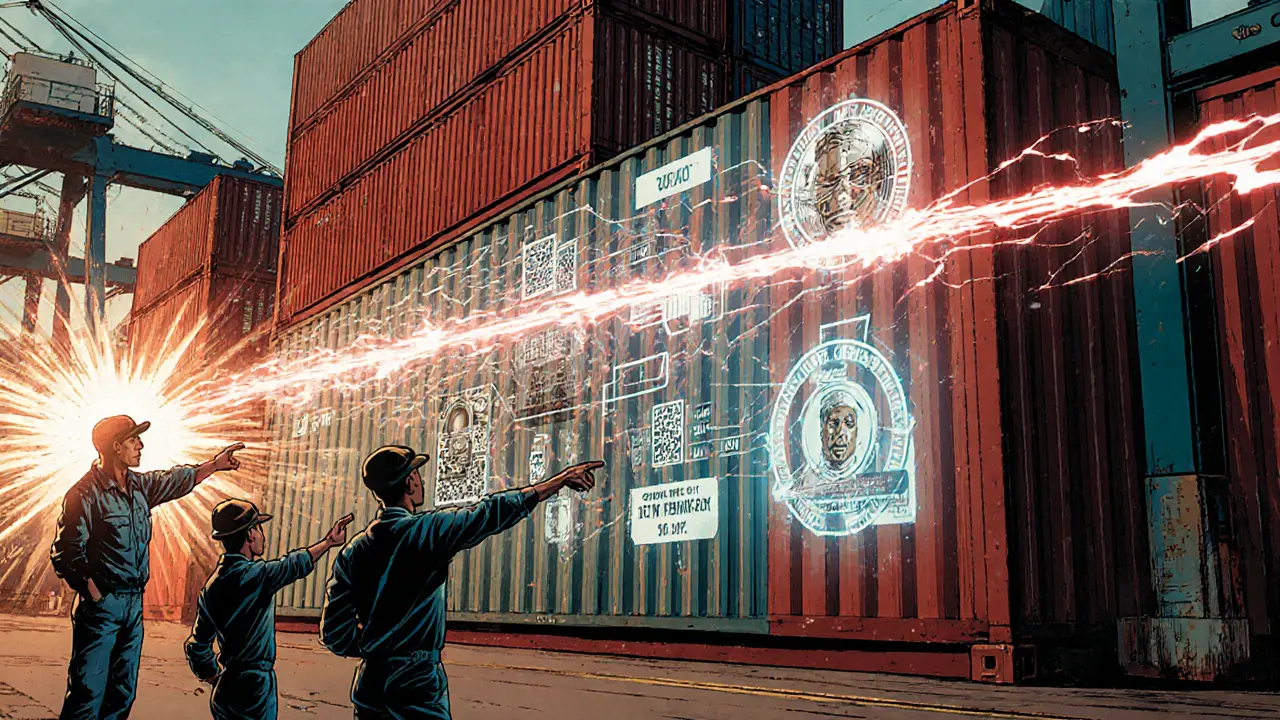
Healthcare: Your Medical Records, Under Your Control
Your medical history shouldn’t be scattered across five different clinics. In the U.S., patients often carry paper lists of medications because systems don’t talk to each other. Blockchain changes that. In Estonia, every citizen has a blockchain-based health record. Doctors, pharmacies, and labs access it with your permission. No one can alter your history without leaving a trace. If you move to another city, your records come with you-no forms, no faxing, no waiting. In the U.S., hospitals like Mayo Clinic are piloting blockchain to securely share patient data with researchers. Consent is coded into the system. If a patient withdraws permission, access stops instantly. This isn’t just convenient-it’s a legal requirement under GDPR and HIPAA.Energy: Peer-to-Peer Power
In New Zealand, where I live, rooftop solar panels are everywhere. But what happens when you produce more power than you use? Traditionally, you sell it back to the grid at a fixed rate. Blockchain lets you sell it directly to your neighbor. A pilot project in Wellington now connects 200 homes with solar panels. When the sun’s out, your excess power automatically goes to the house next door that needs it. Payment? Instant. No utility company taking a cut. Prices change in real time based on supply and demand. People are saving 30% on their bills. This isn’t just for homes. Factories with their own wind turbines are trading energy on blockchain platforms. Grid operators use it to balance supply and demand without building new power plants.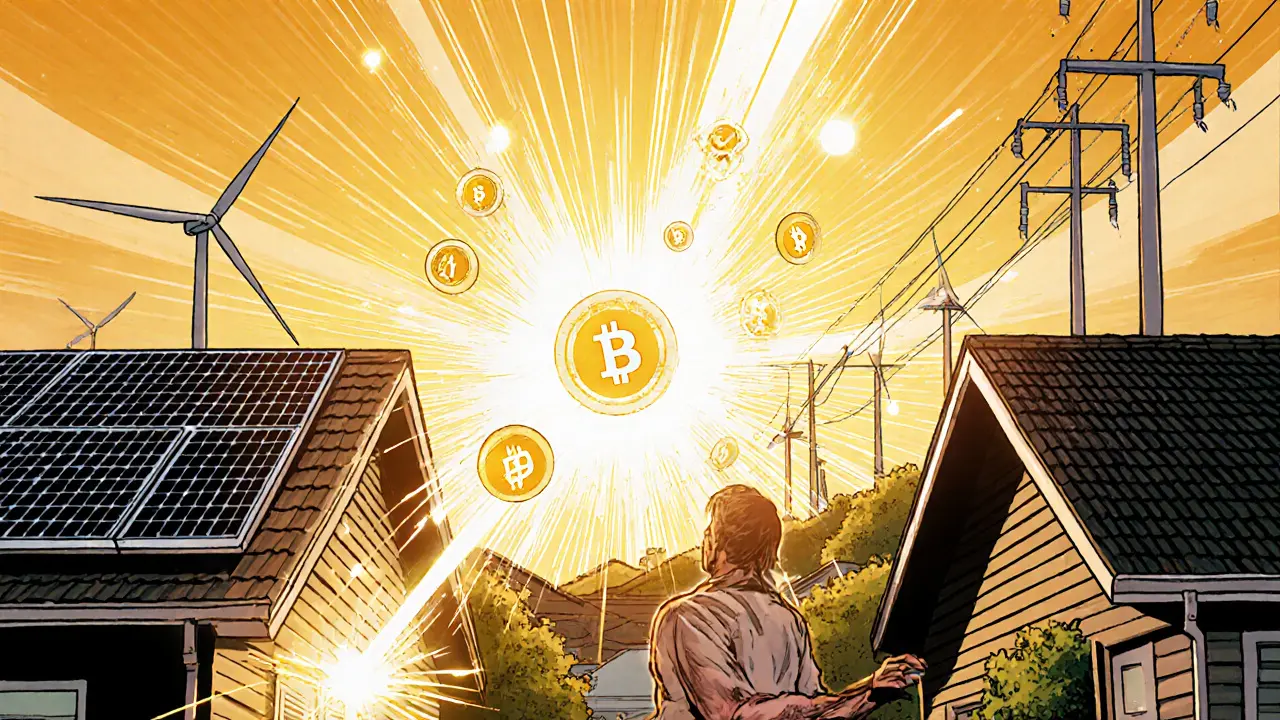




okay but like... if blockchain is so decentralized why does every project still need a team of devs in india to fix their smart contracts? 🤔 like we’re just outsourcing trust now? i feel like we replaced one middleman with seven more and called it innovation.
Wow. Just... wow. Another breathless tech love letter. Blockchain doesn’t fix human greed. It just makes it harder to trace. And no, ‘immutability’ doesn’t mean ‘truth’-it means ‘permanent lie.’
Let’s be real-blockchain’s real value isn’t in supply chains or health records-it’s in creating new revenue streams for consultants who charge $300/hour to explain why you don’t need it. The fact that Maersk and Walmart use it doesn’t mean it’s good, it means they’re paying for FOMO insurance. Also, ‘self-executing code’? That’s just a fancy way of saying ‘bug that can’t be undone.’ Remember the DAO hack? Yeah. Same energy. And don’t get me started on how 85% of chains use PoS now-convenient how that narrative popped up right after the energy backlash hit. 🤷♂️
They’re not using blockchain to fix systems-they’re using it to hide what they’re really doing. Who owns the nodes? Who validates the data? You think the government’s Digital Yuan isn’t tracking every transaction? You think your ‘permissioned’ medical records aren’t being sold to data brokers under the guise of ‘consent’? This isn’t liberation-it’s surveillance with a blockchain sticker on it. 🚩
Interesting. I’ve seen this work in pilot programs, but the real challenge is adoption at scale. Not everyone has a smartphone or understands digital keys. Maybe we need better UX before we celebrate.
USA invented the internet. Now we’re letting India and Ukraine run our blockchain infrastructure? We’re outsourcing our future while they get the jobs. This isn’t innovation-it’s colonialism with crypto wallets. We need American-made chains. American nodes. American control. End of story.
haha i love how everyone’s acting like blockchain is some magic wand… but like… if your coffee farmer in peru can’t even read the qr code on the bag, does the tech even matter? 😅 also-‘no middlemen’? bro, the guy who built the app is now the new middleman. just with more github commits.
USA thinks blockchain is revolutionary? We’ve been doing peer-to-peer energy trading in rural India since 2018 with basic SMS and solar meters. No blockchain needed. Just community trust. You call it innovation-we call it common sense. 🇮🇳
It’s funny how we’re so excited about trustless systems… but still need to trust the people who write the code, the people who run the nodes, and the people who define the rules. Maybe the real revolution isn’t the tech-it’s learning to trust each other again, even without it.
I’ve been working in healthcare IT for 15 years. The problem isn’t the data-it’s the bureaucracy. Blockchain won’t fix a system where hospitals refuse to share records because they’re scared of losing revenue. Tech doesn’t change culture. People do. And until we fix that, this is just digital glitter.
blockchain is just a buzzword now. everyone’s using it. even my landlord says his rent app is ‘on the chain.’ lol
The article conflates distributed ledger technology with blockchain. Not all distributed ledgers are blockchain. Not all blockchain applications are decentralized. The terminology is being abused to the point of semantic collapse. This is not progress-it is linguistic decay.
Let’s cut through the jargon. Blockchain is a database with extra steps. It’s slower, more expensive, and harder to maintain. The only reason it’s popular is because VCs need a new bubble to inflate. If you’re not storing crypto or selling NFTs, you’re wasting your time. Stop pretending this is engineering. It’s marketing.