Equalizer Crypto Exchange Review: Flash Loans, DEX, and Risks Explained
Have you ever wanted to borrow millions of dollars in crypto without putting up a single cent as collateral? It sounds like a scam, right? But in the world of Decentralized Finance (DeFi), this is called a flash loan. If you are looking into Equalizer, you are likely trying to figure out if it’s a legitimate tool for advanced trading or just another risky experiment. This review breaks down what Equalizer actually does, how its dual-function model works, and whether it fits your strategy.
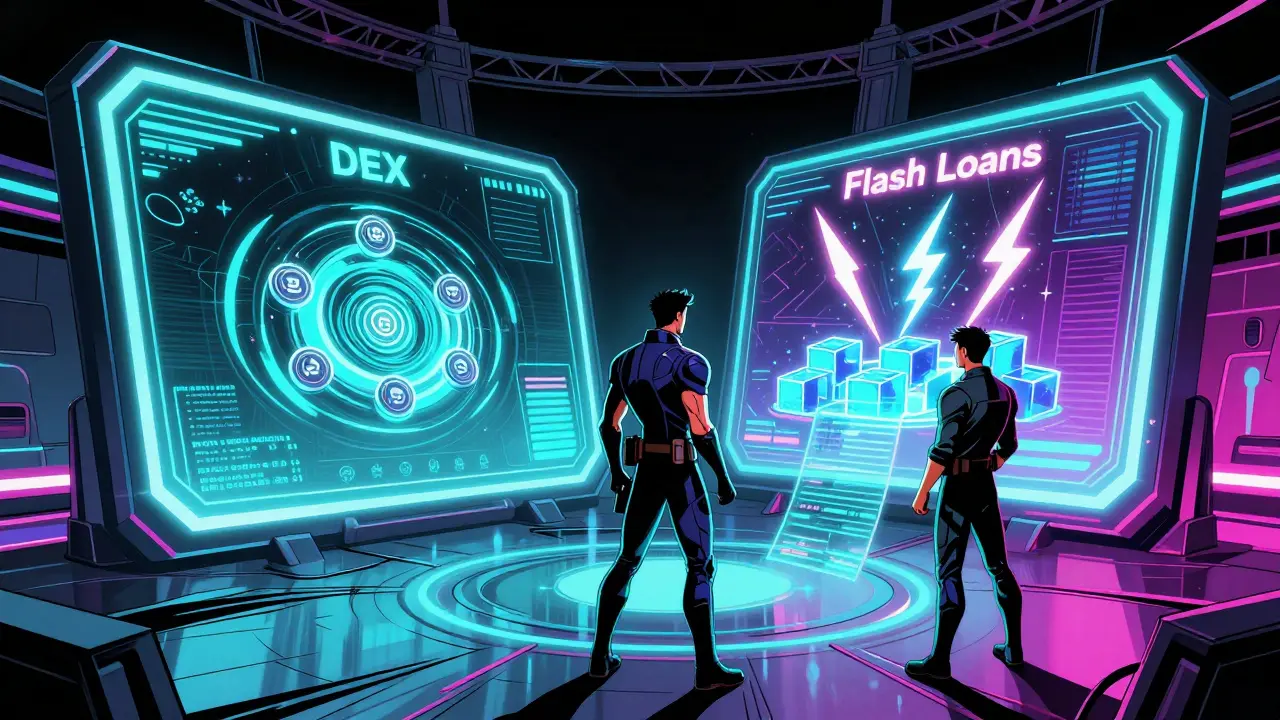
Equalizer is not your typical spot trading platform where you buy Bitcoin and hold it. It is a specialized infrastructure project that combines a decentralized exchange (DEX) with a flash lending marketplace. Think of it as a high-speed financial engine designed for arbitrageurs, developers, and sophisticated traders who need capital instantly. For the average retail investor, however, the utility might be more limited unless you are interested in yield farming or governance.
What Is Equalizer Exactly?
To understand Equalizer, you have to look past the name "exchange." While it does allow you to swap tokens, its primary innovation lies in its lending capabilities. Equalizer is a decentralized finance (DeFi) protocol that offers flash loans and decentralized exchange services. It operates primarily on blockchain networks like Ethereum and has explored expansion to others like Binance Smart Chain.
The platform serves two main groups:
- Liquidity Providers: Users who deposit assets into pools to earn fees.
- Borrowers/Arbitrageurs: Advanced users who borrow large sums of crypto to execute trades within a single transaction block.
The core idea is simple but powerful. By combining these functions, Equalizer creates a self-sustaining ecosystem. The DEX generates trading volume, which creates fees. These fees are then distributed back to the community, specifically those who lock their governance tokens. This circular economy is designed to reward long-term commitment rather than quick flips.
How Flash Loans Work on Equalizer
This is the feature that sets Equalizer apart from standard exchanges like Coinbase or Binance. A flash loan allows you to borrow any amount of available liquidity without collateral. There is one catch: you must repay the loan plus a small fee within the same transaction block. If you cannot repay it, the entire transaction is reverted as if it never happened.
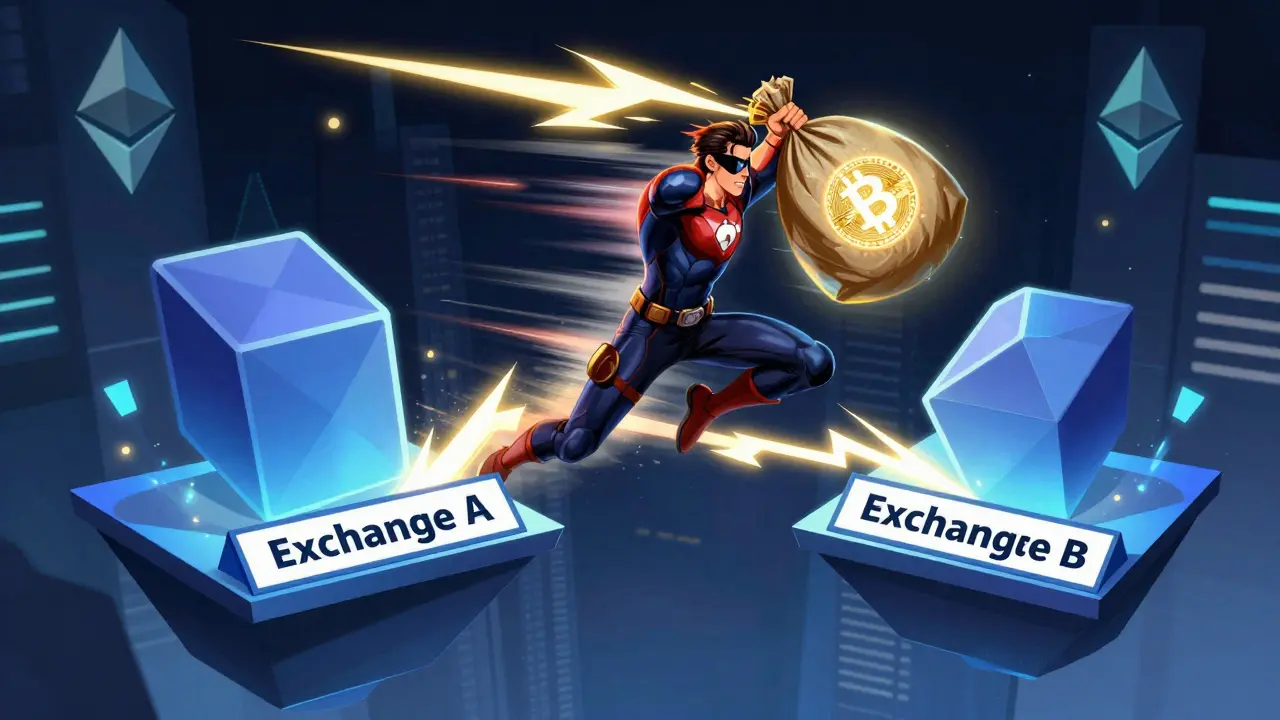
Why would anyone use this? Imagine you see a price discrepancy between two exchanges. Token X is worth $100 on Platform A and $102 on Platform B. You don’t have $100,000 to exploit this gap. With Equalizer, you can borrow $100,000, buy the token on Platform A, sell it on Platform B, repay the loan, and keep the profit-all in seconds. If the trade fails or the market moves against you, the loan simply cancels out, and you lose nothing but the gas fees.
Equalizer emphasizes scalability and speed here. Unlike older protocols that might limit the types of tokens available for flash loans, Equalizer aims to support a broad range of highly liquid assets. This makes it attractive for third-party applications that need to rebalance portfolios or provide short-term collateral during volatile market swings.
The Dual-Function Model: DEX and Lending
Most DeFi platforms specialize in one area. Uniswap is famous for swapping. Aave is known for lending. Equalizer tries to do both. The decentralized exchange component uses automated market maker (AMM) pools. When you swap tokens, you are trading against a pool of funds provided by other users.
These swaps generate transaction fees. In many protocols, these fees go to the developers or are burned. In Equalizer’s model, these fees are crucial because they fund the rewards for token holders. This integration means the health of the DEX directly impacts the profitability of the lending side. If trading volume drops, fee revenue drops, and potential yields decrease.
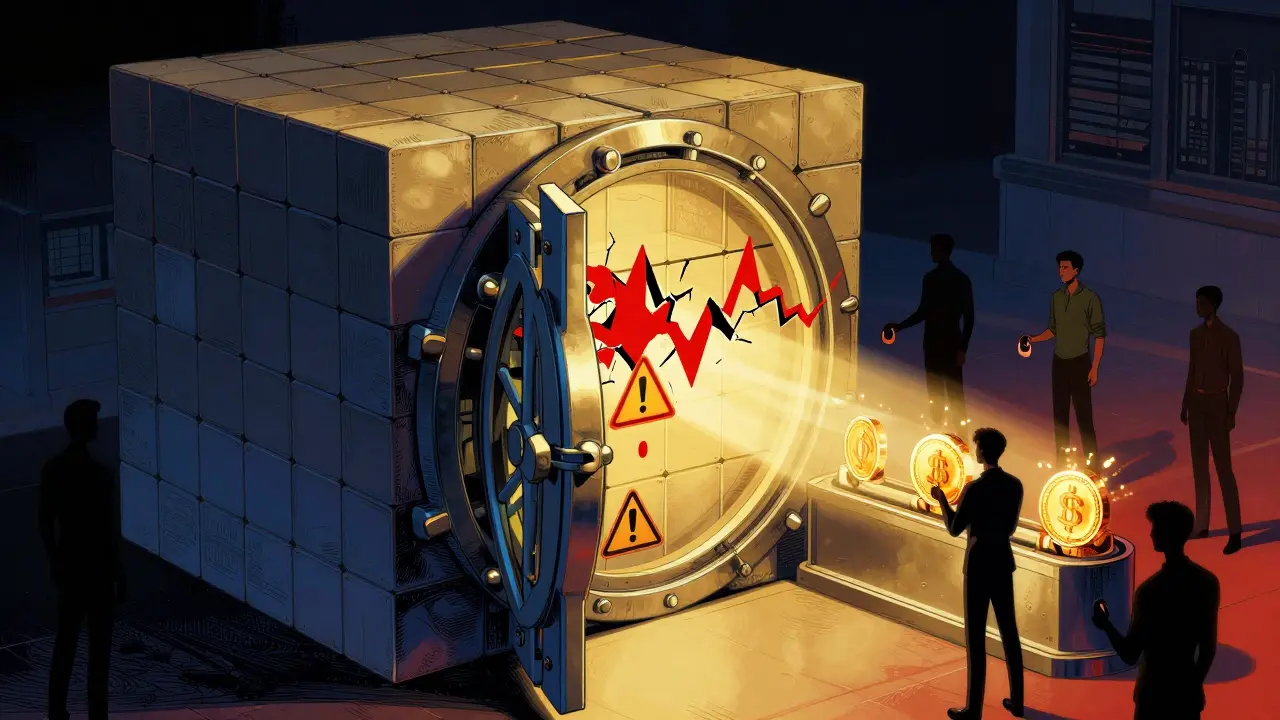
This interconnectedness is a double-edged sword. It creates efficiency, but it also means risks in one part of the system can affect the other. For example, a smart contract vulnerability in the lending module could theoretically impact the security of the liquidity pools.
Tokenomics: The EQUAL Token and ve-EQUAL
No DeFi review is complete without discussing the token. The native currency of the platform is the EQUAL token, which serves as the governance and utility asset for the Equalizer ecosystem.
Here is how you make money with it:
- Locking Tokens: You don’t just hold EQUAL; you lock it into a mechanism called
ve-EQUAL(vote-escrowed EQUAL). - Earning Yield: By locking your tokens, you receive a share of the protocol’s transaction fees. This is often marketed as "real yield" because it comes from actual usage, not inflationary token emissions.
- Governance Power: The longer you lock your tokens, the more voting power you get. You can vote on fee structures, new token listings, and protocol upgrades.
This model encourages long-term holding. If you unlock your tokens early, you lose your voting power and your share of the fees. It’s a way for the protocol to align the interests of its users with the long-term success of the platform. However, it also reduces liquidity, as fewer tokens are available for immediate sale on open markets.
Risks and Considerations
Before you connect your wallet, you need to understand the risks. DeFi is inherently riskier than centralized exchanges. Here is what you should watch out for:
| Risk Type | Description | Mitigation Strategy |
|---|---|---|
| Smart Contract Risk | Bugs in the code could lead to loss of funds. | Check for recent security audits and bug bounty programs. |
| Impermanent Loss | If providing liquidity, value changes may result in losses compared to holding. | Only provide liquidity to stable pairs or high-volume assets. |
| Market Volatility | Crypto prices can crash, affecting the value of your locked tokens. | Diversify your portfolio; don’t over-allocate to one protocol. |
| Complexity | Flash loans require coding knowledge or trusted interfaces. | Start with small amounts; use audited front-end interfaces. |
One major concern is the lack of comprehensive public data on Total Value Locked (TVL) and active user counts in recent years. While the technology is promising, adoption metrics are crucial for assessing network effects. Low TVL can mean lower liquidity, which leads to higher slippage when you try to swap tokens.
Additionally, regulatory uncertainty looms over all DeFi projects. As governments tighten rules around uncollateralized lending and anonymous transactions, platforms like Equalizer may face pressure to implement identity verification or restrict certain features. Keep an eye on legal updates in your jurisdiction.
Who Is Equalizer For?
Let’s be honest. Equalizer is not for everyone. If you are a beginner looking to buy Bitcoin and store it safely, stick to a regulated centralized exchange. Equalizer is built for:
- Arbitrage Traders: Those who want to exploit price differences across exchanges using borrowed capital.
- DeFi Developers: Teams building applications that need access to deep liquidity for testing or production.
- Yield Farmers: Investors willing to lock up capital for months to earn a share of protocol fees.
If you fall into one of these categories, Equalizer offers a unique toolkit. Its focus on "real yield" through fee distribution is appealing in a market saturated with inflationary token rewards. However, you must be comfortable managing private keys, understanding gas fees, and monitoring smart contract risks.
Final Thoughts on Using Equalizer
Equalizer represents a sophisticated layer of the DeFi stack. It bridges the gap between passive liquidity provision and active, high-leverage trading strategies. The integration of flash loans with a DEX creates a compelling narrative for efficiency and capital optimization.
However, sophistication comes with complexity. The platform requires a higher level of technical literacy than standard exchanges. Before committing significant funds, start small. Test the interface, verify the current TVL, and check the latest security audit reports. The crypto space moves fast, and today’s innovative protocol can become tomorrow’s legacy code if it doesn’t adapt. Use Equalizer as a tool in your broader strategy, not as a standalone solution.
Is Equalizer a safe platform to use?
Like all DeFi platforms, Equalizer carries inherent risks, primarily related to smart contract vulnerabilities and market volatility. While the protocol aims for high security standards, no system is immune to bugs. Always check for recent independent security audits before depositing significant funds. Never invest more than you can afford to lose.
Can beginners use Equalizer for regular trading?
Not really. Equalizer is optimized for advanced users who understand flash loans, liquidity pools, and governance mechanisms. Regular spot trading is possible via the DEX, but simpler, more user-friendly exchanges exist for basic buying and selling. Equalizer’s true value lies in its lending and yield features, which require technical know-how.
What is a flash loan and why is it useful?
A flash loan is an uncollateralized loan that must be borrowed and repaid within a single blockchain transaction. It is useful for arbitrageurs who want to trade large volumes without having the capital upfront. If the trade isn’t profitable enough to repay the loan, the transaction fails, and you lose nothing except the gas fee.
How do I earn rewards with the EQUAL token?
You earn rewards by locking your EQUAL tokens into the ve-EQUAL mechanism. This gives you voting power and a share of the protocol’s transaction fees. The longer you lock your tokens, the greater your influence and potential earnings. Rewards are typically distributed weekly based on your share of the total locked supply.
Which blockchains does Equalizer support?
Equalizer was initially deployed on Ethereum. The roadmap has included plans for expansion to other chains like Binance Smart Chain to improve scalability and reduce transaction costs. Always check the official documentation or dashboard for the most current list of supported networks, as multi-chain deployments can change rapidly.