
Bitcoin as Legal Tender in El Salvador: What Really Happened and Why It Changed
El Salvador’s Bitcoin Experiment: A Bold Move That Didn’t Stick
On September 7, 2021, El Salvador became the first country in the world to make Bitcoin legal tender. The idea was simple: let people pay for coffee, bus fares, and taxes with Bitcoin instead of just the US dollar. The government promised it would help the unbanked, cut remittance fees, and attract tech investors. But by May 2025, the rules changed. Businesses no longer had to accept Bitcoin. Taxes couldn’t be paid in it anymore. The law still said Bitcoin was legal tender-but in practice, it was stripped of its power.
How It Started: The Chivo Wallet and the $30 Push
The government rolled out the Chivo wallet like a holiday sale. Every Salvadoran with a phone got $30 in Bitcoin just for downloading the app. Gas stations gave 20 cents off per gallon if you paid with it. The government said this would push financial inclusion. Over 3 million people downloaded the app in the first month-that’s nearly half the country. At the time, only 29% had bank accounts. The numbers looked great.
But here’s the catch: most people didn’t use it. Only 12% of consumers actually made a Bitcoin transaction in the first month. Over 90% of businesses said they never received a single Bitcoin payment. The $30 bonus didn’t turn into habit. It turned into a one-time cash grab. People cashed out their $30 into dollars and moved on.
The Volatility Problem: When Bitcoin Crashed on Day One
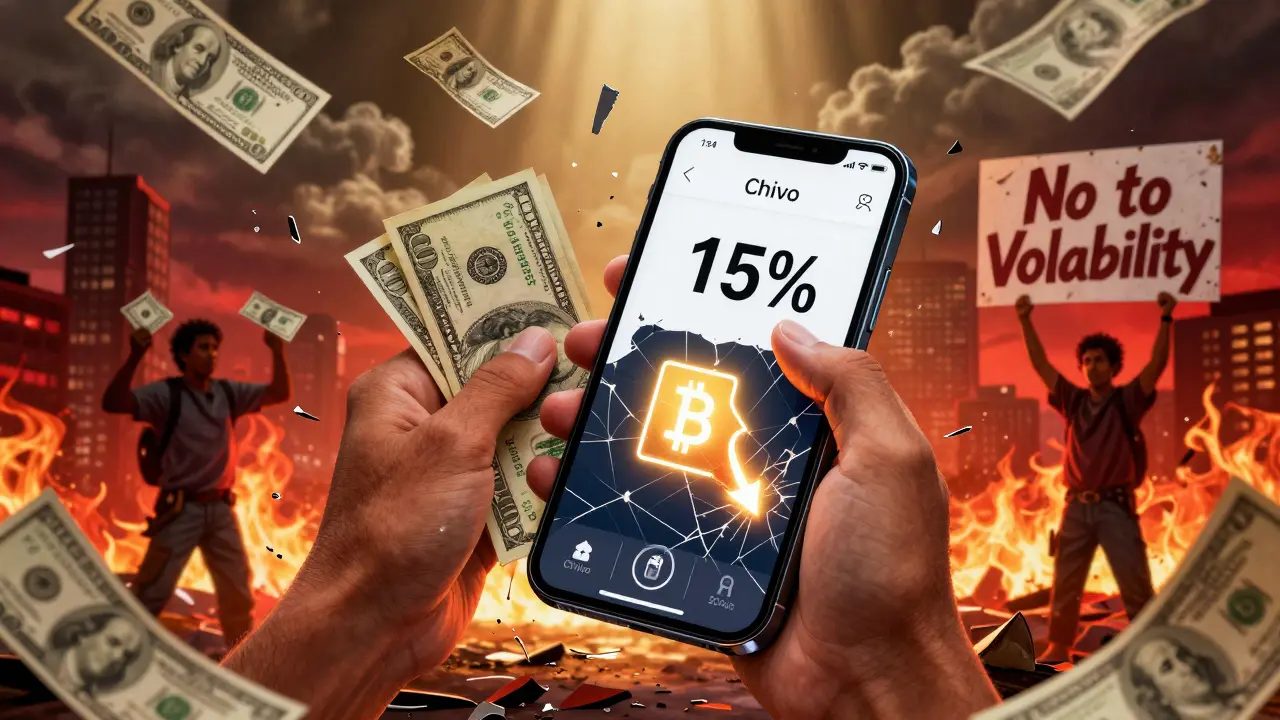
The launch day was a disaster. Bitcoin dropped 15% in hours. The government had bought Bitcoin at $52,000 to stabilize prices, but the crash still cost them $3 million on paper. That wasn’t just a number-it was public outrage. Protesters gathered outside the Supreme Court. News outlets called it a gamble with people’s money. For a country where most families live paycheck to paycheck, Bitcoin’s wild swings felt dangerous.
People didn’t want to risk their wages or grocery money on a currency that could lose 20% in a week. The US dollar, even with inflation, was predictable. Bitcoin wasn’t a tool for the poor-it was a lottery ticket the government forced on them.
Technical Failures and Security Holes
The Chivo wallet wasn’t just unpopular-it was unreliable. It crashed on launch. Servers overloaded. Transactions failed. People waited hours to send $5 to a vendor. Then came the hacks. In early 2022, hackers stole over $1 million from user accounts. The government blamed third-party providers, but trust was already broken. By 2024, fewer than 8% of Salvadorans used the wallet regularly. Even the government admitted it wasn’t working.
Merchants didn’t want to install Bitcoin payment systems. They didn’t have the tech support. They didn’t have the time. And they didn’t see customers asking for it. The government’s push didn’t create demand-it created friction.
The IMF’s Ultimatum: $1.4 Billion or Drop Bitcoin
In January 2025, El Salvador’s government got a letter from the International Monetary Fund. The IMF offered a $1.4 billion loan to help stabilize the economy-but only if they changed the Bitcoin law. The IMF didn’t say Bitcoin was bad. They said mandatory adoption was risky. It made El Salvador’s financial system unpredictable. It scared off investors who worried about regulatory chaos.
On January 29, 2025, the Legislative Assembly voted 55-2 to amend the law. By May 1, Bitcoin was no longer required for payments. Taxes? Still paid in dollars. Wages? Still paid in dollars. The government stopped promoting the Chivo wallet. They even removed it from public sector apps. The word "currency" was erased from the law. Bitcoin was still legal tender-but it was no longer a tool of the state.
What Actually Changed? The New Reality
Today, Bitcoin in El Salvador is like a car with no gas. It’s still there. But no one’s driving it.
Businesses can accept it if they want. A few tech shops, crypto cafes, and tourist spots do. But 92% of Salvadorans say they’ve never used Bitcoin to buy anything. Only 20% of large companies accept it. Just 5% of tax payments are made in Bitcoin. The Chivo wallet still exists, but it’s mostly used to cash out Bitcoin into dollars.
Economist Rafael Lemus put it bluntly: "Bitcoin no longer has the strength of legal tender." And he’s right. The government didn’t fail because of technology. They failed because they tried to force adoption. People don’t adopt money because a law says so. They adopt it because it’s useful, stable, and trusted.
What Didn’t Change: The Bitcoin Reserve
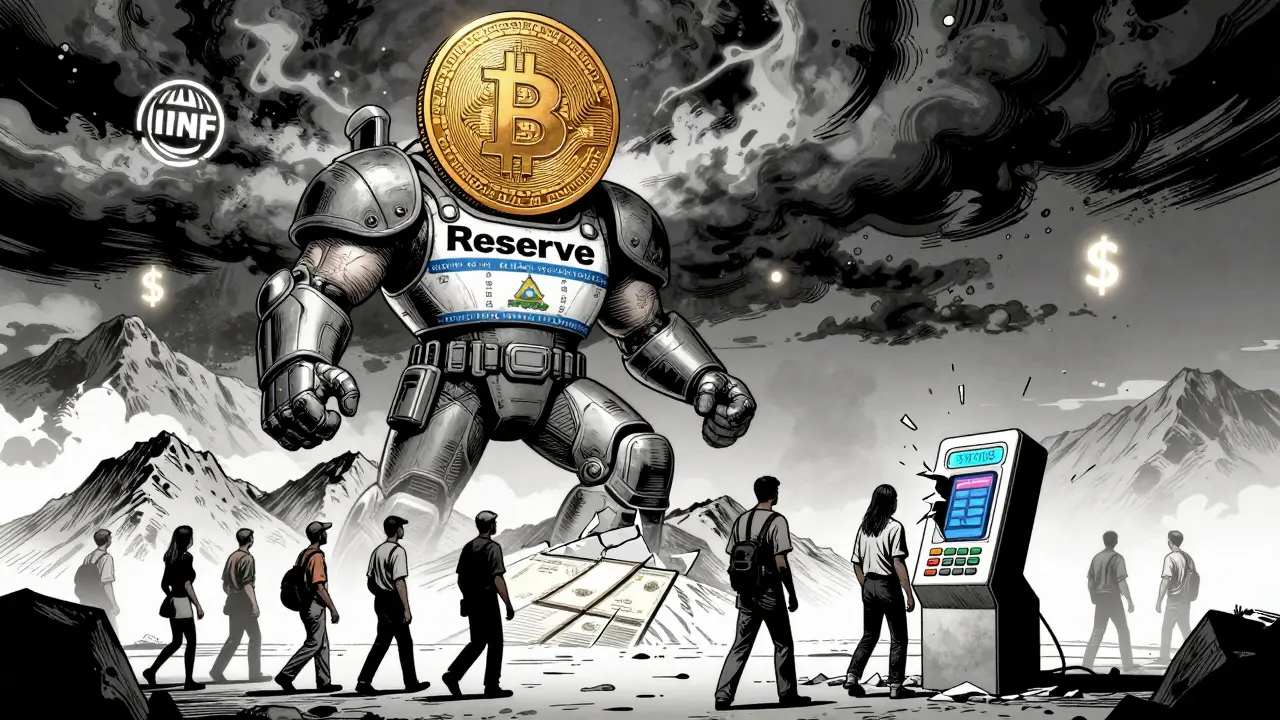
Even after walking back the law, El Salvador didn’t sell its Bitcoin. In fact, they bought more. As of early 2025, the government holds over 6,100 Bitcoin-worth roughly $500 million. That’s up from the original 688 coins bought in 2021. The profit? Over $287 million.
They’re not using Bitcoin to pay for buses or bread. They’re using it like gold. A long-term store of value. A hedge against inflation. A bet that Bitcoin will rise over the next decade.
It’s a smart move, honestly. If you believe in Bitcoin as an asset, holding it makes sense. But trying to make it a currency? That’s a different game.
Why This Matters for the Rest of the World
El Salvador’s experiment was the first real test of a country adopting Bitcoin as money. And the lesson is clear: you can’t mandate trust. You can’t force adoption with bonuses or laws. People need to see Bitcoin as easier, safer, and more reliable than what they already use.
Other countries watched closely. Nigeria, Kenya, and Argentina all considered similar moves. But after El Salvador’s stumble, they paused. The IMF’s pressure sent a signal: central banks and global lenders don’t trust crypto as money. Not yet.
El Salvador didn’t fail because Bitcoin is flawed. They failed because they misunderstood how money works. Money isn’t a tech upgrade. It’s a social contract. And contracts need time to build-not laws to force.
What’s Next for El Salvador?
El Salvador isn’t abandoning crypto. They’re just changing their strategy.
In January 2025, they hosted the PLANB Forum-the biggest crypto conference in Central America. They’re building data centers. Offering tax breaks to crypto startups. Trying to become a hub for blockchain tech, not a national wallet.
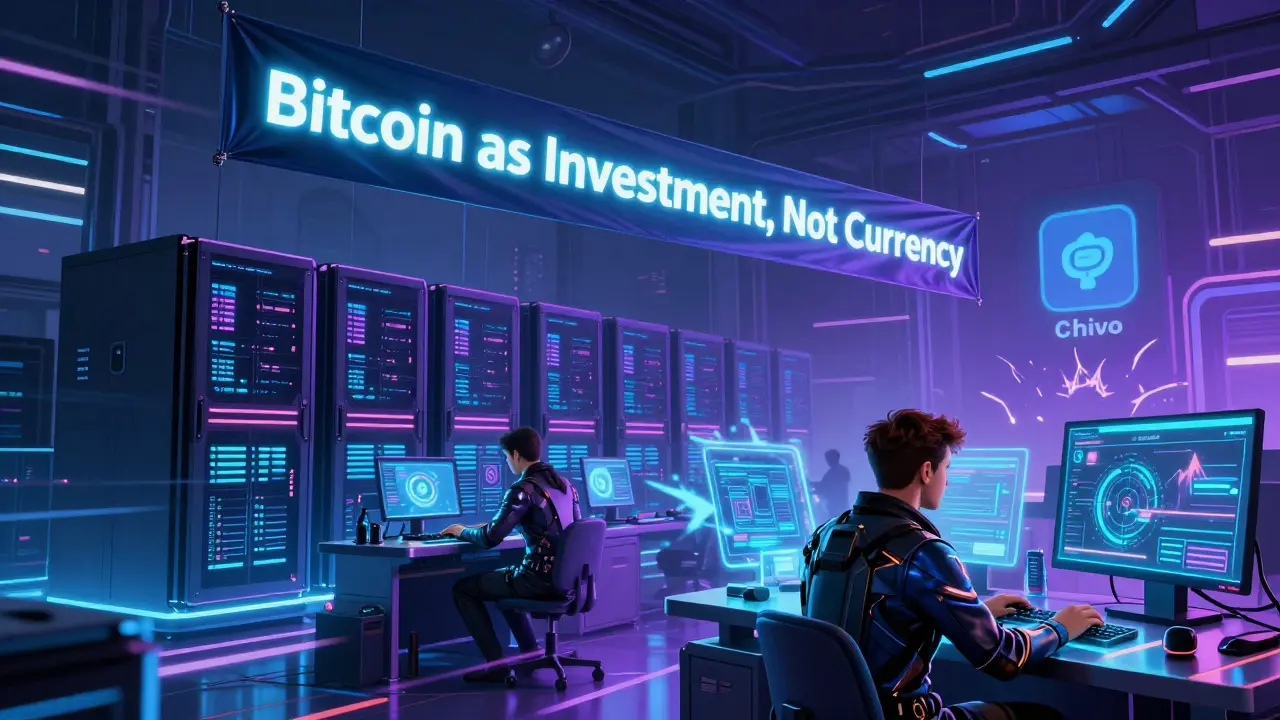
They’ve stopped pushing Bitcoin as money. Now they’re pushing it as investment. As innovation. As a way to attract global tech talent.
It’s a quieter, smarter approach. And it might just work.




I think the real lesson here is that money isn't a software update. You can't just slap a blockchain on something and expect people to trust it. El Salvador thought forcing Bitcoin would fix financial exclusion, but the real issue was access to banking infrastructure, not the currency itself. People didn't reject Bitcoin because it was techy-they rejected it because it added risk to their daily survival. The dollar, for all its flaws, is predictable. That matters more than innovation when you're choosing between paying rent or eating.
What they did right later was pivot. Holding Bitcoin as a reserve asset? That's not a gamble-it's a hedge. Smart move. Stop trying to make it spendable. Start treating it like gold.
Honestly I think the $30 bonus backfired because it felt like a trick. People didn't see Bitcoin as money-they saw it as free cash they could cash out. No one develops a habit when the system crashes every time you try to use it. The Chivo wallet was a mess. The government didn't build trust. They built frustration.
And honestly? If you're gonna do this kind of thing, you need way more education. Not just an app. Real workshops. Local leaders explaining why it matters. Not forced. Invited.
The whole thing was a performative stunt by a desperate regime trying to look cool while ignoring basic economics. Bitcoin isn't money. It's a speculative asset wrapped in libertarian fantasy. You can't make a currency out of something that moves 20% in a day and then act surprised when people panic. The IMF wasn't being authoritarian-they were being realistic. This wasn't a tech failure. It was a delusion.
Lol. So they spent millions on a wallet that crashed on launch. And then they blamed third parties. Classic. Meanwhile, people are still using cash. Because cash works. No servers. No hacks. No volatility. Just paper. The fact that they kept buying more Bitcoin after all this just proves they were never serious about adoption. They were just playing the market.
I really feel for the people there. Imagine being told you have to use something you don't understand, with no real support. I've seen how tech gets rolled out in rural areas-without community trust, even the best tools fail. Maybe next time, they let local co-ops and small business owners lead the way instead of top-down mandates. Real change happens from the ground up, not from a press release.
You know what's funny? The government didn't fail because Bitcoin was bad. They failed because they didn't listen. They didn't ask. They didn't collaborate. They just dropped an app and called it innovation. Imagine if they had partnered with local vendors, trained them, helped them with hardware, and let them decide. That's how adoption happens. Not with bonuses. Not with laws. With respect.
This entire episode underscores the dangerous myth that technological superiority equates to social utility. Bitcoin, as deployed here, was not a financial tool-it was a political symbol. And symbols, when imposed, breed resistance. The IMF’s intervention was not an attack on sovereignty. It was a correction of economic irrationality. One cannot legislate trust. One can only cultivate it.
Let’s be real. The whole thing was a distraction. The real story? The government used Bitcoin as a smoke screen to hide corruption. They bought Bitcoin at $52k? That’s the same price the central bank insiders were dumping at. The Chivo wallet? Probably a front for laundering. The $30 bonuses? Just cash handed to loyalists. The IMF didn’t care about Bitcoin-they cared about the trail of missing funds. The law changed because the money trail got too hot. Don’t believe the narrative. This was never about finance. It was about control.
They said Bitcoin was for the unbanked. But the unbanked didn’t want a crypto wallet. They wanted a bank account with a branch down the street. The government didn’t fix the system. They replaced it with a glitchy app that got hacked. And now they’re acting like they’re crypto pioneers? Bro. You didn’t revolutionize finance. You just turned your country into a lab rat for Silicon Valley’s bad ideas.
The key takeaway is this: adoption isn't about technology. It's about utility. Bitcoin didn't offer anything the dollar didn't already do better. No faster transactions. No lower fees. No real security. Just noise. And noise doesn't scale. The fact that 92% of Salvadorans never used it to buy anything says everything. People don't care about blockchain. They care about whether their money lasts until payday.
You can’t commoditize trust. You can’t algorithmize social consensus. Bitcoin as legal tender was a metaphysical error-a category mistake. Money is not a protocol. It is a narrative. A shared fiction. And no amount of cryptographic hashing can override centuries of cultural conditioning. The Salvadoran experiment wasn’t a failure of engineering. It was a failure of ontology. They tried to make a digital asset function as a social contract. That’s like trying to use a hammer to write a symphony.
USA would never do this. We know better. El Salvador was a dumb experiment. End of story.
I lived in El Salvador for a year. I saw how people actually live. The idea that you could just hand out Bitcoin and expect people to use it as money? That’s like giving someone a Tesla and expecting them to drive it in a village with no roads. The infrastructure wasn’t there. The education wasn’t there. The trust wasn’t there. The government didn’t understand the people. They saw a tech trend and thought they could skip ahead. But culture doesn’t work like that. You don’t skip steps. You build them. Slowly.
I knew this was gonna blow up. They didn’t even fix the basic problems. People don’t have internet in half the country. The Chivo wallet crashed every time you opened it. And they still thought they could replace the dollar? The only people who benefited were the ones who cashed out the $30 and left. Everyone else got stuck with a glitchy app and a depreciating asset. This wasn’t innovation. It was exploitation dressed up as progress.
LMAO they spent millions on a wallet that crashed. And then they blamed hackers. Classic. The whole thing was a scam. Bitcoin’s not money. It’s a meme. And memes don’t pay for groceries.
I just think about how many people had to wait hours to send $5 because the app crashed. That’s not innovation. That’s just bad tech. And the fact that they kept buying more Bitcoin after all that? That’s not a strategy. That’s a gambling addiction. They’re not trying to help people. They’re trying to win a lottery they didn’t even understand.
Bitcoin as money? No. Bitcoin as a state-backed speculative asset? Yes. That’s the real story. They didn’t fail. They pivoted. They turned a failed currency experiment into a sovereign hedge fund. That’s not incompetence. That’s genius. The dollar is a paper promise. Bitcoin is digital gold. One is a lie. The other is a bet. And bets pay off.
The IMF is just protecting the dollar’s hegemony. This was never about economics. It was about power. The U.S. doesn’t want another country using crypto. It threatens the petrodollar. The Chivo wallet was hacked? Maybe. Or maybe it was sabotaged. Why else would the servers fail so perfectly? This isn’t about Bitcoin. It’s about control. And the global elite won’t let a small nation break free.
I just feel so sad for them. Imagine being told you have to use something you don’t understand, that crashes all the time, and then being blamed when you don’t use it. The government didn’t help. They just yelled louder. And now people are stuck with this weird legacy. I hope they get better support. Not more apps. More humanity.
You think the government didn’t know this was gonna fail? Of course they did. That’s why they bought Bitcoin cheap before the law passed. They knew the price would spike. They knew people would cash out. They knew the IMF would come knocking. This wasn’t an experiment. It was a pump-and-dump scheme with a national flag on it. The real victims? The people who believed the hype.