Self-Custody Crypto: Take Control of Your Digital Assets
When you hold self-custody crypto, the practice of storing your digital assets in a wallet you fully control, without relying on third parties like exchanges. Also known as non-custodial crypto, it’s the only way to truly own your Bitcoin, Ethereum, or any other coin—because if you don’t hold the keys, you don’t hold the asset. Exchanges like Let'sBit or Biswap v2 might let you trade, but they’re not your bank. If they shut down, freeze accounts, or get hacked, your coins vanish with them. That’s not speculation—it’s happened before, and it will happen again.
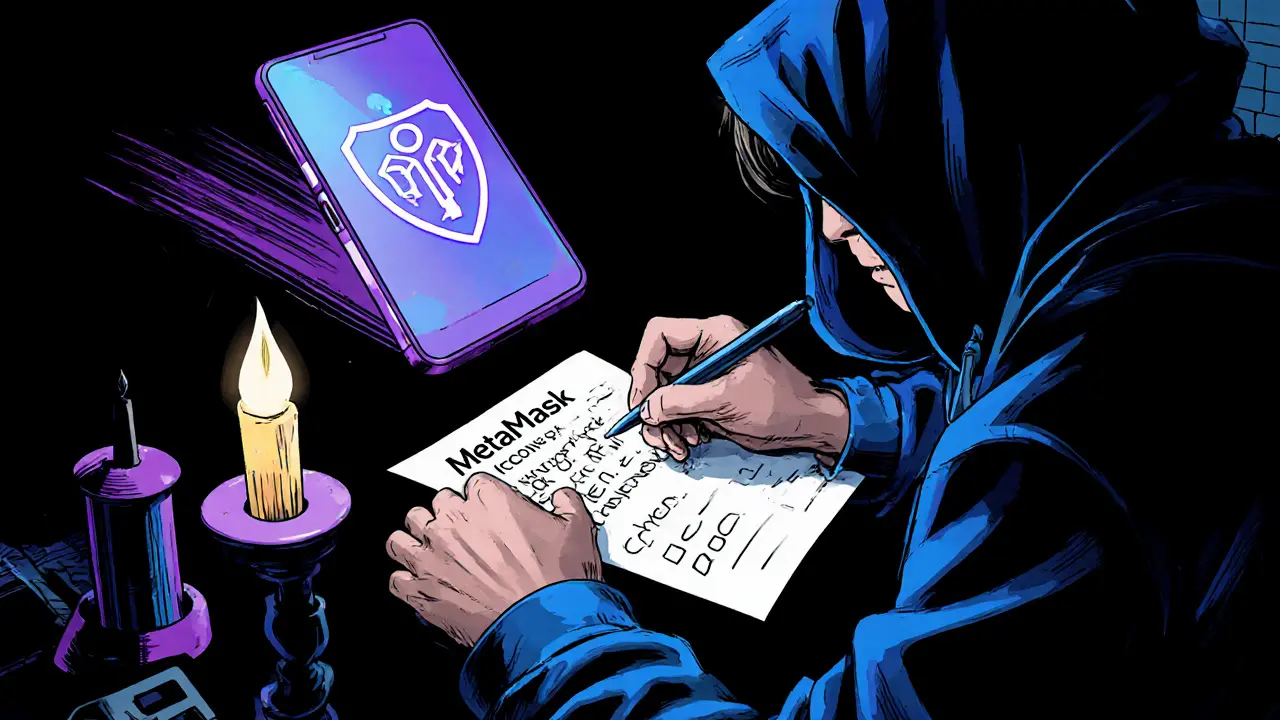
True ownership means managing your own private keys, the secret codes that give you access to your crypto wallet and allow you to send funds. Also called seed phrases, these 12-24 word strings are your lifeline. Lose them, and your coins are gone forever. No customer service can recover them. That’s why self-custody isn’t just a tech choice—it’s a responsibility. People who use crypto wallets, software or hardware tools designed to securely store and manage digital assets like Ledger, Trezor, or even trusted mobile apps like Phantom or Trust Wallet, understand this. They don’t leave coins on exchanges longer than needed. They move them offline. They back up keys. They test recovery before holding large amounts.
Self-custody isn’t for everyone, but it’s the only path if you’re serious about long-term holding. Look at the posts below: HODLing Bitcoin through a bear market only works if you’re not stuck on a platform that disappears. Airdrops like ZooCW or VDR? You need a wallet you control to claim them. Even when crypto regulations change—like the U.S. GENIUS Act or Pakistan’s Virtual Assets Bill—your coins stay yours only if you hold them yourself. No government or exchange can take what’s in your wallet… unless you gave them the keys.
Some think self-custody is too complicated. But it’s not about being a tech expert. It’s about being careful. Write down your seed phrase. Store it somewhere safe—no screenshots, no cloud backups. Test the recovery process once, on a small amount. Use hardware wallets for big holdings. Avoid shady platforms that promise to "secure" your crypto for you. The posts here cover scams, failed exchanges, and risky tokens—but they all point to the same truth: if you don’t control your keys, you don’t control your future.
Non-custodial crypto wallets let you control your money without banks or governments. In restricted countries, they’re the only way to hold crypto safely-but only if you know how to protect your keys.
READ MORE