Hot Wallet vs Cold Wallet: Which Is Safer?
Discover the security differences between hot and cold cryptocurrency wallets, see real data on attacks, and learn how to choose the safest option for your holdings.

When comparing Hot Wallet vs Cold Wallet, the two main approaches for storing cryptocurrency private keys. Also known as online vs offline wallet, it helps investors choose between speed and security. A Hot Wallet, a software‑based wallet that stays connected to the internet lets you spend coins instantly, while a Cold Wallet, an offline hardware or paper solution that isolates your keys from any network guards them against remote attacks.
This guide dives into the hot wallet vs cold wallet debate by breaking down the core components you’ll manage every day. The private key is the secret code that proves ownership; whether it lives in an app on your phone or tucked inside a USB‑shaped hardware device, its safety defines the entire setup. A seed phrase backs up that key, acting like a master password you can write on paper and store in a safe. Hardware wallets such as Ledger or Trezor are classic cold‑storage tools, while mobile apps like MetaMask or Trust Wallet exemplify hot solutions.
Beyond the wallet itself, think about where you keep your coins when you’re not actively trading. Custodial exchange wallets, like those offered by Binance or the Chivo wallet in El Salvador, hold your keys for you, which is convenient but adds a layer of third‑party risk. Non‑custodial software wallets give you full control but require disciplined security habits—strong passwords, two‑factor authentication, and regular device updates.
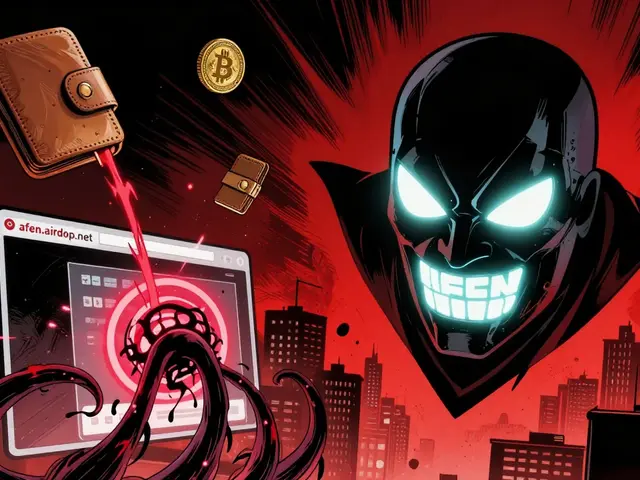
Security risks differ sharply between the two camps. Hot wallets are prime targets for phishing, malware, and browser hijacks because they interact with the internet at all times. Cold wallets mitigate those threats by staying offline, yet they can fall prey to physical theft, loss, or hardware failure. A common mistake is to keep large balances in a hot wallet and forget to back up the seed phrase; the reverse—storing tiny amounts on a cold device and losing the recovery sheet—can lock you out of your own assets.
Use cases shape the right choice. If you trade daily, provide liquidity to DeFi protocols, or need quick access for gaming airdrops, a hot wallet offers the speed you demand. For long‑term holding, institutional‑grade retirement plans, or safeguarding a portfolio worth millions, a cold wallet’s isolation pays off. Many investors blend both: a cold device for the bulk of their holdings and a hot app for a modest “spending” slice.
Armed with these fundamentals, you’ll be able to spot the right balance between convenience and protection in the articles that follow. Below you’ll find deep dives into wallet security, exchange reviews, and practical tips that help you decide exactly how to store your crypto with confidence.
Discover the security differences between hot and cold cryptocurrency wallets, see real data on attacks, and learn how to choose the safest option for your holdings.