Crypto in Iran 2025: Laws, Workarounds, and Real-World Use Cases
When we talk about crypto in Iran 2025, the use of digital currencies in a country under heavy financial sanctions and banking restrictions. Also known as cryptocurrency adoption under state control, it's not a trend—it's a necessity for millions trying to protect their savings from hyperinflation and frozen bank accounts. Unlike in places where crypto is a side hustle or investment play, in Iran it’s often the only way to move value without government interference.
That doesn’t mean it’s easy or legal. The Iranian government doesn’t ban crypto outright, but it tightly controls everything. Banks can’t touch it. Exchanges can’t offer fiat on-ramps. Miners need state approval, and even then, they’re forced to sell their coins to the central bank at fixed rates. This creates a two-tier system: official, low-value crypto sales to the government, and a massive underground P2P network where people trade Bitcoin and USDT for real goods and cash. Non-custodial wallets like MetaMask and Ledger aren’t optional—they’re essential. If you don’t hold your own keys, you don’t hold your money. This is why non-custodial wallets, wallets where users control their private keys without relying on third parties. Also known as self-custody crypto, it is the backbone of crypto use in Iran. No exchange, no app, no platform can be trusted to keep your funds safe when the state can shut them down overnight.
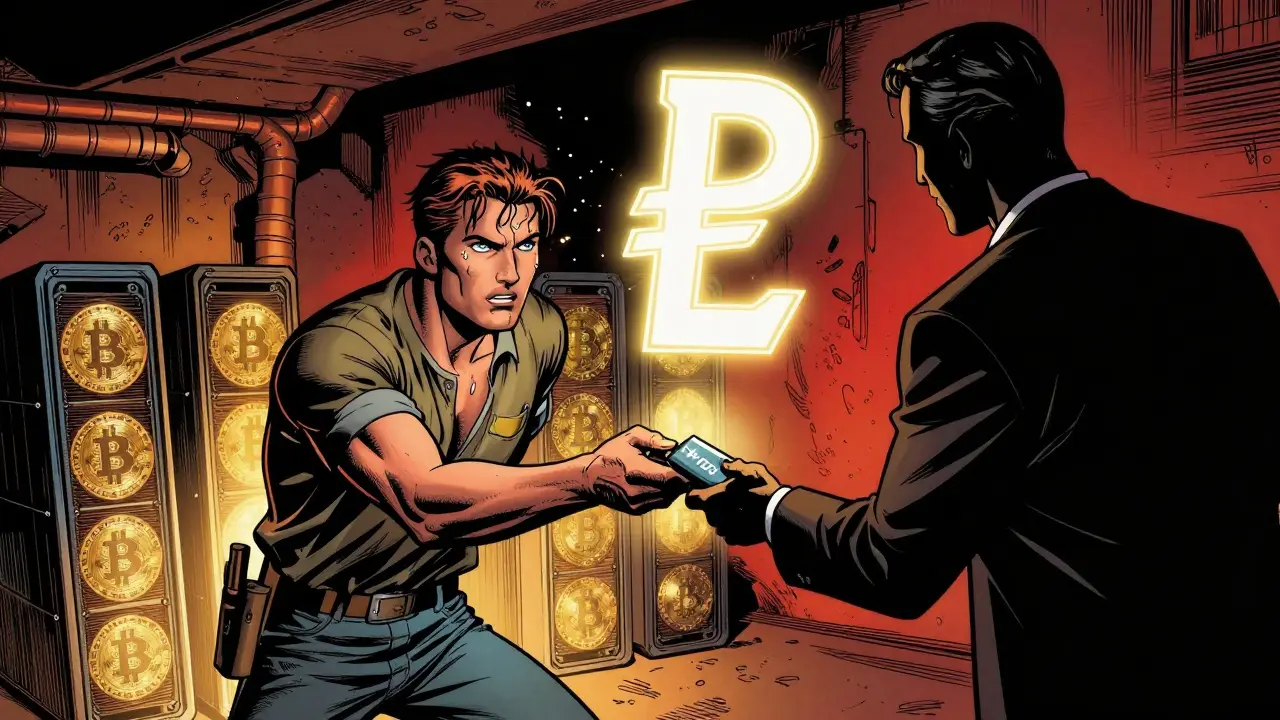
And then there’s mining. Iran has cheap electricity and a large population of tech-savvy youth. Crypto mining exploded in 2021, but after a crackdown, miners now operate in the gray zone—using modified hardware, hidden power lines, and local P2P markets to trade their output. It’s not the glamorous mining farms you see in videos. It’s families running rigs in basements, trading Bitcoin for groceries, or sending value abroad through trusted contacts. The Iran crypto laws, the set of regulations and informal policies governing cryptocurrency use in Iran. Also known as Iranian cryptocurrency restrictions, it’s not about banning technology—it’s about controlling who benefits from it. The state wants to profit from mining, not empower citizens.
What you’ll find in the posts below isn’t hype. It’s real. People in Iran aren’t trading memecoins—they’re using stablecoins to pay rent, buying hardware with Bitcoin, and avoiding currency collapse one transaction at a time. You’ll see how local traders bypass restrictions, why certain exchanges are dead in Iran, and how tools like decentralized exchanges and peer-to-peer platforms keep the system alive. There’s no sugarcoating here. Crypto in Iran 2025 is risky, complicated, and often illegal. But for many, it’s the only thing standing between financial ruin and survival.
Iran regulates cryptocurrency tightly - not to ban it, but to control it. In 2025, mining, trading, and holding crypto come with strict limits, taxes, and surveillance. Here’s what you need to know.
READ MORE