Crypto Compliance 2025: Rules, Risks, and Real-World Impact
When it comes to crypto compliance 2025, the set of legal and operational rules that digital asset platforms must follow to operate legally. Also known as digital asset regulation, it's no longer just about filling out forms—it's about surviving in a world where regulators are watching every transaction, every wallet, and every airdrop. If you're trading crypto, running a platform, or even just holding tokens, you’re already part of this system—whether you realize it or not.
Look at what’s happening globally. In Vietnam, a new licensing framework under Directive 05/CT-TTg forces exchanges to meet strict capital and security standards. Meanwhile, Pakistan, after years of bans, legalized crypto holding under the Virtual Assets Bill 2025—but only to control it, not to empower users. The real focus? The state-backed Digital PKR. In Cambodia, banks now block nearly all crypto transactions, allowing only licensed stablecoin services under heavy surveillance. These aren’t isolated cases—they’re signals. Every country is building its own version of compliance, and the rules are getting tighter, faster.
And it’s not just about governments. Platforms are under pressure too. KYC fraud, the use of forged IDs to bypass identity checks on crypto exchanges, is now a federal offense in multiple jurisdictions. Exchanges like Bzetmex in Turkey and BL3P in Europe are investing millions in verification tech—not because they want to, but because they have to. One mistake, one fake document, and you could face fines, shutdowns, or criminal charges. Even airdrops like the ones from CoinMarketCap and AceStarter now require strict eligibility checks, because bad actors have turned giveaways into laundering pipelines.
What does this mean for you? If you’re trading spot crypto, you need to know how taxes work under Form 1099-DA. If you’re using DeFi platforms like Deri Protocol or PancakeSwap V3, you’re still subject to compliance—even if the team is anonymous. And if you’re holding tokens like NPTX or SNIFT with zero trading volume, you’re not just taking market risk—you’re taking legal risk. Regulators don’t care if a project is "innovative" or "decentralized." If it’s accessible to users, it’s in their crosshairs.
There’s no escape from this shift. The days of crypto being a wild west are over. In 2025, compliance isn’t a hurdle—it’s the foundation. The posts below break down exactly how these rules play out in real markets, from licensing checklists in Vietnam to the hidden penalties behind forged IDs and the quiet power plays behind national digital currencies. You won’t find fluff here. Just what you need to know to stay legal, safe, and ahead of the next crackdown.
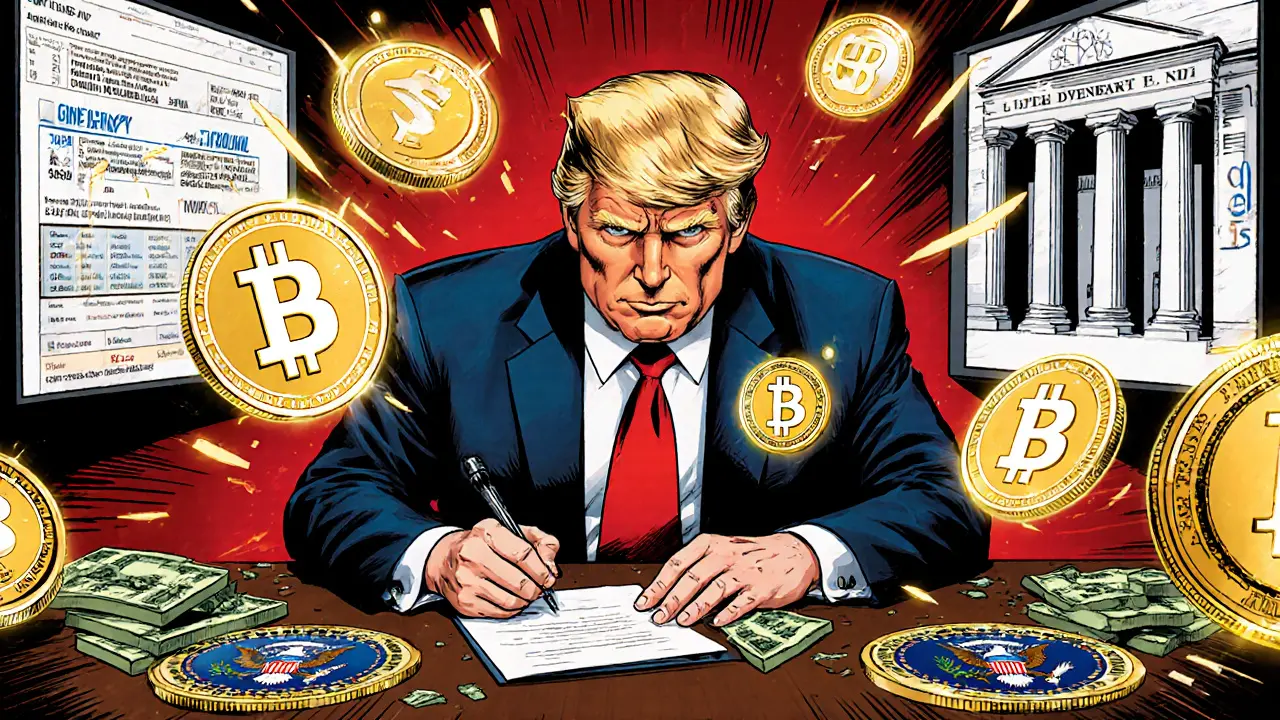
The U.S. launched its first federal crypto regulation in 2025 with the GENIUS Act, focusing on stablecoins with strict reserve rules, no interest payments, and a split federal-state oversight system. Here’s what it means for users, issuers, and the market.
READ MORE