Crypto Banned in Iran: What You Need to Know About Restrictions, Workarounds, and Safe Wallets
When you hear crypto banned in Iran, the Iranian government’s official stance against decentralized digital currencies, it sounds simple: no crypto, no trading, no mining. But reality is messier. While the Central Bank of Iran forbids banks from handling crypto transactions and public exchanges are blocked, millions of Iranians still use Bitcoin, Ethereum, and other coins every day—often through peer-to-peer platforms and non-custodial wallets. This isn’t rebellion; it’s survival. With inflation hitting over 40% and the rial losing value fast, crypto offers a lifeline to people who can’t access dollars or foreign assets through traditional means.
Non-custodial wallet, a type of digital wallet where users hold their own private keys without relying on a third party is the only safe way to hold crypto in Iran. Exchanges like Binance or Coinbase? Blocked. Platforms that require KYC? Risky. If you use a custodial service, you’re handing your coins to someone who can freeze your account—or worse, hand your data to authorities. That’s why Iranians rely on MetaMask, Trust Wallet, or Ledger devices. These tools give full control. No middleman. No bank. No government can seize what they don’t hold. And it’s not just about avoiding bans—it’s about staying in control when everything else is unstable.
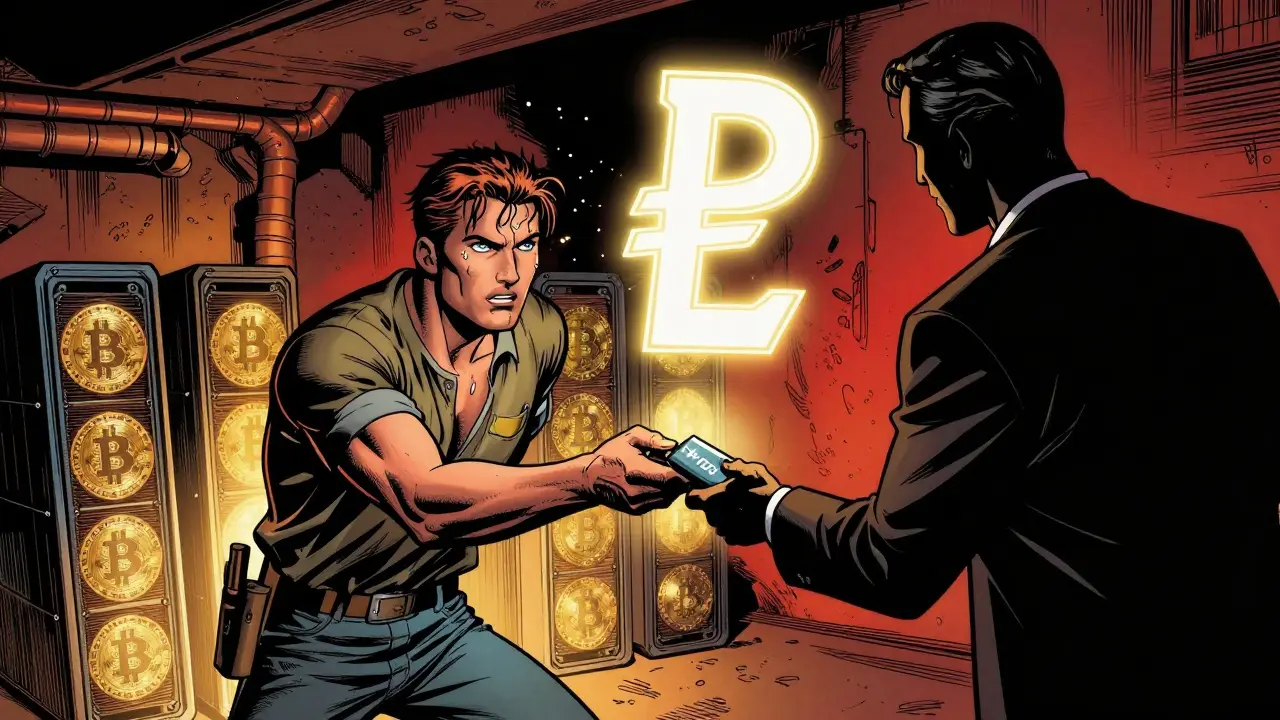
There’s also a hidden layer: blockchain in Iran, the underlying technology enabling decentralized finance and secure transactions outside state control. While the government cracks down on crypto trading, it quietly invests in blockchain for things like customs tracking and land registries. That contradiction tells you everything. They don’t hate the tech—they hate losing control over money. So while you won’t find a legal crypto exchange in Tehran, you’ll find underground P2P markets, Telegram groups trading USDT for cash, and miners running rigs in basements with generators because the grid is unreliable. This isn’t a trend. It’s a response to economic collapse.
If you’re wondering how people get crypto in the first place, it’s mostly through P2P trades. Someone abroad sends Bitcoin to a wallet. A local buyer meets them in person, pays in cash, and the transaction is done. No bank. No trace. No paperwork. It’s risky, yes—but so is keeping savings in a currency that loses 30% of its value in a year. And while the government threatens jail for crypto-related offenses, enforcement is patchy. Most cases target large operators, not everyday users holding a few coins.
What you won’t find in Iran are regulated platforms, fiat on-ramps, or customer support. What you will find are people using the same tools as traders everywhere—just with higher stakes. That’s why the posts below cover non-custodial wallets, crypto in restricted countries, and how people survive when banks won’t help. These aren’t theoretical guides. They’re survival manuals written by people who’ve been there.
Iran regulates cryptocurrency tightly - not to ban it, but to control it. In 2025, mining, trading, and holding crypto come with strict limits, taxes, and surveillance. Here’s what you need to know.
READ MORE