Ripio Crypto Exchange Review: Is It Right for Latin American Traders?
Buying Bitcoin with cash at a corner store in Buenos Aires or paying for groceries with crypto in São Paulo sounds like the future, right? For millions of people in Latin America, it’s already happening. But choosing the right platform to make this happen is tricky. You want low fees, easy local deposits, and safety. Enter Ripio, a cryptocurrency exchange founded in 2013 that specializes in serving the Latin American market by offering localized payment methods and regulatory compliance.
If you’re based in Argentina, Brazil, Mexico, Chile, Colombia, or Uruguay, you’ve likely heard of Ripio. But does it stack up against global giants like Binance or regional rivals like Bitso? I’ve dug into the data, user feedback, and current features as of late 2025 to give you a straight answer. Spoiler alert: It’s fantastic for locals who hate USD conversions, but it might frustrate international users expecting English support.
What Exactly Is Ripio?
Ripio isn’t just an exchange; it’s a financial ecosystem designed specifically for Latin America. Unlike global platforms that treat LATAM as an afterthought, Ripio built its infrastructure around local banking habits. Founded in 2013, it started with a mission to bring financial inclusion to regions where accessing dollars was difficult. Today, it operates in six countries and serves as one of the region's leading on-ramps for digital assets.
The platform offers more than just trading. It includes a wallet, a Visa crypto card, and various financial products powered by their proprietary blockchain, LaChain. This focus on utility means you aren’t just holding coins; you can spend them. The interface is available via web portal, iOS, Android, and even browser extensions for Chrome and Brave. However, here is the first major hurdle: the interface is primarily in Spanish. If you don’t speak Spanish, navigating the documentation and app can be a genuine barrier.
Fees and Trading Costs: Are They Worth It?
Let’s talk money. Everyone wants the lowest fees, but in crypto, "cheap" often comes with hidden costs or poor liquidity. Ripio’s fee structure is straightforward but not the cheapest in the market. For standard buying and selling operations, they charge a flat 0.5% commission. There are no fees for swapping cryptocurrencies within the platform, which is a nice touch for portfolio rebalancing.
If you look at their maker/taker model, maker fees range from 0.00% to 0.25%, while taker fees sit between 0.10% and 0.50%. Compare this to Binance, which offers maker fees as low as 0.016% and taker fees of 0.036%. Yes, Binance is cheaper on paper. But here is the catch: Binance often requires USD deposits or complex conversion routes for local currencies. With Ripio, you deposit Argentine Pesos (ARS), Brazilian Reais (BRL), or Mexican Pesos (MXN) directly. The real-time conversion rate displayed in your local currency saves you from losing money on multiple exchange spreads.
| Feature | Ripio | Binance | Coinbase |
|---|---|---|---|
| Standard Buy/Sell Fee | 0.5% Flat | Variable (often lower) | High spread + fees |
| Maker/Taker Fees | 0.00%-0.25% / 0.10%-0.50% | 0.016% / 0.036% | Varies by volume |
| Local Currency Support | ARS, BRL, MXN, COP, CLP, UYU | Limited (mostly USD/EUR) | Limited |
| Minimum Deposit | ~$0.11 USD (ARS 100) | Varies | Varies |
For a beginner investing small amounts-say, ARS 1,400 (approx. $1.50)-the simplicity outweighs the slight fee premium. You avoid the headache of converting pesos to dollars, then to Bitcoin. That convenience has real value.
Supported Assets and Payment Methods
How many coins can you actually trade? Reports vary slightly because Ripio updates its listings frequently. As of October 2025, technical audits noted support for 54 core cryptocurrencies, including Bitcoin (BTC), Ethereum (ETH), and major stablecoins like USDC. However, Ripio’s marketing claims access to over 1,200 cryptocurrencies, likely through integration with other liquidity providers or newer altcoin listings. Regardless of the exact number, you get the essentials plus a growing selection of memecoins and DeFi tokens.
The real star here is how you fund your account. Ripio integrates deeply with local financial rails:
- Bank Transfers: Direct connections to local banks in supported countries.
- Mercado Pago: A huge plus for Argentine and Brazilian users who prefer this e-wallet.
- Cash Deposits: In Argentina, you can use Rapipago or Pagofacil locations to deposit cash. This is crucial for unbanked populations.
- PIX Payments: Recently integrated for Brazilian users, allowing instant transfers via Brazil’s central bank system.
This localization is why Ripio holds about 18.7% of the Argentine domestic exchange market, according to Statista Q3 2025 data. People trust it because it speaks their language-literally and financially.
Security and Custody: Can You Trust Them?
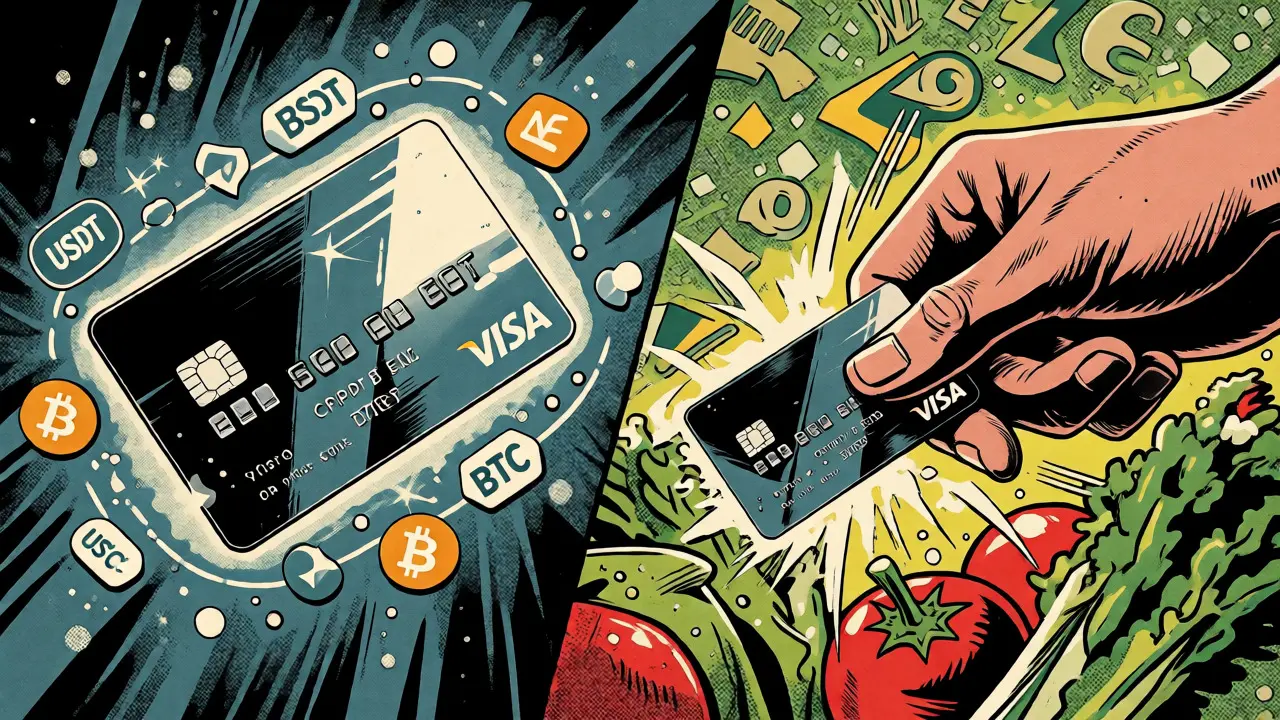
In crypto, "not your keys, not your coins" is the golden rule. But if you leave funds on an exchange, security matters. Ripio employs cold storage for most assets, two-factor authentication (2FA), SSL encryption, and Cloudflare DDoS protection. They also publish Proof of Reserves (PoR), claiming 100% custody of user funds verifiable through blockchain explorers.
While these measures sound robust, history reminds us that exchanges can fail. Ripio hasn’t suffered major hacks recently, but always consider moving long-term holdings to a personal hardware wallet. The platform’s strength lies in its regulatory compliance. They work hard to align with local laws in each jurisdiction, which adds a layer of legal safety net that some offshore exchanges lack.
User Experience and Customer Support
Here is where Ripio gets mixed reviews. On Trustpilot, it holds a 3.9/5 rating based on over 1,200 reviews. Users praise the educational resources and the ease of the initial setup. One Reddit thread on r/CryptoArgentina highlighted the "seamless integration with Mercado Pago," noting that beginners could execute their first transaction within 15-30 minutes of approval.
However, customer support is a pain point. Ripio lacks live chat functionality. Instead, they rely on a chatbot and email help center. During high volatility periods, response times have stretched to 24-48 hours, and some users reported waiting 72 hours for replies regarding failed transactions. If you encounter a critical issue during a market crash, this delay can be stressful.
Also, remember the language barrier. Documentation is exclusively in Spanish. While community-driven English translations exist on GitHub, official support channels do not offer English assistance. If you are an expat in Mexico City who doesn’t speak Spanish, this might be a dealbreaker.
The Ripio Visa Card and Earn Programs
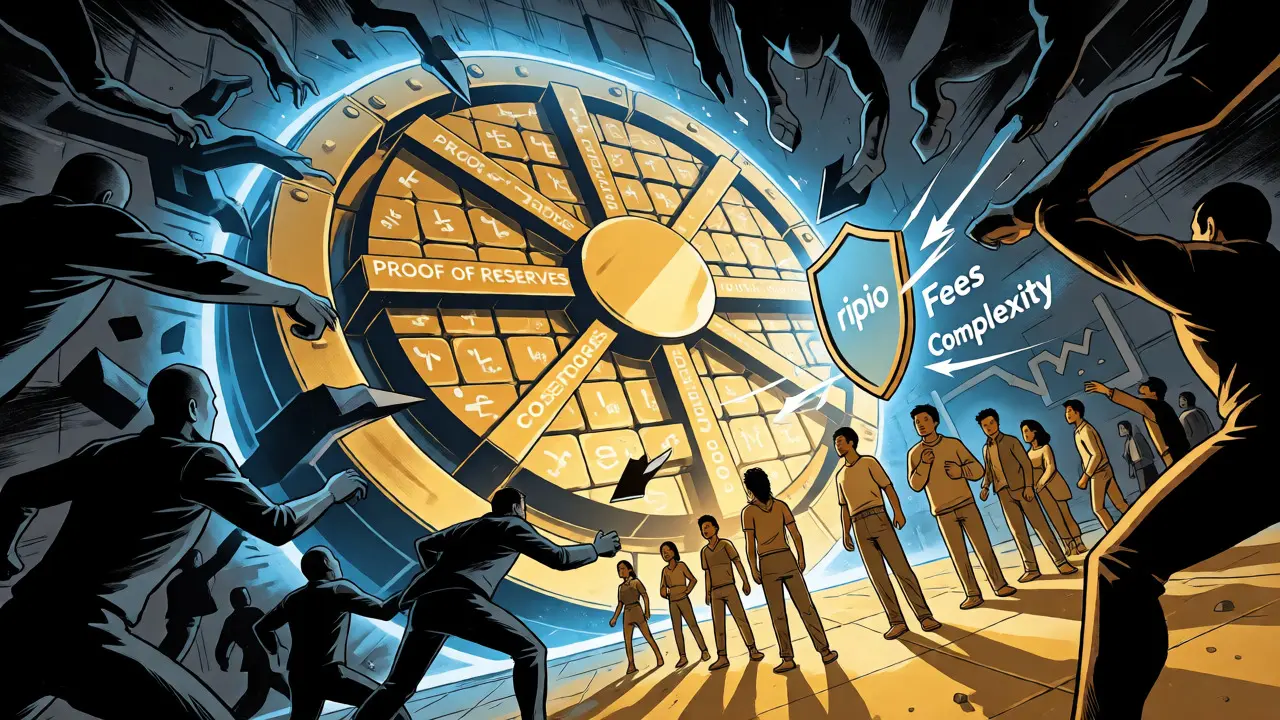
Why choose Ripio over Bitso or Binance? Often, it’s the extra perks. The Ripio Visa Crypto Card allows you to spend your crypto balance anywhere Visa is accepted. You earn cashback in USDT, BTC, or ETH when using the card. This turns crypto from a speculative asset into actual spending power.
They also offer 'Earn' programs, providing automatic yields on certain altcoins. Daily returns range from 0.02% to 0.08%. It’s not massive, but it beats leaving idle funds in a wallet. These features position Ripio as a lifestyle brand for crypto users in LATAM, not just a trading venue.
Who Should Use Ripio?
Ripio is ideal for:
- Latin American Residents: Especially those in Argentina, Brazil, or Mexico who want local currency deposits.
- Beginners: The educational content and simple UI reduce the learning curve.
- Unbanked Users: Those who need cash deposit options via Rapipago/Pagofacil.
- Spenders: Users who want to use the Visa card for daily purchases.
You should probably skip Ripio if:
- You Don’t Speak Spanish: The lack of English support is significant.
- You Want Lowest Possible Fees: Binance or Bybit will beat Ripio on pure trading costs.
- You Need Live Chat: Support delays can be frustrating.
- You Are Outside LATAM: Services are unavailable in the US, Spain, and most non-Latin markets.
Final Verdict
Ripio is a specialized tool, not a universal hammer. It excels at solving specific problems for Latin Americans: converting local fiat to crypto easily, spending crypto locally, and complying with regional regulations. Its higher fees are the price paid for this convenience and localization. If you fit the demographic, it’s a solid, trustworthy choice. If you are a global trader looking for the absolute best rates and English support, look elsewhere.
Is Ripio safe to use?
Yes, Ripio uses industry-standard security measures including cold storage, 2FA, and SSL encryption. They also provide Proof of Reserves. However, as with any centralized exchange, it is recommended to move large long-term holdings to a personal hardware wallet.
Does Ripio support English?
No, the primary interface and official documentation are in Spanish. While some community translations exist, there is no official English support team or interface, which can be a barrier for non-Spanish speakers.
What are the minimum deposit requirements?
The minimum deposit is very low, starting at ARS 100 (approximately $0.11 USD). Minimum order amounts for buying crypto are around ARS 1,400, making it accessible for small investors.
Can I use Ripio outside of Latin America?
Generally, no. Ripio focuses its services on Argentina, Brazil, Mexico, Colombia, Chile, and Uruguay. Users in the United States, Europe, or Asia typically cannot register or verify accounts due to geographic restrictions.
How fast is customer support?
Support is handled via chatbot and email. Response times vary but average 24-48 hours. During periods of high market volatility, users have reported delays up to 72 hours. There is currently no live chat feature.