Bitladon Crypto Exchange Review: Status, Fees & BCM Rebrand
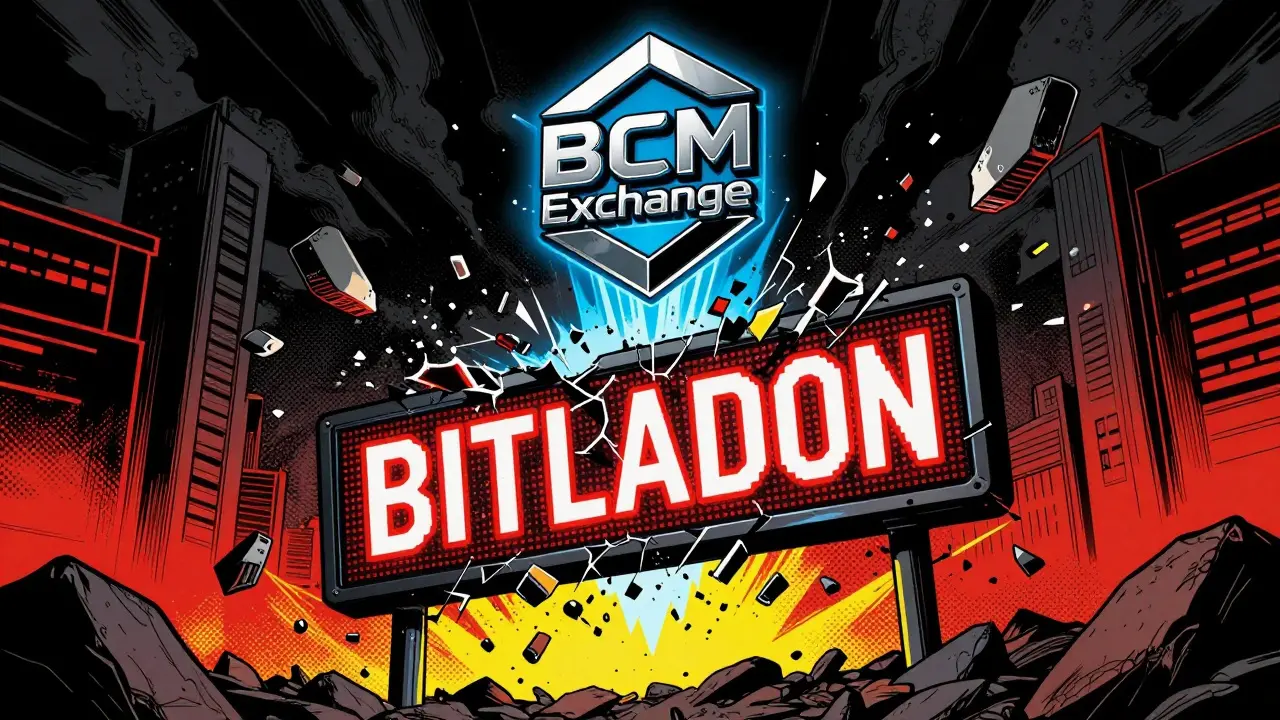
So, you’re looking for a Bitladon review? Here is the catch: that brand no longer exists. If you are trying to sign up or trade on Bitladon today, you will hit a dead end. The platform shut down its original identity and rebranded as BCM Exchange back in February 2023.
This might be confusing if you found an old guide online praising their interface or fee structure. You aren’t imagining things-Bitladon was once a popular spot for European traders. But right now, it is effectively part of the "Exchange Graveyard." To help you navigate this, we need to look at what happened to the company, why they changed names, and whether their successor, BCM Exchange, is worth your attention.
The Short Story: What Happened to Bitladon?
Let’s clear up the timeline first. Bitladon launched around mid-2017 (sources vary slightly between June and August). It was headquartered in Aalsmeer, Netherlands, operated by Coin Meester B.V., owned by Boyd Meuleman and Mitchell Zandwijken. For years, it was a go-to spot for people who wanted to buy crypto without dealing with complex tech jargon.
Then, on February 1, 2023, the switch flipped. The site went dark under the Bitladon name and resurrected as BCM Exchange. Industry trackers like Cryptowisser officially marked Bitladon as "dead" and moved it to their graveyard list. This wasn’t a bankruptcy or a hack; it was a strategic pivot. In the world of crypto regulation, especially in Europe, brands often rebrand to tighten compliance or shift focus. So, if you have an old account, it likely migrated over. If you are new, you need to look at BCM instead.
How Bitladon Worked (Before It Vanished)
To understand if the new BCM Exchange is any good, we should look at what made Bitladon tick. It wasn’t trying to be a high-frequency trading terminal for Wall Street pros. It was built for regular folks.
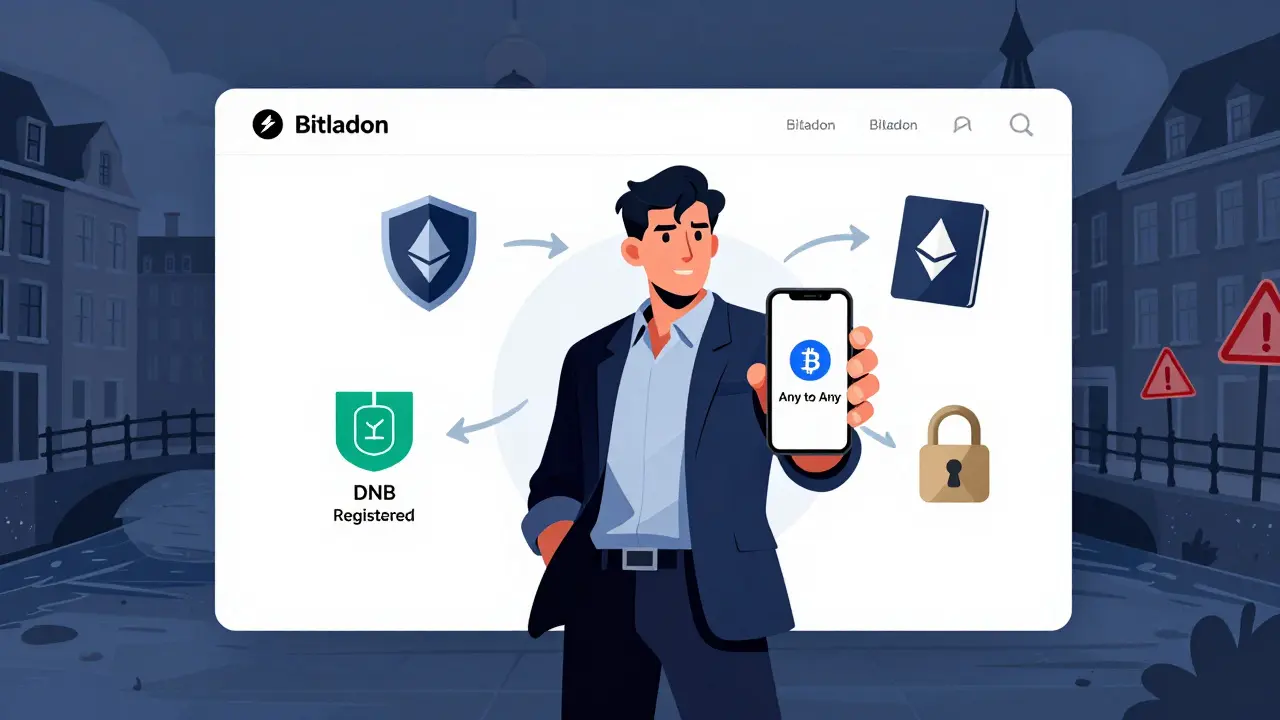
The core selling point was simplicity. They marketed themselves as a user-friendly cryptocurrency broker. You didn’t need to know how to set up a cold wallet or read candlestick charts. Their "Any to Any" feature was a standout. Think of it like a built-in swap tool. You could trade Bitcoin directly for Ethereum, or even obscure coins like PundiX or Storj, without converting to Euros first. This saved you from paying double fees-one to sell, one to buy.
They supported over 200 cryptocurrencies at their peak. That’s a decent selection for someone who wants exposure beyond just Bitcoin and Ethereum. They also handled all storage internally. You didn’t need third-party software. For a beginner, that sounded convenient. For a security expert, it raised eyebrows because you weren’t holding your own keys.
Fees and Limits: Was It Worth the Cost?
When Bitladon was active, their pricing was competitive for the European market. Let’s break down the numbers so you can compare them to current options.
| Feature | Bitladon Policy | Industry Average |
|---|---|---|
| Trading Fee | 2.00% (standard) down to 0.25% (VIP) | 0.1% - 0.5% |
| Deposit Fees | Free | Varies (often free for bank transfer) |
| Withdrawal Fees | Free (network fees apply) | Fixed fee + network costs |
| Minimum Purchase | €9 per coin | $10 - $50 |
| Weekly Limit (Verified) | €100,000 | Often lower for basic KYC |
That 2% starting fee looks steep compared to giants like Binance or Kraken, which often charge under 0.1%. However, Bitladon targeted non-traders. If you were buying €100 worth of crypto once a month, the difference between 0.1% and 2% is negligible in absolute terms. The VIP program helped heavy traders bring that cost down to 0.25%, which is much more reasonable. Plus, zero deposit and withdrawal fees was a nice perk, provided you didn’t mind waiting for network confirmations.
Security and Regulation: The Dutch Connection
One of Bitladon’s biggest strengths was its regulatory stance. They were registered with the Dutch Central Bank (DNB). This isn’t just a badge of honor; it means they had to follow strict anti-money laundering (AML) rules. For users, this translated to rigorous KYC (Know Your Customer) checks.
You couldn’t just hop on anonymously. You needed:
- Identity verification (passport/ID)
- Proof of residence
- Mobile phone number verification
- A selfie with your passport
Sounds like a hassle? Yes. But it kept the platform clean. During its operational life, there were no reported major security breaches. They used two-factor authentication via Google Authenticator and email codes. Your funds were safe from external hackers, but remember: custodial exchanges mean *they* hold the keys. If the company goes under, your access depends on their cooperation.
User Experience: Pros and Cons
If you walked through Bitladon’s doors, here is what you would feel:
The Good:
- Speed: Euro deposits and withdrawals were fast, especially using local methods like iDEAL, Bancontact, and SOFORT. Same-day IBAN transfers were common.
- Support: Real humans answered phones and chats during business hours (09:00-17:00 CET). Email responses usually came within an hour.
- Design: Minimalist and clean. No cluttered dashboards confusing you with order books.
The Bad:
- No Weekend Support: Crypto never sleeps, but Bitladon did. Weekends meant silence from support.
- US Ban: If you lived in the United States, you were locked out completely. They focused exclusively on Europe to manage regulatory risk.
- High Entry Fee: That 2% standard fee hurt casual traders who didn’t qualify for VIP status.
Is BCM Exchange the New Bitladon?
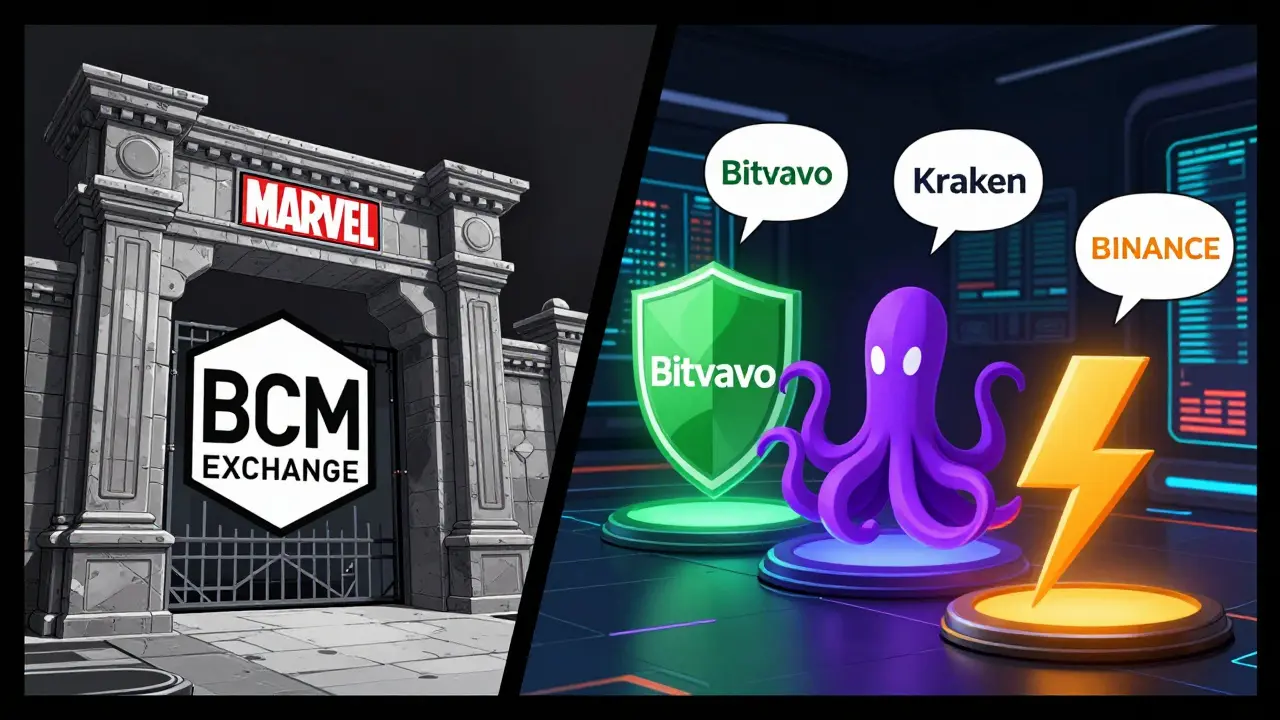
Since Bitladon died in 2023, the logical question is: does BCM Exchange carry the torch? BCM Exchange operates on similar principles-European focus, regulated environment, user-friendly interface. However, reviews suggest a slight shift in tone. While Bitladon felt like a helpful boutique broker, BCM feels more institutional.
If you were a loyal Bitladon user, your account likely transferred over seamlessly. But if you are new, treat BCM as a separate entity. Check their current fee schedule, as it may differ from the old Bitladon rates. Look for updated KYC requirements, as EU regulations have tightened further since 2023.
Alternatives to Consider Today
If you are not comfortable jumping into the unknown of BCM Exchange, or if you want better fees, consider these alternatives that serve the European market well:
- Binance: Lower fees, massive liquidity, but stricter KYC and occasional regulatory friction in some EU countries.
- Kraken: Excellent reputation for security, transparent about reserves, good for both beginners and advanced traders.
- Coinbase: Very user-friendly, heavily regulated, but higher fees than most competitors.
- Bitvavo: A Dutch competitor that offers a very similar experience to what Bitladon promised-local payments, low fees, and strong EU compliance.
Bitvavo, in particular, captures the spirit of Bitladon. It is Dutch-based, supports iDEAL, and has a clean interface. If you missed Bitladon’s simplicity, Bitvavo might be your spiritual successor.
Final Verdict: Should You Care About Bitladon?
Only if you are stuck in the past. As of May 2026, Bitladon is history. Do not try to find customer support for it. Do not expect to log in with an old Bitladon username unless it has been migrated to BCM. If you are looking for a reliable, regulated European exchange, look at BCM Exchange or switch to a proven alternative like Bitvavo or Kraken. The lesson here is simple: in crypto, brands change fast. Always verify the current status before sending money.
Is Bitladon still operating in 2026?
No. Bitladon ceased operations under that name on February 1, 2023, and rebranded as BCM Exchange. The Bitladon website is no longer active for new registrations.
Can I recover my Bitladon account?
If you had an account before 2023, it was likely migrated to BCM Exchange. You should try logging in with your old credentials on the BCM Exchange platform. If that fails, contact BCM support directly.
Why did Bitladon change its name?
The rebranding to BCM Exchange was a strategic move, likely driven by evolving regulatory requirements in the Netherlands and broader EU compliance standards. It allowed the company to continue operations under a fresh legal and brand framework.
Was Bitladon safe for US residents?
No, Bitladon explicitly excluded US citizens and residents due to regulatory differences. They focused solely on the European market to comply with Dutch and EU laws.
What are the best alternatives to Bitladon for European users?
Top alternatives include Bitvavo (Dutch-based, similar user experience), Kraken (high security, global reach), and Binance (large variety, lower fees). All offer robust European payment methods like SEPA and iDEAL.
Did Bitladon suffer any hacks?
During its operational period from 2017 to 2023, there were no publicly reported major security breaches or hacks involving Bitladon.