RWA Tokenization: Real-World Assets on Blockchain Explained
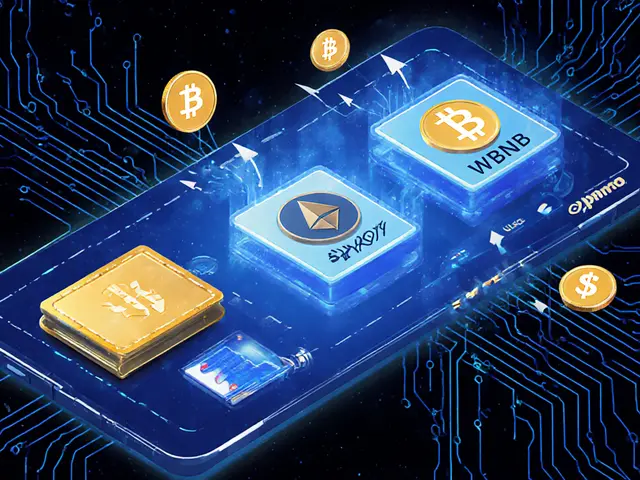
When you hear RWA tokenization, the process of turning physical assets like real estate, bonds, or commodities into digital tokens on a blockchain. Also known as tokenized real-world assets, it’s not science fiction—it’s already happening in banks, hedge funds, and regulated crypto platforms. Think of it like owning a slice of a building or a government bond, but instead of paper deeds or brokerage statements, you hold a digital token that proves your claim. This isn’t just about making assets easier to trade—it’s about unlocking liquidity for things that used to be locked up for decades.
RWA tokenization connects directly to tokenized real estate, a subset where property ownership is divided into digital shares, and asset-backed crypto, tokens whose value is tied directly to physical collateral like gold, oil, or invoices. These aren’t speculative memecoins. They’re built on compliance, audits, and real cash flows. Countries like Singapore and Switzerland are already testing frameworks for this. Even traditional Wall Street firms are quietly buying into platforms that tokenize commercial real estate or private credit. The goal? To make $237 trillion in global illiquid assets accessible to everyday investors—without the middlemen.
But it’s not all smooth sailing. For RWA tokenization to work, you need trusted custodians, legal clarity, and transparent reporting. That’s why most serious projects tie tokens to regulated entities—banks, licensed fund managers, or government-backed issuers. You won’t find this on decentralized exchanges with anonymous teams. You’ll find it in partnerships between blockchain startups and legacy financial institutions. And that’s exactly why the posts below matter. They don’t just talk about the tech—they show you who’s doing it right, what the regulations look like in 2025, and which projects have real backing versus empty promises. What follows isn’t hype. It’s a real-world checklist for anyone trying to separate signal from noise in this fast-moving space.
Real world asset tokenization turns physical assets like real estate, gold, and art into digital tokens on a blockchain, letting anyone buy fractional ownership. It unlocks liquidity, global access, and lower costs - but comes with regulatory and technical risks.
READ MORE